

Prime One Logo
  • Who We Are
    • Our Story
    • The Team
    • Insights
    • Community
    • Join Us
  • What We Do
    • Performance Marketing
      • PPC Campaign Management
      • Experiential Marketing
    • Business Intelligence
      • Digital Marketing Strategy
      • Page Speed Optimization
      • Conversion Rate Optimization
    • Search Engine Optimization
      • Enterprise SEO
      • Link Building
      • Local SEO
      • Link Removal
  • Digital SQUAD
  • Clients & Results
  • Partners
HELP
  • Who We Are
    • Our Story
    • The Team
    • Insights
    • Community
    • Join Us
  • What We Do
    • Performance Marketing
      • PPC Campaign Management
      • Experiential Marketing
    • Business Intelligence
      • Digital Marketing Strategy
      • Page Speed Optimization
      • Conversion Rate Optimization
    • Search Engine Optimization
      • Enterprise SEO
      • Link Building
      • Local SEO
      • Link Removal
  • Digital SQUAD
  • Clients & Results
  • Partners
  • Who We Are
    • Our Story
    • The Team
    • Insights
    • Community
    • Join Us
  • What We Do
    • Performance Marketing
      • PPC Campaign Management
      • Experiential Marketing
    • Business Intelligence
      • Digital Marketing Strategy
      • Page Speed Optimization
      • Conversion Rate Optimization
    • Search Engine Optimization
      • Enterprise SEO
      • Link Building
      • Local SEO
      • Link Removal
  • Digital SQUAD
  • Clients & Results
  • Partners
content marketing
Home Archive by Category "content marketing"

Category: content marketing

20 Juncontent marketingContent Marketing Trends

Content Distribution Playbook: How to Amplify Every Piece of Content Across 8+ Channels

Picture of Usha Dharshini

Usha Dharshini

Millions of pieces of content all around the web are published each week that are forgotten about. Why? 

Because they weren’t compelling stories or, they lacked the skill of a trained professional. Nobody saw them! 

We’ve all been there. You’ve invested all your time and energy into a well-researched piece, rewrote the title three different ways and finally published it. But nothing comes back. Maybe a few views or likes from your existing followers, and that’s it. 

It’s not a content problem. It’s a distribution problem!

Most creators spend 90% of their time on creating and 10% of their time on getting their content into circulation around the world. It doesn’t end when you hit publish since publishing is the start of your strategy to share your content with the world!

You write your piece, publish it and then wait for people to respond.

One common mistake is to spend precious hours writing an excellent piece of content and putting very little effort into getting it out into the world. Excellent content does not distribute itself. It requires a systematic approach to follow through and a strategy to share your content to as many people as possible. 

This Guide will take you through the necessary steps of how to efficiently share one piece of content through eight channels!  No fluff or uncertainty & just a straightforward, concrete process you can implement even tomorrow!

✅ Why Distribution Matters More Than Creation

It is an uncomfortable truth that a poor-quality piece of content that is well-distributed will always outperform a high-quality piece of content that no one sees. 

Most content creators spend 90% of their time creating, and 10% of their time promoting. That ratio should be reversed. At least be more balanced between the two. After you publish a piece of content, you are only halfway done with the job.

Distributing your content is how you get the most out of it. One blog post can be re-distributed into several other formats, including a tweet thread, a LinkedIn update, an email newsletter, a short video, a podcast episode and a Pinterest pin, etc. The same idea can be distributed to different audiences in various ways.

This process is called content repurposing, and is one of the foundational elements of a successful distribution strategy for your content.

👉 Step 1: Start With a Content Pillar

The first step in distributing content is to create a piece of content that can be used as a basis for other content. 

This can be referred to as a ‘content pillar.’ 

A content pillar is an extensive, detailed piece of content that can be classified as a long-form blog, a complete guide, an essay in video format, or a podcast episode. The content pillar serves as a complete resource for a given subject area and takes a considerable amount of time to create. However, this content will ultimately serve as source material for all other pieces of content created.

To visualize a content pillar, think of a tree; the content pillar is the trunk of the tree. All other pieces of content, such as tweets, reels, emails, and carousels would be branches of that tree.

This method saves time by not requiring each new piece of content to be created from scratch, but instead uses the same piece of content in a different format. Because the original piece of content is being used to create multiple pieces of content, and the content will use the same messaging throughout each channel.


✅ Here are the 8 key channels you can use to distribute a single piece of content and maximize its reach across multiple platforms.

👉 Channel 1: Your Blog or Website

Start with your website. Your pillar content has to be on your website first.

Why? You own your website. The algorithms for social media could change in a day, or an email service could go down. But you own your own website.

Be sure to properly optimize your blog post by: ensuring you’re using a compelling headline; utilizing subheadings to break up text; internally linking to other blog posts from your blog post; and including a call to action (CTA) at the end of your post, these little things can have a huge impact on generating search traffic over a long period of time.

When you publish a complete version here and distribute your complete version elsewhere, you will allow Google to properly index your post. You should wait a few days, allowing Google to index your content before working on the distribution process.

👉 Channel 2: Email Newsletter

Your email list is the most important avenue you have. People provided their email addresses for a reason. They wish to hear from you.

Never send just a link to a blog post, as that is very lazy. Always provide something additional for your subscribers.

Create a short email summarising the major ideas of an article. Provide a personal commentary or experience not part of the article. Connect to the full article from your blog for people who would like to learn more.

This method is respectful of their time and gives people an added reason to remain subscribed. You are providing another layer of content, not just republishing the same.

Send within two days of publication to take advantage of the freshness of the topic.

👉 Channel 3: LinkedIn

Currently, one of the organic platforms with the highest reach is LinkedIn. Just because it is organic does not mean you cannot get thousands of people to see your post without spending money on it.

Use your blog post as an inspiration to create a LinkedIn native post from scratch. Do not copy and paste your entire article! Create a post that stands on its own while communicating your key message.

The first line needs to grab people’s attention and make them stop scrolling through the feed. After that, develop the insight into shorter paragraphs with line breaks. Keep the sentences short and succinct.

Finish off with a question or takeaway. Use this as an opportunity to engage with your audience by asking for their input. If they comment on your post, this will encourage the LinkedIn algorithm to share your post with more people.

You can also use LinkedIn articles if you want to share long-form content; however, shorter posts are typically more effective with most audiences.

👉 Channel 4: Twitter or X

On Twitter, speed and sharpness are rewarded. Long-form writing has a short life here. Shorter, punchier lines have a longer life here.

Take one of the ideas from your blog post and create a tweet thread about it. Tweet threads are groups of connected tweets that work together.

Begin with a hook tweet that suggests value to the reader. Example: “The majority of people have no idea how to distribute their content properly. I have a playbook for you that will be a game-changer. Thread.”

Write out the idea in 8 to 12 individual tweets. Each tweet should be able to stand alone, but also tie into the next. Finally, end the series with a link back to your blog post.

Tweet threads generally get more engagement than standalone tweets. They receive more bookmarks, more shares, and more profile visits.

👉 Channel 5: Instagram

Instagram is all about visual engagement, so when you use this platform, you need to think in terms of visuals.

You can turn your blog post into a carousel (groups of slides that users swipe to see). The content of each slide should be one key point from your article.

Make sure the text is brief on each slide with a large font so that it can be read easily on the user’s phone display. The hook is the first slide, and the last slide is your call to action.

Another way to use Instagram to promote your article would be to create a quote graphic that showcases a key statement from your article. Incorporate your brand colors and logo into the graphic and post it as one single image with a caption that amplifies the idea behind the visual.

Instagram Reels can also be very impactful. Create a short (30-60 seconds) video to discuss the top 3 things the user can take away from your article: short, to the point and helpful!

👉 Channel 6: YouTube or Short Video

The fastest-growing content format is video. And if you’re not making videos yet, now is the time! You don’t need a professional production studio to make video content; you can use your smartphones and good lighting! It’s just that simple to start making videos!

Take your blog post and create a quick video version! You’re going to want to walk through the main points, making sure each video is less than five minutes long for YouTube, and less than 90 seconds long for TikTok & Instagram Reels.

When recording your videos, make sure you speak naturally, and read over the main points from your blog post, but don’t recite your blog post verbatim, instead pretend that you are telling your friend about what the blog post is about!

Make sure to add captions to every video you create. Many people will watch videos muted, and adding captions is helpful to keep them engaged in the content.

Another great benefit of producing short-form video content is how easy it is to repurpose! You can take one 60-sec video, and use it at the same time on TikTok, Instagram Reels, YouTube shorts & LinkedIn video!

👉 Channel 7: Pinterest

Pinterest is an overlooked platform for distributing content today. Many people have forgotten about Pinterest, which is a shame because of the lost opportunity.

Pinterest works similarly to a search engine, where people are searching for ideas on specific subjects as well as topics. If someone finds your content via Pinterest, they will come to your site potentially for months or years if they are regularly searching that topic/keyword.

Make a simple graphic for your blog post that is in a vertical layout (vertical layout is the best performing layout on Pinterest). Add the title of your article on the pin as the text (add appropriate keywords) and have it link directly back to your blog post.

How-to articles, listicles, educational articles and visual types of content perform extremely well on Pinterest. If you write how-to articles, listicles, or educational articles that are visual in nature, create a pin for these types of posts.

There is no need to spend longer than 10 minutes creating a pin. You simply need to create a quick and clean pin (example: no clutter in the image).

Bonus Channel: Podcast Repurposing

If you have a Podcast or are a guest on one, this channel adds a serious amount of mileage to your content.

Create a brief audio commentary regarding your blog article. Discuss the main concept. Provide details about why you wrote it. This may be a podcast episode, a YouTube Video, or simply an audio file that can be shared through social media.

Most importantly, you can reach out to Podcast hosts and pitch yourself to be a guest on their relevant show. Use your blog article as the basis for your discussion. Those who regularly appear as guests on Podcasts will grow their audience exponentially faster than those who only produce written material.

The Distribution Schedule

Here is how to put this all together in a simple schedule.

Day 1: Publish the blog post. Send the email newsletter.

Day 2: Post on LinkedIn. Publish the Twitter thread.

Day 3: Post the Instagram carousel. Upload the short video to YouTube Shorts, TikTok, and Reels.

Day 4: Create and upload the Pinterest pin. Share in one or two online communities.

Day 7: Reshare the LinkedIn post with a slightly different angle. Reply to all comments from the week.

Day 14: Check analytics. See which channel drove the most engagement. Double down on that channel next time.

This schedule keeps your content visible for two full weeks after publishing. Most people move on after day one. You will not.

✅ Track What Works

Tracking is essential to learn what’s working for you. Use basic analytics to see where your traffic originates (website analytics). Assess engagement rates on each platform (how many likes, etc.). See what formats received the most number of saves, shares, comments, etc.

After you do this for several months, you will see a pattern begin to emerge. You may discover that your LinkedIn posts have a lot of people viewing them, but traffic from Pinterest is significantly better than traffic via email.

This type of data will help you identify your top-performing channels so you can concentrate on those when planning future content. You will necessarily have to be active across all channels as you were previously through eternity! Focus your efforts solely on three (3) of these best-performing channels for now.

✅ The Mindset Shift

Your most significant transition isn’t tactical but rather psychological. There’s no longer a distinction between creating and distributing content; this is now a singular operation. 

When you write a post, you should be considering at least eight additional pieces of content to produce from a single post. By adopting this perspective, you are becoming much more intentional and comprehensive with your writing. 

When you write or develop any piece of content, you’ll write with a planned distribution strategy in mind, your writing will include a quote or two, you will structure your writing for social media, and you’ll think about how to create a strong hook for potential videos.

Creating good content is one thing. However, creating great quality content for distribution through a variety of channels on social media will ensure maximum exposure for your great quality content.

✅ Conclusion

The issue isn’t creating additional content, but a matter of getting adequate exposure.

Go back through your previous 5 articles and run them through this playbook and see how many additional people see them. Many are surprised by the amount of increased reach from their earlier work.

Choose a single channel where you will begin to attempt to build a reputation or else the content of your content. Once you have mastered that then consider the next channels you wish to pursue. In about 90 days, this will allow you to create a distribution process that will run while you sleep.

The content is in place. Get it out there!

FAQs

Do I really need to distribute my content across all 8 channels?

No. Start with two or three channels that suit your audience best. Master those first. Then add more as you grow. Your analytics will tell you where to focus.

How much extra time does content distribution actually take?

Less than you think. A LinkedIn post takes 15 minutes. A tweet thread takes 20 minutes. A Pinterest pin takes under 10 minutes. Spread across two weeks, it adds roughly 2 to 3 hours per piece of content.

What if I am not comfortable on video?

Skip it for now. But do not avoid it forever. A smartphone and good lighting are all you need to start. Even a 60-second video can reach more people than a full blog post.

How do I repurpose the same content without it feeling repetitive?

Change the format and the angle for each platform. Your LinkedIn post covers one big idea. Your carousel shows three quick tips. Most of your audience is not following you everywhere. So it is reach, not repetition.

How long before I see real results?

Expect 60 to 90 days of consistent effort before you notice a real difference. Distribution compounds over time. Stay consistent and results will follow.

If you had to pick just one channel from this playbook to start with tomorrow, which one would it be? Try it with your next post and come back to tell us how it went. 

6a6334647d504702e32434ee3392cacfac600c4f0dd8550186bd6e11f78adcd8?s=96&d=mm&r=g

Usha Dharshini

Usha Dharshini is a Digital Research and Content Associate with a strong passion for transforming complex information into clear, engaging, and impactful content. She specializes in digital research, content development, and trend analysis, helping audiences better understand evolving topics across industries. With a keen eye for detail and a commitment to accuracy, Usha Dharshini focuses on delivering well-researched, insightful, and reader-friendly articles. Her work reflects a blend of analytical thinking and creative storytelling, aimed at informing, educating, and inspiring readers in the digital space.

All Posts

Share this article:

Read More
28 MayAI SEOcontent marketing

How to Get Your Content Featured with AI-Generated Answers?

Picture of Abirika

Abirika

AI-generated answers are rapidly taking the place of the standard search approach to learning about information online. Users are getting answers straight from the source through Google AI Overviews, ChatGPT-assistants, voice search responses and other large language models (LLMs). So, there is no need for users to visit a number of web pages to obtain their answers.

As the change happens, one of the new challenges for content creators, marketers, and businesses is how to make sure that their content is cited, referenced, or included in AI-generated answers.

This blog explores this in greater detail: What are the things that decide the content that AI systems select, and how can you optimize your content to get featured in the  AI-generated answers?

Content Optimization for AI-Generated Answers Visibility

Let’s now focus our attention on some strategies that you can use to improve the chances of your content getting featured in the AI-generated answers.

ai-generated-answers
1️⃣  Develop a Strong Topical Authority

anOne of the most important factors for AI-generated answers is topical authority. Instead of posting any and all content, develop an area of niche for your brand content so that you can be a trusted source for a particular niche. AI systems search for knowledge patterns, and they’re more likely to trust sites with a predictable structure of linked articles that center on a particular subject.

For example, if your brand is an expert in AI SEO, content optimization, and search visibility, along with these topics, you can also publish content on the subtopics of GEO (Generative Engine Optimization), semantic SEO, content structuring, and AI citation behaviours in your website. This builds a content ecosystem that further strengthens each piece of content you publish on your website, enabling AI to see your site as an authority.

Another important aspect of topical authority is internal linking. Articles should be logically linked with each other, and lead the users and AI systems through your knowledge structure. In addition, publishing simple to complex topics will help to create the impression of being knowledgeable, not just superficial, as it will seem that you have more in-depth knowledge in the niche.

AI systems like consistency, depth, and specialization of their sources. The trust is not so easily gained for a general website with various and unrelated topics. On the other hand, AI will easily understand, categorize and refer to niche-specific content ecosystems. The backbone of visibility in AI-powered search algorithms and AI-generated answers is topical authority.

2️⃣ Follow the Answer-First Method

AI systems are directed towards content that gives rapid responses. Answer-first is a format where the important points are stated at the beginning of the content with detailed explanations following afterwards. This will improve human comprehension and AI content extraction capability.

Traditional writing will begin with a long intro, background information or story elaboration and then get around to the point. However, AI models are designed to provide direct and short AI-generated answers. When the information in your content is long, it becomes hard for AI systems to sum up or quote the answer.

The answer-first format starts with a clear statement that directly answers the user’s question. Then, additional explanations, examples and supporting arguments are provided. This multi-layered strategy ensures a clear and yet deepened presentation.

Instead of a long introduction, for example, to what AI SEO is, you can start with a nice, concise definition and build up from there. This simplifies it for AI systems to come up with a clean and usable snippet for the AI-generated answers.

An additional significant factor to get picked by AI systems is the use of short paragraphs, bullets and well-labelled sections. The goal is to reduce ambiguity and to immediately put the key points at hand. Stylistic variety is less important than clarity when it comes to AI-powered search, and answer-first writing will ensure that your content becomes more relevant to AI systems.

3️⃣ Write for Conversational and Natural Language Queries

Modern users are asking full questions to AI as opposed to phrases or keywords. Rather than asking for “AI SEO tips,” they ask, “How can I enhance the visibility of my content in AI search results?” The transformation calls for content that’s not made with the same traditional structure as a keyword, but rather for the user’s conversational intent.

Incorporating question-based headings, FAQ sections, and long tail phrases into your content will help you achieve conversational keywords. This allows AI systems to link the user’s query to the appropriate content section on your website.

Additionally, it is important to write in a natural and human voice. If content is too robotic or stuffed with keywords, it’s less likely to be selected by AI systems. Rather, AI systems choose content that discusses in a clear and simple manner, as people speak and ask questions.

FAQ sections work very well as they are comparable to the type of questions asked by the AI search users. The question-answer pair serves as an independent information unit, allowing for easy extraction and reuse in AI-generated answers.

Also, by predicting the next questions and adding them to your FAQ, enhance your brand’s AI visibility. Because, after asking the question “How do I improve AI SEO?”, users can also submit subsequent queries like: “What tools help optimize for AI search?” or “How long does it take to see results?”

Therefore, this alignment of conversation will make your content relevant to a wider variety of AI-generated prompts, thus enhancing the chances of it being cited in AI-generated answers.

4️⃣ Enhance E-E-A-T Signals (Experience, Expertise, Authority and Trust)

E-E-A-T is a trust model that is an important part of content quality assessment by AI systems. AI models seek out sources with legitimate knowledge, proven experience, and expertise in a subject.

The publisher should be clearly named in the content. Adding a content creator biography, along with appropriate qualifications, can add credibility to content and enhance E-E-A-T. This trust is further extended through documented results, real-life experiences or case studies.

Reliable and authoritative sources are also needed to be referenced. AI systems are more inclined to trust the information if it is backed up by reliable data or trusted sources. This helps to eliminate ambiguity and boost confidence in the information shared.

Regular updates of content are also a key factor. If it is not updated often, it is indicative of neglect, and if it is updated often, it is indicative of continuous expertise and relevance. AI systems are more likely to favour fresh, accurate information, as opposed to static pages.

Trust has become one of the top-ranking factors in an AI-driven search environment. If the content is well written but does not have credibility signals, it may not be selected, even if it is of high quality. Therefore, it isn’t possible to simply pick and choose which of these elements to use; it is essential that all of them are utilized in order to remain visible in AI-generated answers.

enhance E-E-A-T-signals
5️⃣ Use Structured Data and Semantic Markup

Structured data provides a clear and precise context for your content, making it easier for AI systems to understand. Schema markup adds machine-readable context that is usually missing from your content created using natural language.

For instance, Article schema can be used to recognize blog posts, FAQ schema can be used to recognize question/answer sections, and Organization schema can be used to define brand identity. This organized clarity enhances the classification and retrieval of your content by AI systems.

Structured data adds many benefits, and one of the key benefits is adding increased contextual understanding. AI systems can easily and accurately categorize the content of your page without making any mistakes. This makes it more likely that the citations will be accurate in AI-generated answers created by AI systems.

Furthermore, structured data improves the indexability and visibility in search engines. It serves as a link between the human-readable data and machine-readable interpretation, crucial in the era of AI technology.

Semantic SEO is also a complement to structured data because it does not rely on keywords; it relies on meaning. Natural usage of similar terms and linking ideas through context improves the ability of AI systems to grasp relationships between topics.

Structured data and semantic optimization collectively form a more understandable and interpretable content layer, leading to a substantial enhancement in the discoverability of AI.

6️⃣ Create Original Research and Data-Driven Content

One of the best methods to draw attention within AI-generated answers is to utilize original research. AI systems value unique, first-hand information over repetitive or easily available information.

Content like surveys, case studies, industry benchmarks, and proprietary data reports greatly boost authority. AI systems are more likely to cite your content as their primary source when you give them information that isn’t found in other sources.

Original research can also drive up backlink potential and external citations, boosting authority signals. This creates a good reputation for the content that can be identified over time as trustworthy and valuable.

Any original thought, no matter how minor, can have an impact. For instance, examining your own website data or sharing experimental effects of campaigns can place your content as uncommon.

Originality and usefulness are the key points! Original sources are used to add depth to responses, and AI systems use those sources to form AI-generated answers that synthesize existing knowledge. You can boost the chances of being cited in AI -generated answers by providing new data.

7️⃣ Enhance the Brand's presence on the Web

AI systems don’t just look at your website; they look at your entire digital footprint. With your brand mentions across various platforms, brand recognition will increase, and it will build trust and visibility.

Having a robust presence on social media, forums, podcasts, guest articles and community discussions is the hallmark of a strong brand. Every brand mention builds trust and indicates that your brand is alive and known.

Guest posts on well-known sites are especially beneficial as they link your brand to trusted sources of authority. Likewise, podcasts and interviews build up credibility.

Being visible through online communities. AI systems start to correlate your brand as an expert in the discussion topic when it continuously appears in it.

Over the years, this has created a unified digital footprint. Your brand isn’t just a website anymore; it is a known brand in the niche. This is likely to make it much easier to be cited when AI provides answers.

8️⃣ Improve Technical SEO and Site Accessibility

Technical SEO ensures that AI systems can access, crawl and understand your content properly. Despite being well-crafted, even content that is good can miss from the AI-generated answers if there are technical issues.

These technical Factors include loading speed, mobile-friendly site, clean site architecture and internal linking. They make it easier for users and AI systems to navigate through your content.

A website which is well structured will also minimise the confusion. A well-structured URL, logical categorization, and hierarchical organization of content enable AI systems to recognize the relationships between content. 

Another crucial factor is indexing. Until your content is indexed correctly, there is no way to retrieve or cite it. Properly setting up robots.txt and submitting a sitemap enhances discoverability.

Technical SEO serves as the groundwork for all the other optimization strategies. This is crucial because even the best content can fail to be discovered by AI systems without it.

9️⃣ Enhance Content for AI Citation and Visibility

With AI-powered search, the measure of success is no longer just clicks, but AI citations as well. Even though the users may not reach your website directly, a mention in the answers provided by AI can enhance the credibility and authority of your brand.

Content needs to be clear, structured and easy to extract to optimize for AI citations. content is more likely to be successful in getting quoted when they include short definitions, bullet points and concise explanations.

It is also crucial to monitor the AI visibility of your brand. Keeping track of your brand’s presence in AI-generated answers allows you to gauge the growth of your brand’s authority over time.

The objective is to develop results that are easily repurposable by AI systems. This will involve “precision, clarity and factual accuracy.” Content that is easier to interpret will be selected by AI systems.

🔟 Keep the Content Up-to-Date and Continuously Optimized

AI systems value new and timely information. Outdated content diminishes trust and decreases the chances of citation in the AI-generated answers.

It is very important that statistics, examples, tools and industry trends are updated regularly. Any minor revisions are a sign that the content is regularly updated, accurate and trustworthy.

Optimizing content should be an activity never to be done once. AI systems frequently change and evolve their ranking and selection criteria. Keeping your content in line with the current standards and trends ensures the long-term AI visibility of your brand.

Updated new content also enhances customer confidence in the brand. People are more likely to depend on information that reflects current realities rather than outdated assumptions.

Freshness equals authority in AI-driven ecosystems. Websites that continuously update and optimize their content are far more likely to remain visible and competitive in the AI search results.

✅Conclusion

AI-generated answers is redefining how content is found, assessed, and referenced. The new challenge is not just to be top-ranked and to get clicks, but to be a trusted source that AI systems always cite in their answers. This trend favours content that is clear, structured, original and credible over the traditional keyword-stuffing approach of SEO.

By prioritizing topical authority, the answer-first approach, enhancing E-E-A-T elements, and creating, updating, and providing valuable content regularly, you can outpace a lot of creators using old tactics. The idea of visibility on search engines is no longer enough; it is becoming a part of the knowledge layer that the AI systems rely on to answer the users’ queries.

The more you can start early, the more you get ahead in the game with AI, and the advantage will last. Those brands and creators who focus on usefulness, trust, and semantic clarity of their content will automatically get more AI citations, more authority and stronger, longer-term visibility across AI-driven platforms by getting featured in AI-generated answers.

When it comes to boosting your content in AI search results, what is the biggest challenge you’re facing? Visibility, Authority or Content Structure?

d525ceaee11862a41343afdd05eeb9e03cc8502270863e10f352a11c7b241df5?s=96&d=mm&r=g

Abirika

Abirika Soolabanee working as a Senior Manager - Inbound Marketing & Branding at Prime One Global. She is a certified content and Inbound marketer with five years of experience. Bringing expertise in content marketing, inbound marketing, branding, blogging, copywriting, SEO, keyword research, and research & analytics. She is passionate about Inbound Marketing, Branding and Blogging. She writes in-depth articles and guides about digital marketing trends, technologies, and other lifestyle topics since 2018. Through her writings, she loves to help people in all aspects of their life.

All Posts

Share this article:

Read More
25 Maycontent marketing

Storytelling in Content Marketing: Why It Still Matters in 2026

Picture of Usha Dharshini

Usha Dharshini

Nowadays, there is a myth in content marketing that, storytelling era is over.The storytelling era in content marketing is over. You hear all the reasons repeatedly. Audiences now have too many distractions, attention spans are shorter than ever, and AI has the ability to create content faster than a human could ever write.

The popular thought behind these points is that there is no longer a need for storytelling. Instead, people want answers, plain and simple.

However, within this same time frame, year after year, and despite all the noise, the brands that understand the art of storytelling continue to grow. They do so, not because they’ve been able to ignore the noise, but because they consistently have something real to say, and have consistently said those things in ways that have meaning to others.

People are primarily unchanged and continue to seek connection. Therefore, they still want to identify meaning and connection in what they’re reading. Brands that present themselves as human rather than efficient will continue to receive audience trust and loyalty. 

These are not just trends, but they are constants that will remain moving forward.

In 2026, storytelling in content marketing will be more than just a thing of the past. It will define the new edge of business success. Companies that embrace the art of storytelling will build returning audiences, rather than simply visitors who come and go.

This blog article discusses how storytelling is evolving and why the current environment will allow companies that embrace it to leverage the art of storytelling better than ever.

storytelling-in-content-marketing
✅ The Problem With Most Content Today

Most content marketing is pretty bad. Most brands publish blog posts that answer questions that no one asked. Write social media posts that sound like a press release. And produce newsletters that feel more like product catalogues than anything else. None of this content is necessarily wrong, but it is definitely unmemorable. 

When you look at the difference between informing your audience and creating resonance, learning is strictly telling people something, while storytelling is making people feel something. And what people feel is what they remember.

So, when we look at the brands that will set the standard for content marketing in 2026, it won’t be those brands that produce the most content, but rather the brands that produce the most memorable content.

Memorable content contains a point of view. It comes from a person. It provides information and an answer to a question, but it also provides insight to your audience that will make them think of you because they feel as if you care enough to have thought about them when you wrote it.

This is exactly what happens through storytelling, and this is why storytelling will always be relevant.

✅ What Storytelling in Content Marketing Actually Means

When many people hear “storytelling”, they think of long prose stories with a hero’s journey. They also think of traditional three-segment plot structures with a beginning, middle and end.

But there is another way to define storytelling in the context of content marketing. Storytelling, as it relates to your content, is much easier than that and also broader!

A story is just about any piece of content that contains a truth about humans (human truth). A case study that illustrates you rooting for your clients. A LinkedIn post that begins with a mistake and concludes with a lesson. A blog post that begins with a circumstance that is familiar to the reader from their job.

It doesn’t matter the length. It doesn’t matter the drama. It doesn’t matter the relevance.

When someone reads your content and has the thought, “That’s exactly how I feel”, that is storytelling working! When the person sends your newsletter to their colleague with the message, “You must read this!”, you are employing storytelling! Format changes. Platform changes. Principles don’t!


✅ Why AI Makes Storytelling More Important, Not Less

In 2026, award-winning storytelling will be worth its weight in gold because we now have so much AI-generated content that audiences value what a human can create more than any algorithm could ever replicate.

The reason is fairly simple. AI can generate massive amounts of content, answer thousands of questions, and achieve the highest possible SEO score through its use of autonomous behaviour. However, it lacks the human touch required to create unique, tailored, and story-driven experiences for brands.

The unique data points from your individual customers’ success stories, the originality of your team’s experience in finding solutions to complex problems, and the wisdom you have gained from your entire career (even when it ultimately led to a painful lesson) are irreplaceable pieces of content marketing.

All of these examples serve as distinct pieces of content that will continue to rise in value as the floodgates open and create a sea of AI-generated content that has no identifiable differentiating factors. It becomes increasingly difficult not to create duplicates.

Brands that invest time and energy into building their content marketing strategies around a single core idea. ‘Specificity’, will ultimately win the content marketing game in 2026. 

True to the definition, brands that use specific facts (real names, real numbers, specific situations) will have a better chance of breaking through the noise than brands that only deliver generalised messages regarding ‘helping businesses grow.’

AI will be able to generate words in relation to a subject matter, but only with the help of humans will it be able to create stories out of the content.

✅ The Science Behind Why Stories Work

These neurological phenomena are not simply creative reasoning. There are active neurological processes involved when we read factual lists, as compared to when we read stories. For example, when we read facts, our brains process and move on. However, when we read a story, multiple regions in our brains are activated. For example, areas associated with emotion, movement or sensing an experience. We are not merely processing, we are participating as well.

This process is called “Neural Coupling”, and it is why we retain stories for a longer period of time than we do statistics. Thus, if a potential customer reads a case study about how your agency helped someone similar to them, they will be able to recall your agency 3 months later. whereas potential customers who only read your services page will most likely not be able to recall you.

Trust is another component of storytelling that can also create authenticity when done correctly. Storytelling demonstrates that you are more than just a voice broadcasting your message. You have provided an opportunity for the construction of relationships through shared experiences with others. As a result, storytellers have demonstrated low-pressure engagement, which is an essential component in attaining high-trust relationships.

In the realm of content marketing, trust is the one commodity that accumulates interest. Every genuine story told will accumulate “interest”, while every generic, unoptimised, untrustworthy piece will detract “interest” from trust capital.

good-storytelling-looks-like-in-practice
✅ What Good Storytelling Looks Like in Practice

Let’s be practical about it, and how easy it is to agree on the concept of storytelling but very difficult to put into practice.

In 2026, different types of content will look like this: 

📌 Blog Posts: The scenario, instead of the definition, when you’re writing.  “Content marketing is about creating valuable content …” may sound like a great start. But what if you say, “Last month, a CMO told us that she had written 40 blog posts and did not see any measurable traffic growth over the year. How could we not help ease her?” This still talks about the same topic. But it opens differently for numerous readers. One will read the entire article, and the other may not even finish reading the first sentence. 

📌 Case Studies: Case studies are not before or after photos. The transformation is not your story. The struggle is. What did the customer fear? What went wrong? What did they have to do internally to achieve results? Those elements provide credibility to your case studies, and credibility equals shareable content.

📌 Social networks: The content that goes viral on LinkedIn in 2026 is not the one that is simply polished. They start with something awkward. They begin with a failure to achieve a goal. They consist of an unusual, unexpected thought. They pose a question that few will say out loud in their industries. One honest statement is far more impactful than five neatly formatted bulleted items.

📌 Email newsletters: Write for one person as opposed to a list. Think through who you are specifically trying to reach. Their profession, what they are most frustrated with, & what they slipped or failed to find for you. Then write each newsletter as if you were answering their individual email. Newsletters with the highest open rates are those that feel personal, though they may be sent in mass.

📌 Video: The first three seconds are the most important part of your video.  Not the logo, not the animated intro, nor the manufactured. “Today, we’re going to discuss…”. Start with the conflict; start with the question; start with the perceived need for the viewer to hear or see: “I need to see the rest of this.”

✅ The Brand Voice Question

Telling stories can only work if they are told in your own voice, and your voice must be clear enough for your audience to understand you in order to connect with them as well as build trust with you through their experience with your brand’s message over time.

Many companies attempt to project who they are through a combination of standard phrases or clear definitions. However, when these companies do so, their messages tend to appear generic and therefore lacking in an identity. Thus, making them indistinguishable from other companies.

Your brand’s voice has the ability to act as a storyteller’s narrator behind each piece of content created about your products/services. Without clarity around your brand’s voice, your company’s story is likely to become convoluted or blurred.

Companies that have done this successfully in 2026 have made a definitive choice in selecting how they wish to be portrayed in communications. They have established an overall point of view that is consistently communicated across all content they produce, whether the message is conveyed through an online blog article, a LinkedIn comment, or a product description.

Consistency in communication, therefore does not mean using the same adjectives repeatedly within each post you produce. But rather being consistent with your use of Word choice based on your business’s mission statement. This level of clarity creates a sense of familiarity amongst communicators as it shows everyone that they understand who the business is while not compromising on what they represent or stand for.

Each time clarity is created with each piece of communication it creates greater success for a company as it lays a strong foundation for a long-term relationship that builds trust between customers and companies.

✅ Measuring Storytelling: What to Track

Storytelling is one area where many marketers tend to avoid using because they feel there is no way to measure their success. Indeed, there really isn’t a way to A/B test the emotional impact of a story in the same way you can A/B test a subject line. However, there are many indicators you can track that tell you if your story is working.

One of those indicators is time-on-page. If a reader spends ten or fifteen minutes reading a blog post, then that reader was engaged with that particular story. If the reader only spends three or four seconds reading a blog post. It is likely that the story did not engage them.

Another signal is the number of social shares a story gets. People do not typically share information they have found useful. They share information after they have had a feeling and would like to share that same feeling with the people within their network.

The most powerful forms of engagement are replies, comments, and direct messages. When someone takes the time to send you a reply via email, it means you created a conversation through the story. The conversation can lead to developing an ongoing relationship with that reader.

Return visitors are an important indicator. When a person returns to your blog, they have developed some trust in you, and as you pass through the content marketing journey, trust becomes your key indicator of everything else.

✅ The Long Game

The reality of storytelling as content marketing will not happen immediately. A good story alone will not build your customer base overnight. In fact, one good story does nothing but add to creating your customer base (one at a time).

It is building something; building an audience who knows and cares about you, piece by piece, story by story.

In a world where most companies are focused on driving traffic now and want the immediate payback of hitting their KPI with viral content, it is those brands that are committed to continuing the practice of real storytelling over time that end up being in a category of their own.

They are not just another digital marketing agency, SaaS company or consulting firm. They are the company with the good newsletter, the blog that people forward to others in Slack and the company whose content gets potential customers feeling like they know and trust the people in the company prior to speaking with any of their salespeople.

That kind of brand equity is earned, not purchased, one honest, well-told story at a time.

With AI creating more content than what we can currently store in our computer systems by 2026, and as our attention spans become shorter and increasingly more competitive. Given that our trust in brands has reached an all-time low, it is imperative to tell stories because being able to tell stories is now the only marketing strategy viable at scale.

FAQs
Isn't storytelling too time-consuming when I need to publish content consistently?

Storytelling isn’t always synonymous with writing long-form narrative. An opening line taken from real-life client situations or your own personal failures can completely change the content of a piece of content. When you develop a brand voice and establish a habit of thinking through Human Truths, you will find it becomes easier or faster, rather than harder or slower to create new content.

How is storytelling in content marketing different from just writing a good blog post?

Good blog content is instructive by definition. Story moving your audience to a place of emotion where they can feel validated, understood or inspired. The variance is typically found within the entry point to the material. A relatable situation such as a real life example as opposed to providing a definition or a bulleted list of how to do something.

Can AI tools help with storytelling, or do they work against it?

AI can help with arranging structure, making your pieces easier to read, and producing them faster than ever before. However, the foundation of effective storytelling (your client’s real stories, lessons learned the hard way comes from within yourself. AI will be used to support your stories but not to replace them.

How do I know if my storytelling content is actually working?

Track time on page, social shares, direct replies, and return visits. These indicators show how emotionally engaged people are. This is what storytelling is supposed to do for people. Emotional engagement is much more important than page views.

What if my industry is too technical or "boring" for storytelling?

Every sector has its failures, successes, and frustrations, all of which should be told through engaging narratives. Although stories in specialized sectors resonate more with audiences because of their limited use in general literature, the most successful storytelling strategy involves using narratives that are specific and relatable to the industry you are in.


Conclusion

In 2026, the importance of storytelling has developed beyond simply being a creative tool for content marketing. It is now the basis for forming valued connections between brands and their audiences. With more and more brands producing AI-generated content and a crowded digital space through the production of content at an unprecedented level, consumers will look for brands who engage and communicate with them in ways that are authentic, emotional, and through the lens of a real person or human experience. 

Facts may grab your attention, but stories will help you build trust between brands and their audiences, remind you of who that brand is and enable you to create strong relationships between you and that brand. 

The brands that will thrive in the future will not have the most content but will have the ability to tell the most authentic and relatable stories consistently over an extended period of time.

If this resonated with you, the real question is simple: What story is your brand currently telling?

Drop your thoughts in the comments or share one story your audience should remember about your business.

6a6334647d504702e32434ee3392cacfac600c4f0dd8550186bd6e11f78adcd8?s=96&d=mm&r=g

Usha Dharshini

Usha Dharshini is a Digital Research and Content Associate with a strong passion for transforming complex information into clear, engaging, and impactful content. She specializes in digital research, content development, and trend analysis, helping audiences better understand evolving topics across industries. With a keen eye for detail and a commitment to accuracy, Usha Dharshini focuses on delivering well-researched, insightful, and reader-friendly articles. Her work reflects a blend of analytical thinking and creative storytelling, aimed at informing, educating, and inspiring readers in the digital space.

All Posts

Share this article:

Read More
11 Augcontent marketing

The 5 Most In-Demand Content Marketing Skills in 2021

Today’s digital era is creating a new world, and more than ever, brands are prioritizing digital channels to connect with their target audience and drive bottom-line growth for their business. As a result, the demand for high-quality, creative, human talent and newfangled digital skills are increased.

For instance, every year Google fills more than 6,000 job roles. (Google receives more than 1 million applications every year but, hires less than 1% from them.)

Recently, QuestResearch Group conducted a Study at Kaplan University, and published the results in Forbes, found that:

“There is a very little number of people who believe in the work readiness of university graduates. And, just 6% of university trustees, 11% of C-level executives and 13% of U.S. adults strongly agree with statements about the work readiness of university graduates.”

Maybe traditional education methods failing to prepare our next generation for what’s really essential to succeed. That’s why self-built skills are becoming more and more important.

So, Good News? A university degree isn’t always a prerequisite to success.

In fact, big brands like Google don’t even require a degree and they’ve been open about online career certificates instead. Also, brands like Apple, IBM, Tesla, and even Hilton, Costco, Bank of America, Whole Foods are following the same and don’t require a degree.

That means you can get a great job without a university degree! But how?

You need to build real, market-ready skills.

5 Market-Ready Skills to Win a Placement in the Content Marketing Industry.


1. Having a Good Understanding of Brand Content Strategy

brand-content-strategy

Unless you understand the mechanics of content strategy, you can’t get any content marketing job. The content strategy is barely 10 years old, but, the base foundations of its techniques go back hundreds of years.

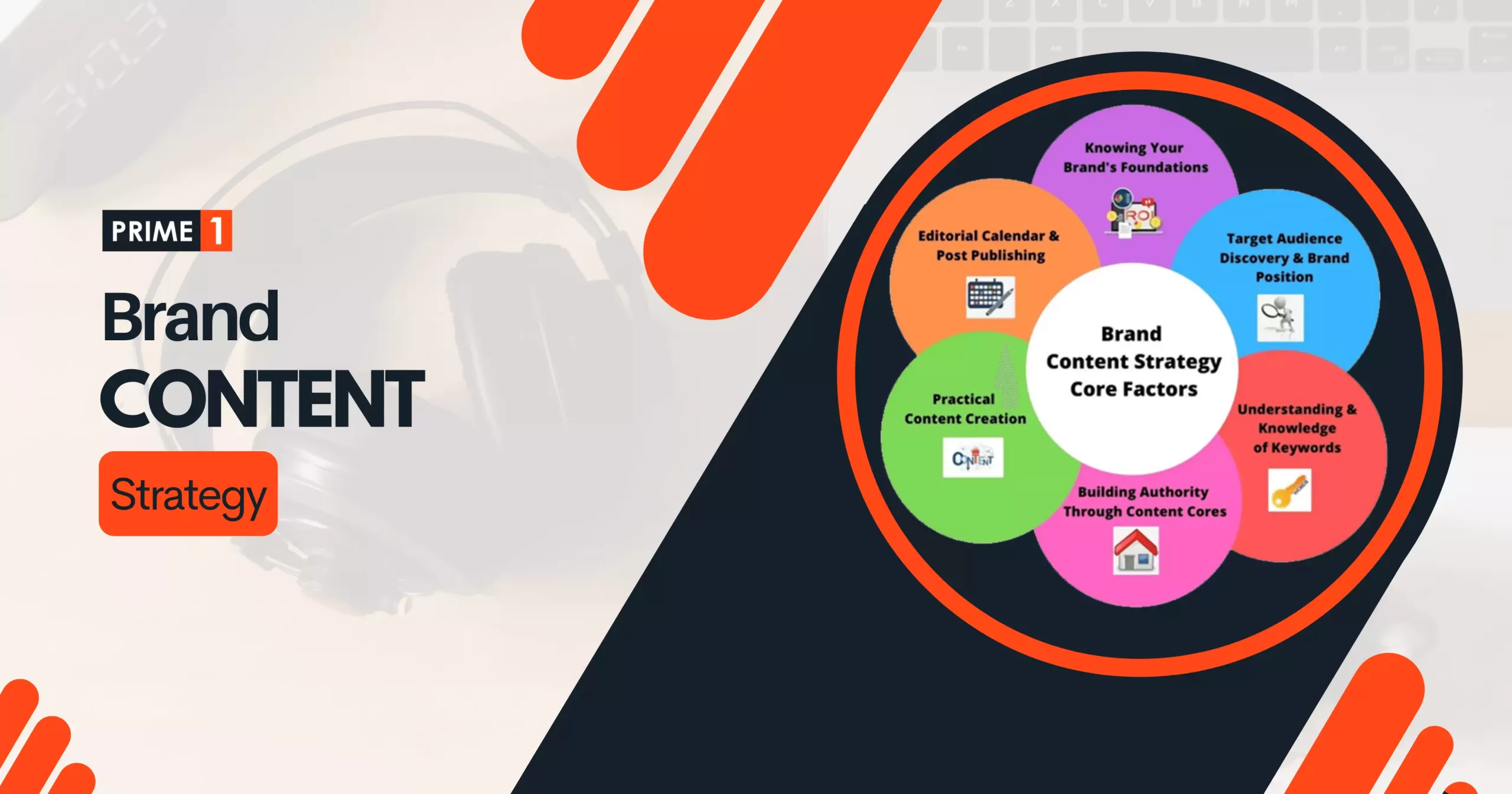
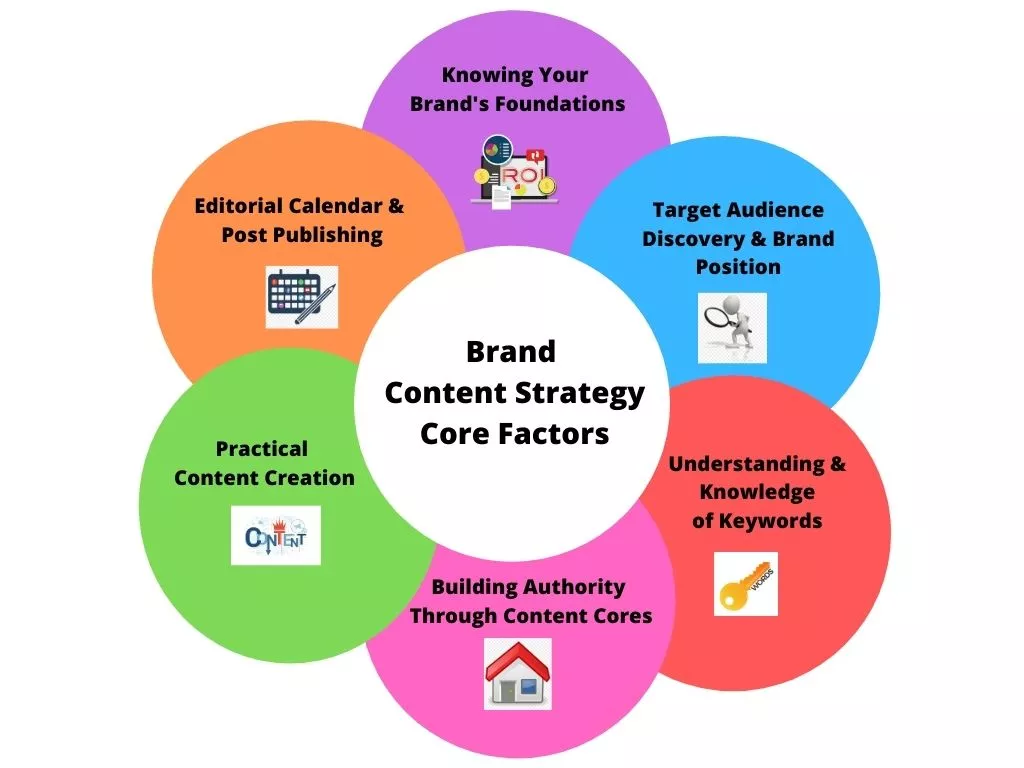
If you’ve no idea about brand content strategy, there are six core factors that build a brand content strategy.

content-strategy

The Six Core Factors of Brand Content Strategy

  1. Knowing how to define a content strategy and the different parts of content strategy.
  2. Get to know your target audience and build a brand differentiation factor.
  3. Discover a strategy to find and put together great keywords
  4. Knowing the ways to build authority with a dedicated brand website
  5. Knowing the tactics to consistently create well-optimized awesome content
  6. Having an organized process and system to manage and maintain the content and content strategy (editorial calendar, promotional strategy, etc.).

The above six steps don’t sound light, right? Because truthfully, they aren’t.

If you’re new to content marketing but want to be taken seriously in this industry and build your skillsets, consider getting a mentor and investing in a course led by industry-best practitioners to learn how to build a content strategy. Another best way is to join an internship in a job where you can learn and practice real-time tactics to build these content marketing skills.

2. Having a Better Understanding of SEO

seo-content-marketing-skills

There are valid reasons why more marketers and brands are focusing on SEO:

  • More than 90% of US traffic generates from Google – Especially through Google search, Google Images, and Google Maps.
  • SEO helps to drive nearly 11X as much traffic as organic social media
  • Nearly 68% of all online experience starts with a search engine.

Inbound SEO content is a win in today’s scenario because over the COVID-19 pandemic (March 2020 to present), Google search traffic spike up to 6 billion searches/day from 3.6 billion searches/day. In short, the number of people using Google to search for answers to their questions has increased to a greater level.

SEO skillset revolves around things like knowing how to write and optimize content for search, maintain and update older content, monitor your content performance, and effectively using tools like Google Analytics, Ahrefs, SEMrush and Yoast. Basically, companies that hiring content marketers are looking for a good understanding of SEO.

So, building your knowledge and skills in SEO is essential. To enhance your SEO knowledge you can find and follow SEO experts and take an SEO course.

3. Having a Great Understanding of Online Content

online-content

Can you quickly identify great online content?

If you haven’t sharpened your content recognition skills, you can’t survive in the content marketing industry for a long time. Brands are expecting their content marketing team to produce quality content. So, sharpen your content recognition skills and get to know how to identify good content across these content formats:

  • Product Descriptions
  • Social Media Posts
  • Blogs
  • Headlines
  • Web Content
  • Meta Content
  • Emails
  • Ebooks
  • Case Studies
  • Lead Magnets
  • Whitepapers
  • Video Scripts

Regardless of the industry, all of these above content formats are used across a wide variety of content marketing campaigns. So,  if don’t have good content recognition skills, build them by joining an internship at a content marketing agency, take a lower-paying gig in exchange for building your content- skills, or investing in an online content writing course.

4. Having the Ability to Do In-Depth Research

research-skills

‘Sourcing a statistic” in your content isn’t working any longer.

You should know the ways to find the original study, plus make sure you’re never linking to anything that’s outdated.  For instance, if you’re sourcing a link to a study from 2019 in your blog post, depending on your industry, it’s quite possibly outdated and won’t add authority to your blog post.

You need to research a bit more deeply than an average person to find great sources and statistics for the content you build or manage in a content marketing campaign.

Statistics and facts matter more than before because now trust is one of the most important buying factors consumers consider when purchasing a product/service from a brand.

5. Commitment & The Ability to Stick with It

commitment

This is a simple yet most important trait for a content marketer.

Above all, the success of a content marketing campaign depends on the commitment of the person who is spearheading the campaign.

The founder of Content Marketing Institute, Joe Pulizzi has said that it takes 12-18 months to see the success of content. Also, Pulizzi said that one of the biggest reasons for content marketing failure is that the brands don’t have patience and kills their campaign too early, even, it sounds crazy, it’s the true fact.

If you’re heading into the content marketing industry, you should be committed and build your ability to stick with it until you achieve the results. Simply, be a proponent for a brand’s content marketing success.

Conclusion

There are many other content marketing skills. But, these five are extremely important content marketing skills to master. Now you have the path to build your content marketing skills. Once you built these skills, you’re ready to hustle your dream content marketing job.

Go ahead and prosper your career!

Read More
20 Octcontent marketing

Best Ecommerce Content Marketing Strategies To Maximize ROI

Content marketing has been a buzzword in the digital marketing industry for recent years. Without giving a second thought, you can leverage the power of content marketing to boost your brand awareness, acquire new customers, and even generate more repeat sales. Because businesses that use the content marketing approach receive more traffic and have higher conversion rates.

✅ Today, let’s talk about eCommerce content marketing strategies that drive the maximum ROI.

1.📌 What is Content Marketing?

Generally, content marketing is a form of inbound marketing focused on creating, publishing, and distributing various different formats of content like written articles, infographics, and tutorial videos for targeted audiences online with the goal of attracting attention, generating more leads, expanding customer base and building your brand awareness.

Good content isn’t about good storytelling.
It’s about telling a true story well


2. 📌How to Stand Out with Content Marketing?

In this digital marketing era, it’s truly challenging to stand out from your competitors with your content marketing efforts. And, in today’s marketing landscape, many brands and individuals are willing to offer free value through their content.

So, how do you get your content to stand out from this crowd?

For example, take the topic “how to start a blog” While this topic has billions of search results and thousands of competitors vying for the high rank in the organic search results. Neil Patel’s blog has been able to high up the ranking on the first page of results. How? By going way above and beyond the amount of value other pieces of the content offered on this particular topic. His guide is very in-depth, also contains tutorial screenshots and results.

how to stand out with content marketing

This example clearly defines that you’ll need to raise the quality bar of your content in order to get ahead with your own content marketing strategy.

Now, let’s discuss the fundamentals of building a content marketing strategy and how this will help you to take your marketing efforts to the next level.


3. 📌What Should You Write About?

Coming up with writing that inspires your target audience is a bit tough. The simple way to get started with your writing is to write about the biggest challenges that your target audience facing today.

If you offer free content to your prospects that immediately help them to solve some of their problems, you’ll give them more confidence in choosing you when they decided to invest in a paid tool, solution, or resource on the particular subject at hand.

So, how can you find out the most pressing challenges, hurdles, and questions of your target audience to provide your answers or solutions with high-quality, transformational content?

✅ Here are some effective ways to identify the biggest challenges of your target audience.

➡️  Directly Ask Your Audience – Ask your existing audience about the biggest challenges they’re facing and use their answers to create your future content. It’ll help you to prioritize your product features in the long run.

➡️  Research Competitors – Research and identity which challenges and questions of your audience that your competitors are answering with their content, and in what format they’re delivering their content. Then, identify the unique ways to provide your valuable content to your audience

➡️  Analyze Your Own Experiences – While building your business, possibly, you’ve got some unique experiences and insights that you want to share with your audience through your content, which can help your audience to replicate your success or get a result you’ve achieved.

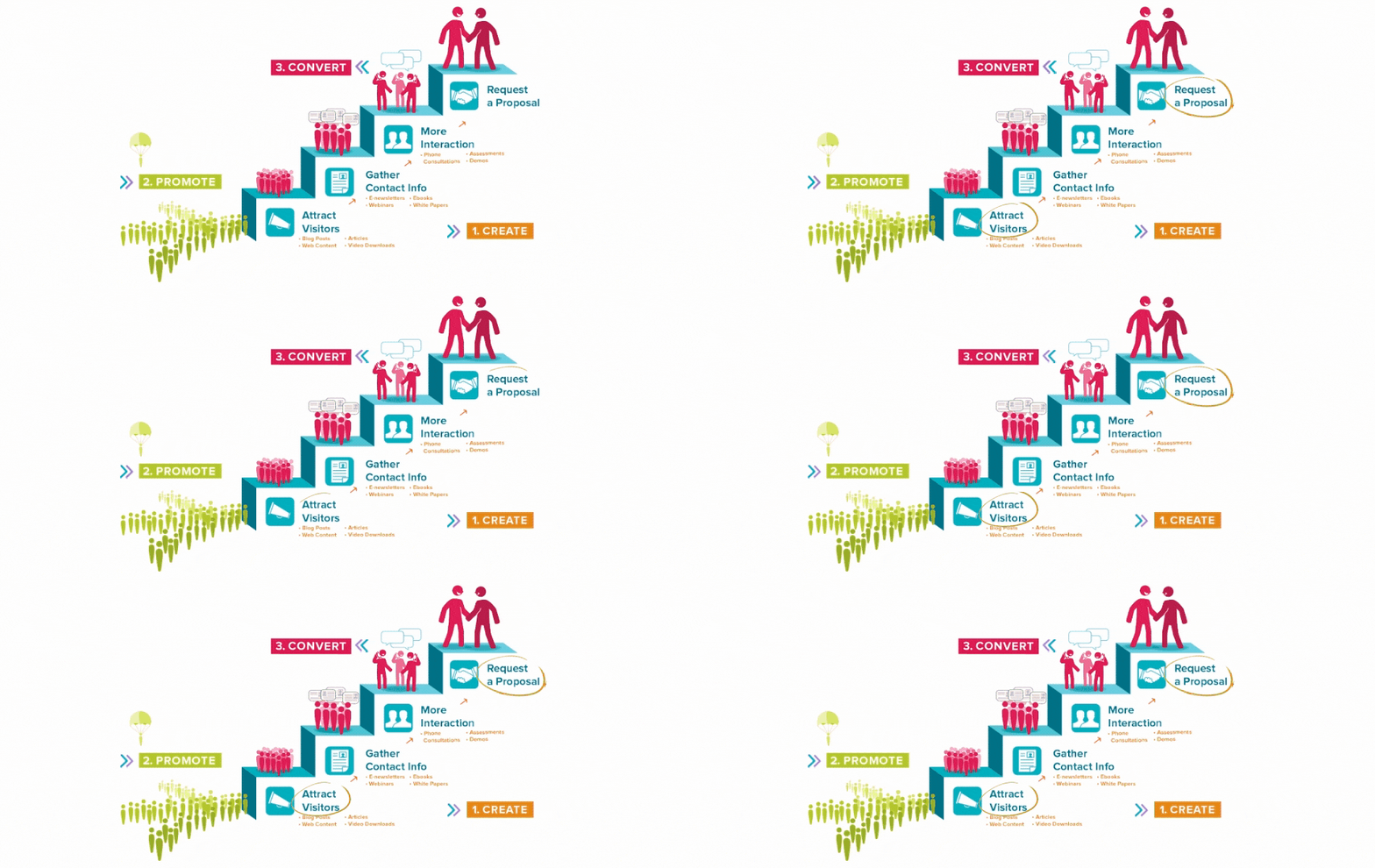
In order to build well-defined eCommerce content marketing strategies, you need to focus on different types of content formats like videos, infographics podcasts, eBooks, written blogs and using paid ads to generate initial audiences who’ll connect and engage with your content.

Following that, you have to do the needful things to generate traffic to your website, and putting CTAs throughout your content to get leads from the audience who shows up to consume your content

For this purpose, you need to improve the domain authority of your website (a measure used by search engines to benchmark the authoritativeness of a website). However, it’ll take continuous efforts and time. You can improve your website’s domain authority by publishing fresh, relevant content, then getting that content shared and mentioned by other well-established individuals and brands in your related fields.

Whether you’re beginning from scratch or need an evaluation on your eCommerce content marketing strategies, the following step-by-step content marketing tips will get you started.

4. 📌How Should You Share Your Content?

Now, you have your content ready in your hands, so, it’s time to start sharing your content with your target audience. Begin with identifying where (which social media platform) your target audience spends most of their time. Social media marketing is just one aspect of your overall eCommerce content marketing strategies, but, it’s essential in this social media age.

Your wealthy content in social media


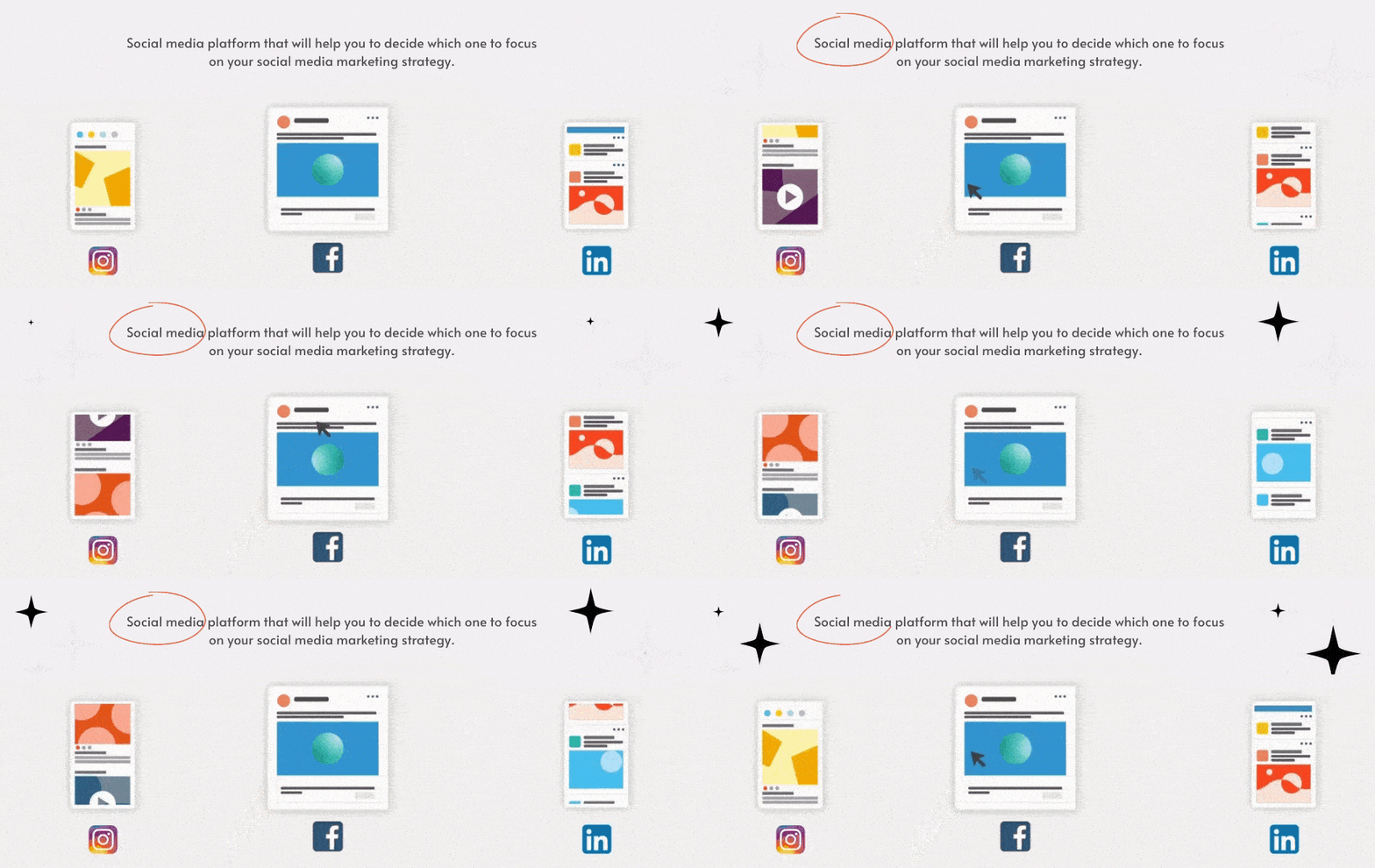
✅ Here are the demographics of each social media platform that will help you to decide which one to focus on your social media marketing strategy.

➡️  Facebook –Even though Facebook is an older social media platform, it still counts because Facebook continuously evolving and innovating itself according to users’ current needs. Probably, you’ll have a loyal fanbase on Facebook that help you to get real-time feedback. If you want to teach your audience, Facebook live is one of the best choices for you.

➡️  Instagram –Instagram is a visually attractive photogenic social media platform. So, If you have products that have lots of attractive images then this may a place to showcase your products.

➡️  Twitter –If you have informational and text-driven products, Twitter is the best choice for you. As it’ll allow you to give a short description of what you just wrote about on your content, blog, or website and point users towards it. It’s one of the effective ways of letting your users know there is new content without sending out an email every time.

➡️  LinkedIn –If you want to target business-minded professionals, LinkedIn is the absolute choice for you.

➡️  YouTube –Videos are engaging and generally have higher conversion rates, thus YouTube is a great way to share your video content and reach your audience.

By sharing your content on these above social media platforms, you’ll build your own communities on these platforms. For this purpose, you need to post frequently on the platforms and keep your audience up-to-date.

5. 📌How to Get More Backlinks for Your Content?

Guest posting is one of the best ways to gain backlinks for your content. You can guest post on blogs or similar websites in your niche. Once you find blogs or websites with similar content as yours, you can ask if they accept guest posts, if they do so, you can write a great article on their website and get a link back to your website in return. Just make sure you have quality content to submit before you try the guest posting method.

how to get more backlinks for your content

6. 📌How Should You Advertise Your Content?

For eCommerce particularly you can use PPC ads to get immediate traffic, but, just ensure you have a proper plan for your PPC ad campaign. Determine the goal for your PPC campaign, whether want to get sales, build your email list or build your brand awareness in the marketplace and customize your PPC campaign based on your goal.

how should you advertise your content

According to your PPC campaign results, you can determine what content to target and which keyword phrases to target for the long term. That’ll help you to build a comprehensive content marketing strategy for your eCommerce site.

7. 📌How Should You Drive Constant Traffic to Your Content?

Let’s check out the ways to drive sustained traffic to your content.

how should you drive constant traffic to your content


  • ➡️  Answer questions on Quora – Sign up for a free account on quora and start to answer the questions related to your business.
  • ➡️  Respond to Reddit subcategories –again sign up or a free account on Reddit and start to answer the questions related to your business.
  • ➡️  Comment on relevant blog posts and videos –Leave a comment on a blog post or YouTube video that is relevant to your niche.
  • ➡️  Create valuable assets for others –Offer value through your content by creating infographics, case studies, and tutorial teaching series videos.
  • ➡️  Reach out to relevant podcasts –Seek out the related podcasts and give interviews to get more reach for your content

🔔 Conclusion

Now, we have gone through the ways to create eCommerce content marketing strategies that drive the maximum ROI. Using these content marketing strategies you can build brand loyalty and trust among your audience that’ll help you to convert your website visitors into sales.

In nutshell, these eCommerce content marketing strategies help you to increase your conversion rate through brand awareness.

📢 Got any questions or thoughts about these eCommerce content marketing strategies? Let me know them in the comments below!

Read More
Recent Comments
  • Ketharan on Top 25 Instagram Fashion Influencers
  • Ketharan on Top 25 Instagram Fashion Influencers
  • Nigetha on Integrating ChatGPT With Google Sheets For Enhanced Data Analysis
  • Nigetha on The 10 Biggest Business Trends For 2024 Everyone Must Be Ready For Now
  • Nimesh Heshan on The 10 Biggest Business Trends For 2024 Everyone Must Be Ready For Now

Microsoft Certified Professional. Microsoft Certified

Start Your Journey to Better Business

Prime One Logo

Prime One Global LLC is a Globally recognized Multinational Award-Winning performance marketing agency delivering Full Stack digital marketing strategies and results-driven solutions to emerging global brands like yours.

USA Office Address

Prime One Global LLC.

1309 Coffeen Avenue,
Sheridan, WY, 82801, United States.

[email protected]

+ 1 (818) 275-2989
Sri Lankan Office Address

Prime One Global (PVT) LTD.
#146B, Goodshed Road,
Thonikkal, Vavuniya, NP,
Sri Lanka.

[email protected]

+ 94 24222 5992

Prime OneSolutionsHistory#GivebackCareersCommunity

Terms of Service

Privacy Policy

Press Kit

Knowledgebase

Support Center

Platform Status

Facebook-f Linkedin Instagram Youtube
© – Prime One Global LLC and all rights reserved by Maverick. Formerly known as Extreme SEO Internet Solutions™.