

Prime One Logo
  • Who We Are
    • Our Story
    • The Team
    • Insights
    • Community
    • Join Us
  • What We Do
    • Performance Marketing
      • PPC Campaign Management
      • Experiential Marketing
    • Business Intelligence
      • Digital Marketing Strategy
      • Page Speed Optimization
      • Conversion Rate Optimization
    • Search Engine Optimization
      • Enterprise SEO
      • Link Building
      • Local SEO
      • Link Removal
  • Digital SQUAD
  • Clients & Results
  • Partners
HELP
  • Who We Are
    • Our Story
    • The Team
    • Insights
    • Community
    • Join Us
  • What We Do
    • Performance Marketing
      • PPC Campaign Management
      • Experiential Marketing
    • Business Intelligence
      • Digital Marketing Strategy
      • Page Speed Optimization
      • Conversion Rate Optimization
    • Search Engine Optimization
      • Enterprise SEO
      • Link Building
      • Local SEO
      • Link Removal
  • Digital SQUAD
  • Clients & Results
  • Partners
  • Who We Are
    • Our Story
    • The Team
    • Insights
    • Community
    • Join Us
  • What We Do
    • Performance Marketing
      • PPC Campaign Management
      • Experiential Marketing
    • Business Intelligence
      • Digital Marketing Strategy
      • Page Speed Optimization
      • Conversion Rate Optimization
    • Search Engine Optimization
      • Enterprise SEO
      • Link Building
      • Local SEO
      • Link Removal
  • Digital SQUAD
  • Clients & Results
  • Partners
Marketing Strategies
Home Archive by Category "Marketing Strategies"

Category: Marketing Strategies

09 MayConsumer BehaviourMarketing Strategies

The Consumers in 2026: High Expectations and Short Attention Spans

Picture of Abirika

Abirika

The consumers of the present day have always been in a rush, and these consumer behavioural changes in 2026 are even more drastic than ever. Companies can no longer compete by price or quality; they compete by attention, trust and relevance in a world where there is a lack of all three.

The modern-day consumer reads more, demands more, does not trust that easily, and makes decisions faster. Their lives are a contradiction of low attention span, combined with high expectations.

This blog discusses the actual nature of the 2026 consumer, what motivates them, and how the brands need to transform to remain relevant in such a challenging market environment.


Let us learn about the consumers in 2026!

high-expectations-and-short-attention-spans
 📍 The New Currency is Attention.

Attention has also become one of the most valuable resources in 2026. Consumers have their attention being so disjointed with the constant bombing of content in social media feeds, ads, notifications, etc. They do not go into details, but scan and filter information quickly. This suggests the brands have just a few seconds to impress consumers before they disregard the brand’s information.

To be successful, brands have to create content that is immediately captivating and consumable. The use of clear communication, good visuals, and instant value is essential. The winning brands are the ones capable of valuing the time of the user and providing an impact instantly. The focus can not be gained gradually anymore; it has to be taken immediately.

📍 Short-Form Content Wins

Consumers have developed an interest in short-form content as a result, it has become the dominant way consumers interact with information. Short videos that are less than 60 seconds, fast images and snackable content are doing better in most of the online platforms. The reason behind this change is the use of mobile devices and the need to have fast entertainment or education.

Consumers demand content that provides value in real time, whether it is a source of education, entertainment or inspiration. The brands should change by making their message easier and concentrating on the storytelling that can be told in a few seconds. But this does not imply that depth has been lost; rather, it should be presented in lesser and more digestible segments. Winning brands are mastering this art to balance between brevity and meaning.


📍 The 3-Second Decision Window

Modern customers make their purchasing choices within a few seconds as to whether something is going to be worth their attention. This is a 3-second rule, which can be applied to advertisements, websites, promotions, videos, and product listings. If the content fails to captivate consumers’ attention immediately, they will scroll away without a second thought.

Habit and technology dictate this consumer behaviour. There are no boundaries to what a consumer can do, so they do not have to wait or shop around; that’s why they shift swiftly. The brands should front-load their values by putting forward their best message first. Thumbnails, headings, and headlines are more significant than ever before. A Good first impression is not merely useful, but it is vital to survive in a fast-moving digital world.

📍 The Pressure to Live Up to Expectations is Greater Than Ever

Modern consumers want to experience something extraordinary even though their attention is less than that of consumers in the past. They desire quick service, customised suggestions, efficient navigation, and uniform quality throughout the touchpoints. Anything short of that will cause frustration and they give up.

This sets a complex relationship where consumers spend less time and demand more value. Companies need to simplify all the interactions starting with browsing to check out. Efficiency, clarity, and convenience do not feature as competitive advantages anymore, but as a minimum expectation. Brands that do not fit these standards will lose customers immediately, and those that do are capable of creating a strong loyalty.

📍 Personalization Becomes Mandatory

Personalization has ceased being a luxury to a necessity. Consumers want brands to know their preferences, behaviour, and needs. The generic experiences are old and out of fashion. Highly relevant targeted ads or personalized content make consumers to engage with the products,

However, personalization should not be annoying. It should make the experience more enjoyable without being overstated and disruptive. When performed appropriately, personalization will help to decrease decision fatigue and create closer relationships with consumers. Also, consumers are more willing to work with brands that understand them, and personalization is one of the major sources of consumer satisfaction to get conversion in 2026.

📍 Privacy Awareness is Rising

Although consumers desire the ability to have their experiences personalized, they are becoming more cautious about the use of their data. Privacy issues are defining consumer behaviour, where most users are not willing to share their data, or they are not willing to be tracked. This puts a strain on personalization and trust.

Brands should be open in their use of data and offer obvious value in exchange for consumer information. Honesty, security and respect for consumers’ boundaries are some of the key components that create trust. Brands that value ethical data practices are able to stand out among other brands in the market. Trust is never assumed in 2026, but it needs to be achieved.

📍 Digital Fatigue is Real

Consumers are spending a lot of time on the internet than ever before, and they are feeling harassed as well. Digital fatigue has come as a result of constant notifications, content overload, and screen time. A lot of individuals are making an active attempt to cut down on their internet use or have more meaningful experiences.

This is a challenge as well as an opportunity for brands. It is necessary that the brands should not add to noise but rather aim at providing value-oriented and purposeful content. It’s about quality, not quantity. In the saturated digital environment, experiences that are useful, human and authentic shine through. Engagement can be enhanced greatly by realizing and addressing user fatigue.

📍Authenticity Builds Trust

In 2026, consumers are very suspicious of too smooth marketing. They do not like staged, fake, and unrealistic content. That’s why authenticity has always been a significant element of creating trust and loyalty.

User generated content, behind the scenes and ads that showcase the real values are being welcomed by the consumers. Consumers desire to observe the human aspect of businesses. Brands that are willing to be imperfect as well as communicate with the world tend to be more emotionally connected to the audience. Authenticity is not optional anymore, it is one of the expectations.

📍 Convenience Forces Decisions

The issue of convenience is a major factor in consumer behaviour. Nowadays, most of the individuals want to save their time and energy; therefore, they prefer fast delivery, easy returns, and simple user interfaces that help them to save time and energy with a positive shopping experience.

Brands that are eliminating friction throughout the customer experience are going to win the market. The more convenient it becomes to window shop, make a decision, and buy, the higher the chances of consumers choosing a brand. Convenience becomes one of the key factors when it comes to a competitive market where a particular brand is preferred over another.

📍Value and Impact Matter More

Modern consumers are more aware of what they purchase and why. They are attracted towards brands that reflect their values as in being sustainable, ethical, and socially responsible. Customers are buying products more based on the purpose, rather than price or functionality.

Consumers are ready to follow brands that represent something that is meaningful, but they also demand authenticity. Trust can be broken easily with empty claims or greenwashing. Companies should not just talk but should show their values. The success in 2026 will be achieved through the establishment of both the functional and emotional value.

Final Thoughts

In 2026, there is a dramatic change in the way consumers interact, make decisions and form relationships with brands. They are fast, discriminating and want all interactions to be of benefit. Meanwhile, they have become more enlightened, choosier and more conscious of how they allocate their time and money. It is not a paradox; this short attention span and great expectations are a representation of a smarter, digitally advanced way of thinking.

Brands will have to re-examine the manner in which they communicate and create experiences to remain relevant to their consumers. Existing on the market is no longer enough: businesses need to work hard to gain attention, trust and loyalty on every point of contact with their customers. Speed, personalization, authenticity, and convenience are no longer secondary, but they are the keys to success. Meanwhile, Respecting the privacy of users, reducing the digital clatter, and the provision of meaningful offerings will separate great brands among others.

In the end, the brands that will succeed in 2026 will be those that will think in the same way that consumers do, for example, fast, focused, and value-driven; yet, retain a human, real connection!

What’s one change you think brands must make right now to earn consumers’ attention and trust in 2026? Let me know your thoughts in the comments!


d525ceaee11862a41343afdd05eeb9e03cc8502270863e10f352a11c7b241df5?s=96&d=mm&r=g

Abirika

Abirika Soolabanee working as a Senior Manager - Inbound Marketing & Branding at Prime One Global. She is a certified content and Inbound marketer with five years of experience. Bringing expertise in content marketing, inbound marketing, branding, blogging, copywriting, SEO, keyword research, and research & analytics. She is passionate about Inbound Marketing, Branding and Blogging. She writes in-depth articles and guides about digital marketing trends, technologies, and other lifestyle topics since 2018. Through her writings, she loves to help people in all aspects of their life.

All Posts

Share this article:

Read More
16 JanMarketing TrendsMarketing Strategies

Top 10 Emerging Experiential Marketing Trends to Use in 2024 and Beyond

Picture of Abirika

Abirika

Table of Contents

  • 1. Master in Crafting Marketing Strategy
  • 2.Key Factors for Your Precision Marketing Success
  • 3. Top-Rated Precision Marketing Strategies for 2024

Brands are much like individuals; they possess stories, rich histories, distinctive “personalities,” and meaningful relationships, particularly with their customers. These connections are forged through the varied experiences consumers have with a brand. Hence, marketing experts emphasize the significance of ensuring that every touch point contributes to the establishment of an enduring relationship with your brand’s target audience. One effective way to do this is through experiential marketing campaigns. Therefore, it’s crucial to stay attuned to the evolving experiential marketing trends in 2024. In this comprehensive post, we’re going to explore the top 10 experiential marketing trends that are shaping the future of brand engagement.

Let’s check out the top experiential marketing trends one by one!

⚡ Top 10 Experiential Marketing 🔔 Trends in 2024


1. 📍 Virtual and Hybrid 🛸 Experiences

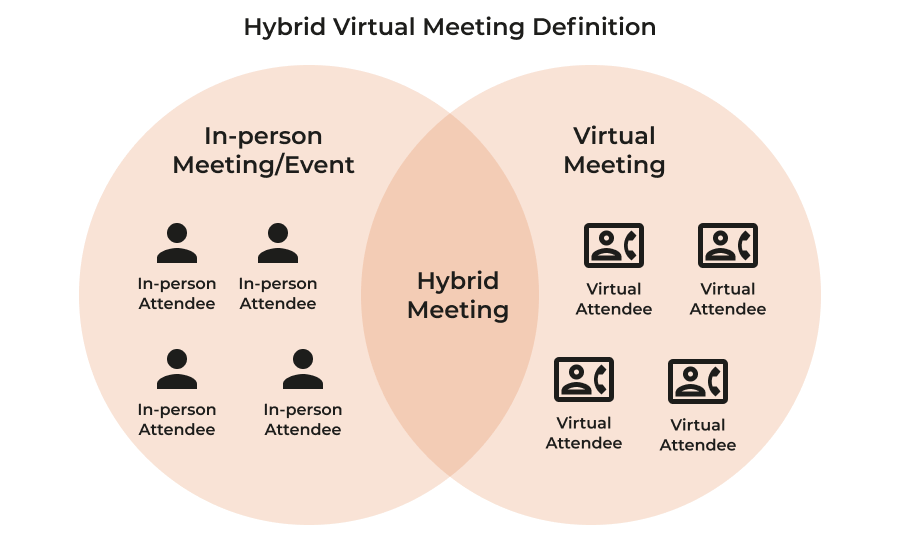
In the dynamic landscape of experiential marketing, virtual and hybrid experiences have emerged as top trends, reshaping the way brands connect with their audiences. Virtual experiences leverage digital platforms to create immersive environments, allowing consumers to engage with a brand’s products or services from the comfort of their own space. This trend gained significant momentum, especially with the rise of remote interactions and the need for innovative solutions during global challenges like COVID-19.

hybrid-meetings-final

On the other hand, hybrid experiences seamlessly blend the physical and digital realms, offering a versatile approach that caters to both in-person and online audiences. Brands are leveraging cutting-edge technologies to create unified experiences that transcend traditional boundaries, enabling them to reach a broader and more diverse audience demographic. This approach not only accommodates the preferences of different consumer segments but also enhances the overall impact of marketing initiatives.

These experiential marketing trends have proven particularly effective in overcoming geographical constraints and adapting to the evolving preferences of modern consumers. By embracing virtual and hybrid experiences, brands can foster deeper connections, drive engagement, and leave a lasting impression on their target audience. As the experiential marketing landscape continues to evolve, incorporating these innovative approaches will be essential for brands looking to stay ahead and create memorable, multi-dimensional interactions with their consumers.

2. 📍Branded Art 🎨 Installations

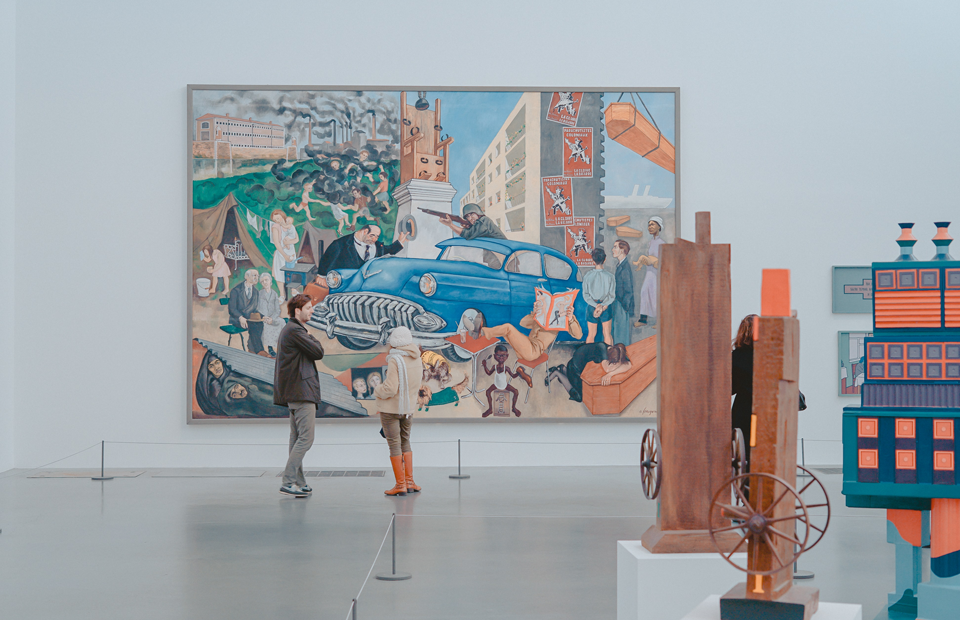
Branded art installations have risen to prominence as a leading trend in experiential marketing, captivating audiences by seamlessly merging artistic expression with brand messaging. These installations go beyond traditional advertising methods, transforming spaces into immersive environments that engage the senses and spark meaningful interactions. The incorporation of branded art installations represents a strategic and visually stunning approach for brands aiming to create a lasting impact, stimulate conversation, and build a strong emotional bond with their target audience.

branded art installations

By leveraging the power of visual aesthetics and creativity, brands are able to tell their stories in a unique and memorable way. Branded art installations often serve as a powerful tool for conveying brand values, fostering emotional connections, and creating a lasting impact on consumers. These installations can take various forms, from large-scale sculptures to interactive multimedia exhibits, offering a dynamic and shareable experience for attendees.

Branded art installations align with the growing consumer demand for authenticity and meaningful brand experiences. It allows brands to communicate their identity in a non-intrusive yet compelling manner, fostering a sense of connection that goes beyond traditional marketing approaches. This immersive form of storytelling enables brands to stand out in crowded markets, leaving a lasting impression on their audience and generating buzz both online and offline.

3. Evolution of Pop-Up Shops

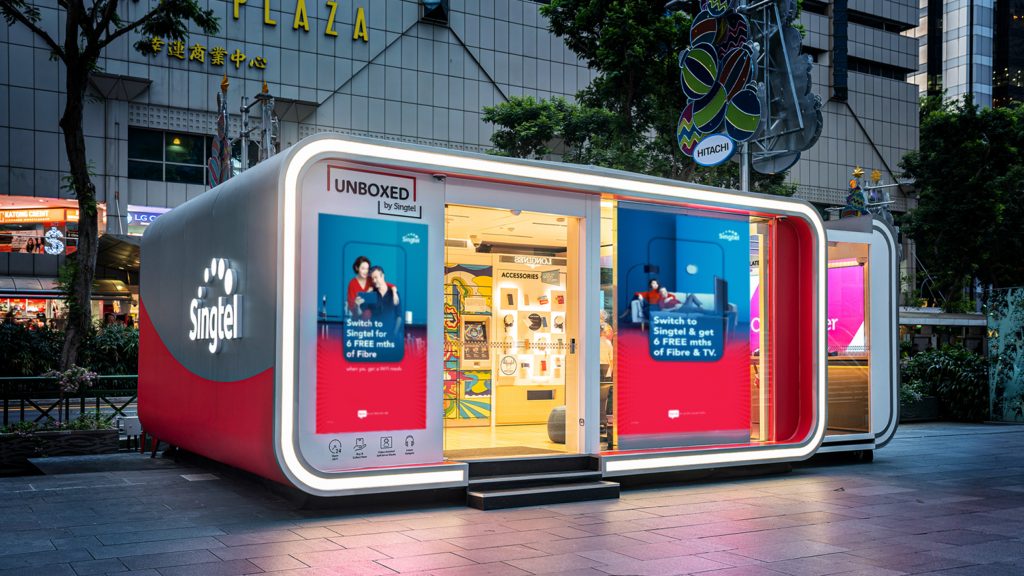
The evolution of pop-up shops has emerged as one of the leading experiential marketing trends, transforming the traditional retail landscape into dynamic, immersive brand experiences. Originally conceived as temporary retail spaces, pop-up shops have evolved beyond mere transactions, becoming powerful tools for engagement, brand storytelling, and community building. Pop-up shops represent a strategic shift towards creating immersive brand moments that foster connections, drive brand loyalty, and leave a lasting impact on consumers in an ever-changing and competitive market.

pop-up shops

Unlike conventional retail stores, pop-up shops are designed to be transient, creating a sense of urgency and exclusivity. Brands leverage these spaces to connect with consumers in a more personal and memorable way, often incorporating interactive elements, unique themes, and limited-edition products. This  experiential marketing strategy not only generates excitement but also cultivates a sense of discovery, encouraging consumers to actively participate in the brand experience. The evolution of pop-up shops aligns with the changing expectations of modern consumers, who seek more than just products; they crave meaningful and authentic interactions with brands. 

These pop-up shop installations provide a platform for experimentation, allowing brands to test new concepts, launch products, and engage with their audience in unconventional settings. Furthermore, the rise of online-to-offline (O2O) strategies has enabled brands to seamlessly integrate their digital presence with physical pop-up experiences, creating a holistic and omnichannel approach. Social media amplification of these experiences also plays a pivotal role, extending the reach far beyond the physical location and creating a buzz that resonates with a broader audience.

4. Introduction of Dynamic Live Events

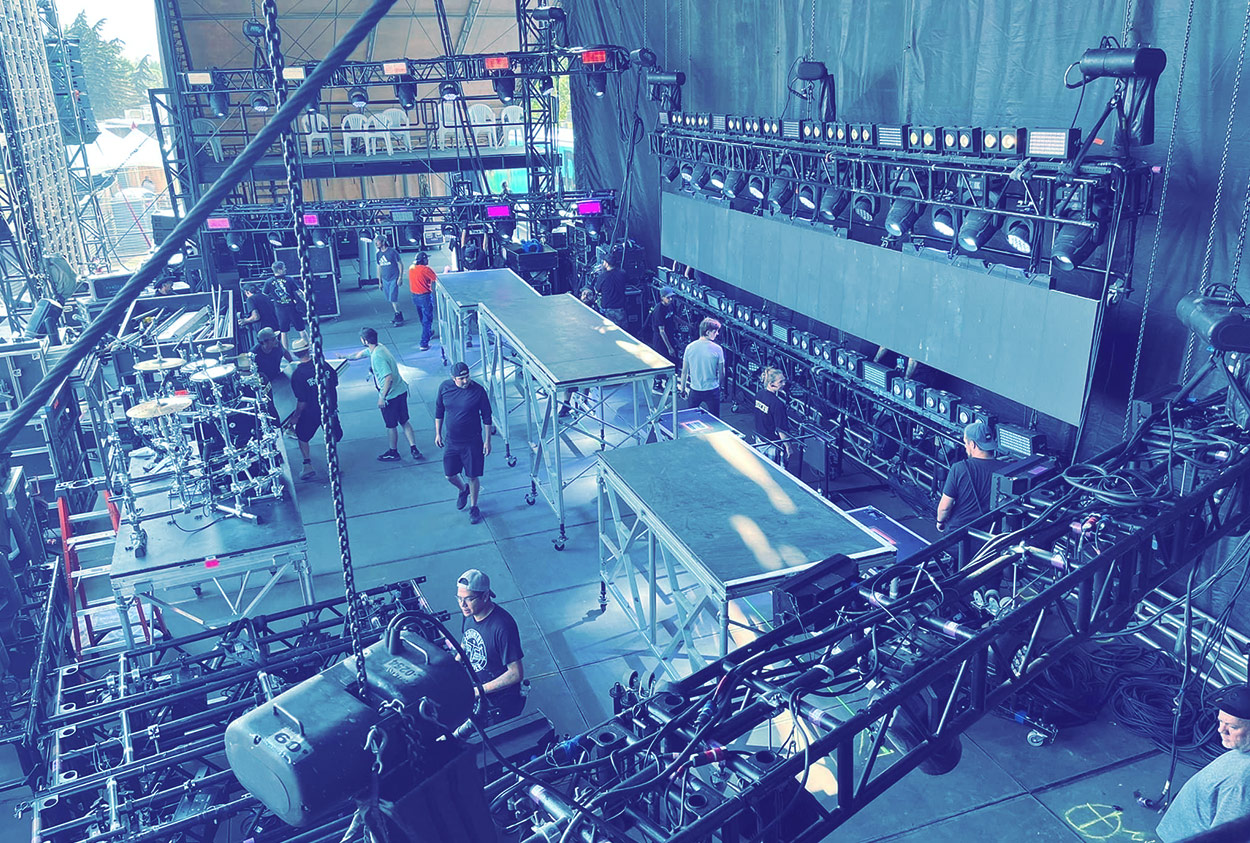
Dynamic live events have become a paramount trend in experiential marketing, reshaping the way brands engage with their target audiences. These events transcend the traditional boundaries of static presentations, offering immersive, interactive, and real-time experiences that captivate attendees and leave a lasting impression. The essence of live events lies in their ability to adapt and respond to the preferences and behaviours of the audience. Whether through virtual platforms or physical spaces, brands curate experiences that are not only visually and intellectually stimulating but also customizable and ensure a personalized connection with each participant. 

dynamic live events

The dynamic nature of these live events allows brands to showcase their products or services in innovative ways, fostering a sense of excitement and exploration. By incorporating elements such as live performances, interactive installations, and real-time audience engagement, brands can create a vibrant atmosphere that resonates with diverse audience demographics. Moreover, the integration of technology plays a crucial role in enhancing the dynamism of these events. From live streaming to interactive social media engagement, brands leverage tech-driven elements to amplify the impact of their live events, reaching a global audience and creating a buzz both online and offline.

In a world where consumers seek authentic and engaging experiences, dynamic live events have become a strategic cornerstone of experiential marketing. By fostering genuine connections, driving participation, and embracing innovation, brands can leverage these live events to stand out in a crowded market and establish a meaningful presence in the hearts and minds of their audience. This trend has also gained significant traction as brands seek to create memorable moments that go beyond conventional marketing strategies.

5. Immersive Technologies: AR and VR

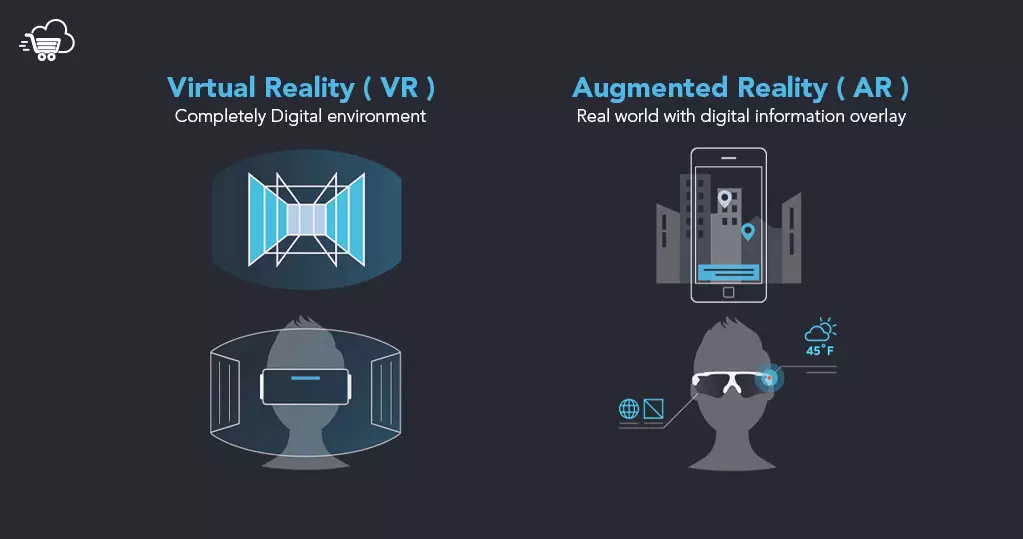
Augmented Reality (AR) and Virtual Reality (VR), have surged to the forefront as top experiential marketing trends, fundamentally transforming how brands connect with their audiences. AR and VR provide a gateway to unparalleled, immersive experiences that transcend the limitations of traditional marketing channels. Augmented Reality enhances the real-world environment by overlaying digital elements, creating interactive and engaging brand experiences. From AR-powered product demonstrations to location-based AR activations, brands can seamlessly integrate their offerings into the daily lives of consumers, fostering a deeper connection.

ar and vr

On the other hand, Virtual Reality immerses users in entirely virtual environments, transporting them to carefully crafted brand stories. VR facilitates a heightened level of engagement, allowing consumers to explore, interact, and experience products or services in a way that goes beyond the constraints of physical reality. This technology is particularly impactful in sectors such as travel, real estate, and retail, where it enables virtual try-ons, test drives, or property tours.

These immersive technologies provide brands with a unique opportunity to tell their stories in three-dimensional, interactive ways. Whether it’s showcasing products in a virtual showroom or offering customers a lifelike preview of experiences, AR and VR enable brands to leave a lasting impression on their audience. Additionally, the shareability of these experiences on social media platforms amplifies the reach, creating a ripple effect of engagement. The integration of AR and VR not only captivates audiences but also positions brands as innovators. By harnessing the power of AR and VR technologies, brands can create memorable and shareable experiences that resonate with modern consumers seeking authentic and cutting-edge interactions.

6. Storytelling As A Core Marketing Element

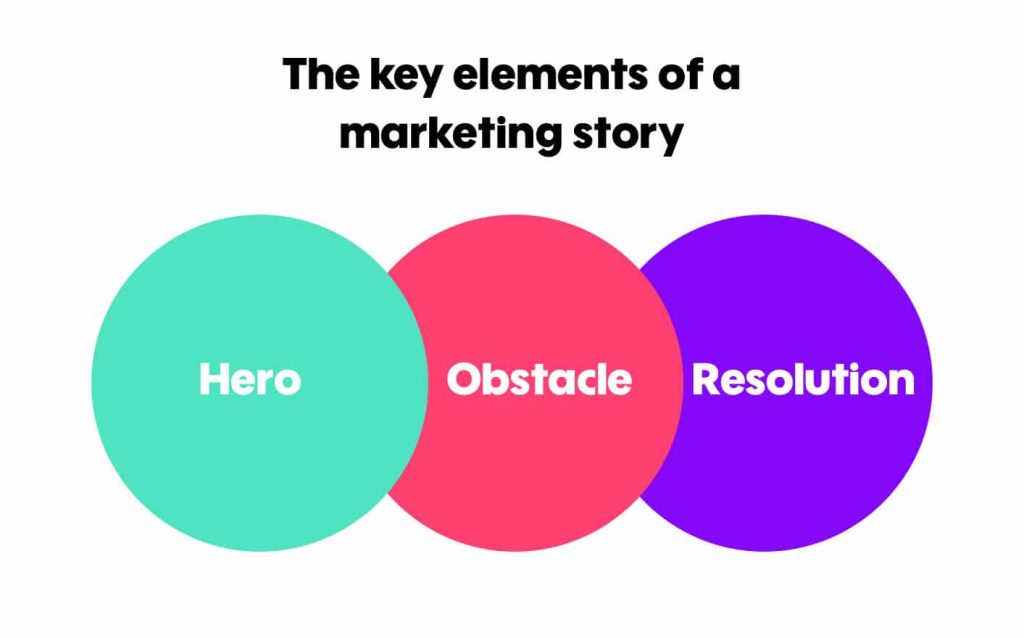
Storytelling has emerged as a fundamental and enduring trend in experiential marketing, elevating brand interactions from mere transactions to compelling narratives that resonate with audiences on a deep and emotional level. This trend recognizes the innate human connection to stories and leverages it to create immersive and memorable brand experiences. At its core, experiential marketing through storytelling involves weaving a narrative that goes beyond product features and benefits. Brands are crafting stories that reflect their values, mission, and the impact they aspire to make in the lives of their consumers. These narratives serve as a powerful tool for building brand identity and forging genuine connections.

core marketing element

Whether through live events, interactive installations, or digital platforms, storytelling allows brands to engage with consumers in a more meaningful way. By creating experiences that unfold like a narrative arc, brands capture attention, evoke emotions, and leave a lasting imprint. This approach not only captivates the audience in the moment but also fosters a sense of loyalty and brand affinity over time. Moreover, in an era where authenticity and relatability are paramount, storytelling enables brands to communicate their message in a humanized and accessible manner. It transcends traditional marketing tactics by inviting consumers to be active participants in the brand narrative rather than passive observers.

As one of the top experiential marketing trends, storytelling serves as the foundation upon which brands build immersive, shareable, and impactful experiences. By embracing the art of storytelling, brands can create a narrative thread that connects with their audience, making the brand not just a product or service but a compelling and memorable part of their personal stories.

7. Gamification for Enhanced Engagement

Gamification has emerged as a powerful and interactive trend in experiential marketing, transforming brand interactions into engaging and entertaining experiences. By incorporating elements of games and competition into marketing strategies, brands captivate audiences, drive participation, and create memorable connections with consumers. The concept of gamification involves integrating game-like features, such as challenges, rewards, and interactive storytelling, into brand experiences. This approach not only adds an element of fun but also taps into the intrinsic human desire for competition and achievement. Brands leverage gamification to make their messages more dynamic, encouraging active participation from consumers.

new-digital-business-models

Whether through mobile apps, interactive installations, or social media campaigns, gamification encourages users to become active players in the brand narrative. Points, badges, leaderboards, and other game mechanics are employed to incentivize engagement and foster a sense of accomplishment. This not only keeps participants entertained but also creates a sense of community as users compete or collaborate to achieve common goals. The appeal of gamification lies in its ability to break down traditional barriers between brands and consumers. It transforms mundane activities into exciting challenges, making the brand experience more memorable and shareable. 

Additionally, the data generated through gamification allows brands to gain valuable insights into consumer behaviour, preferences, and engagement patterns. As one of the emerging experiential marketing trends, gamification effectively addresses the evolving expectations of modern consumers, who seek interactive and entertaining content. By infusing elements of play into their strategies, brands can create immersive experiences that not only capture attention but also encourage long-term engagement and brand loyalty.

8. Strategic Social Media Integration

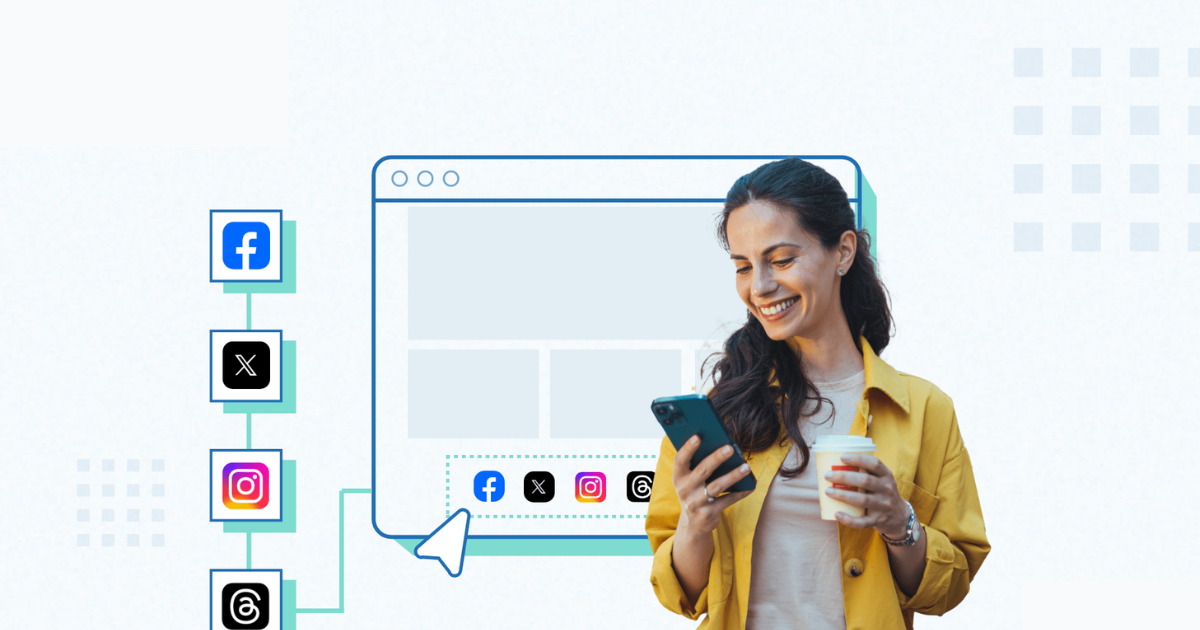
Social media integration has risen to prominence as a pivotal trend in experiential marketing, transforming the way brands connect with their audiences. Recognizing the penetrating influence of social platforms, brands strategically weave these channels into their experiential marketing campaigns to amplify reach, drive engagement, and create a seamless online-offline brand experience. This trend leverages the interactive and real-time nature of social media to enhance brand activations. From live event coverage to user-generated content campaigns, brands seamlessly integrate social media to extend the lifespan of their experiential marketing initiatives and foster a sense of community among their audience.

experiential marketing trends 2024

Experiential marketing with social media integration encourages consumers to become active participants in the brand narrative. Attendees share their experiences in real-time, utilizing event-specific hashtags, geotags, and multimedia content. This not only generates organic brand buzz but also provides brands with valuable, user-generated content that serves as authentic testimonials. Platforms like Instagram, Twitter, and TikTok play a crucial role in amplifying the impact of experiential marketing campaigns. Brands leverage these platforms to showcase behind-the-scenes moments, conduct live Q&A sessions, and even launch interactive challenges, turning the audience into co-creators of the brand experience. 

Social media integration extends the reach far beyond the physical event, creating a digital ripple effect that resonates with a broader audience. In the contemporary landscape where consumers crave authentic, shareable content, social media integration has become an indispensable element of successful experiential marketing. By seamlessly connecting the physical and digital realms, brands can harness the power of social media platforms to create immersive, interactive, and highly shareable brand experiences that leave a lasting impression on their audience.

9. Artificial Intelligence in Event Planning

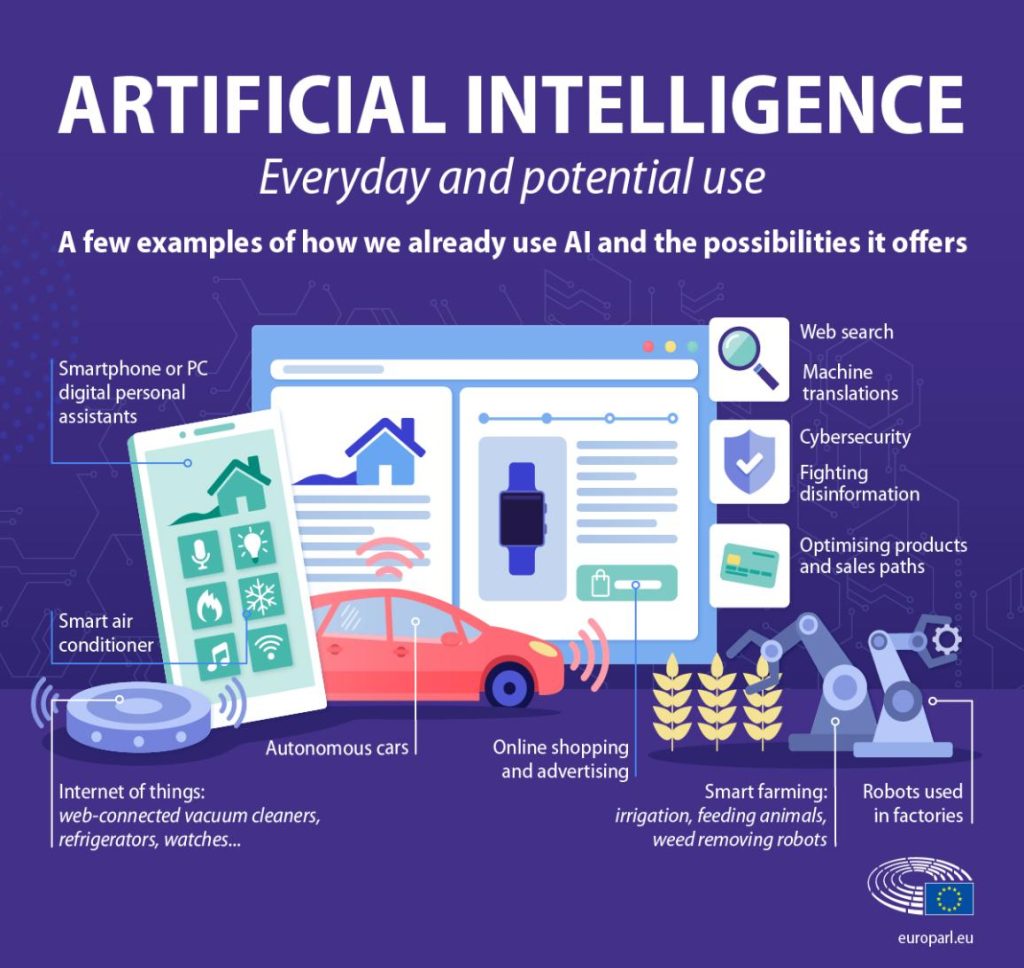
Artificial Intelligence (AI) has emerged as one of the cutting-edge experiential marketing trends, revolutionizing the event planning landscape and enhancing the overall attendee experience. From pre-event preparations to real-time engagement and post-event analysis, AI is seamlessly integrated into various aspects of event planning to optimize efficiency and create more personalized and engaging experiences. In the pre-event phase, AI algorithms analyze vast amounts of data to identify trends, preferences, and potential areas for customization. This allows event planners to tailor experiences based on attendee demographics, preferences, and behaviour, ensuring a more targeted and relevant event.

artificial intelligence 2024

During events, AI-powered chatbots and virtual assistants provide real-time support and information to attendees, enhancing the overall guest experience. These intelligent systems can handle inquiries, guide participants through the event schedule, and even offer personalized recommendations based on individual preferences. Furthermore, AI contributes to post-event analysis by processing feedback, social media mentions, and other data sources. This enables event organizers to gain valuable insights into the success of the event, measure engagement levels, and identify areas for improvement in future experiences.

The integration of AI in event planning not only streamlines logistical processes but also adds a layer of personalization that resonates with modern consumers. By leveraging machine learning and predictive analytics, brands can create more adaptive and responsive events that cater to the unique preferences of each attendee, fostering a deeper connection and leaving a lasting impression. As AI continues to advance, its role in experiential marketing is expected to grow, providing innovative solutions that redefine how brands approach event planning and audience engagement.

10. The Advent of NFTs 

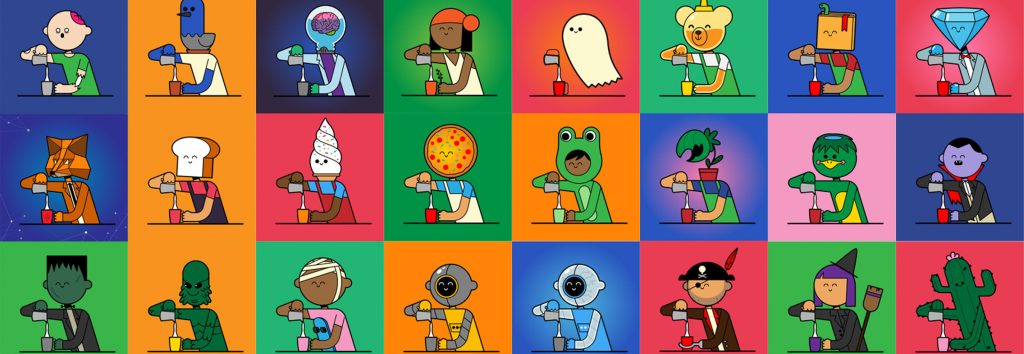
NFTs (Non-Fungible Tokens) have rapidly emerged as a groundbreaking trend in experiential marketing, introducing a novel way for brands to engage with their audience and create unique digital experiences. NFTs, which are blockchain-based tokens representing ownership of digital assets, are transforming the digital landscape by providing a unique way for brands to offer exclusive and collectible content to their audience. In the realm of experiential marketing, brands are leveraging NFTs to tokenize one-of-a-kind experiences, content, or virtual products. This can include limited edition digital artwork, behind-the-scenes content, or exclusive access to virtual events. The scarcity and ownership facilitated by NFTs add a layer of exclusivity and authenticity to these offerings, creating a sense of value and rarity for the audience.

coffee-bros-nft

NFTs enable brands to engage with a tech-savvy and digitally native audience, tapping into the growing interest in blockchain technology and decentralized ownership. The transparent and secure nature of blockchain ensures the authenticity and provenance of digital assets, building trust among consumers. Moreover, the tradability of NFTs in secondary markets enhances the viral potential of experiential marketing campaigns. Fans and collectors can buy, sell, and trade these digital assets, creating a dynamic ecosystem around the brand’s offerings and potentially expanding the reach of the campaign beyond its initial audience.

As one of the booming experiential marketing trends, NFTs represent a paradigm shift in how brands create and share digital experiences. By embracing blockchain technology, brands can not only offer unique and memorable interactions but also pioneer new forms of digital ownership and engagement in the ever-evolving landscape of experiential marketing.

Conclusion

Experiential marketing is evolving to meet the demands of a dynamic and digitally connected world. From virtual experiences to NFT-focused marketing activities, brands are embracing innovative approaches to engage and resonate with their target audience. By staying attuned to these top 10 experiential marketing trends, marketers can ensure that their experiential marketing strategies remain relevant, impactful, and ahead of the curve in the ever-evolving arena of brand engagement.

Which of these experiential marketing trends sparks your excitement? Join the conversation and share your thoughts in the comments below!

d525ceaee11862a41343afdd05eeb9e03cc8502270863e10f352a11c7b241df5?s=96&d=mm&r=g

Abirika

Abirika Soolabanee working as a Senior Manager - Inbound Marketing & Branding at Prime One Global. She is a certified content and Inbound marketer with five years of experience. Bringing expertise in content marketing, inbound marketing, branding, blogging, copywriting, SEO, keyword research, and research & analytics. She is passionate about Inbound Marketing, Branding and Blogging. She writes in-depth articles and guides about digital marketing trends, technologies, and other lifestyle topics since 2018. Through her writings, she loves to help people in all aspects of their life.

All Posts

Share this article:

Read More
Recent Comments
  • Ketharan on Top 25 Instagram Fashion Influencers
  • Ketharan on Top 25 Instagram Fashion Influencers
  • Nigetha on Integrating ChatGPT With Google Sheets For Enhanced Data Analysis
  • Nigetha on The 10 Biggest Business Trends For 2024 Everyone Must Be Ready For Now
  • Nimesh Heshan on The 10 Biggest Business Trends For 2024 Everyone Must Be Ready For Now

Microsoft Certified Professional. Microsoft Certified

Start Your Journey to Better Business

Prime One Logo

Prime One Global LLC is a Globally recognized Multinational Award-Winning performance marketing agency delivering Full Stack digital marketing strategies and results-driven solutions to emerging global brands like yours.

USA Office Address

Prime One Global LLC.

1309 Coffeen Avenue,
Sheridan, WY, 82801, United States.

[email protected]

+ 1 (818) 275-2989
Sri Lankan Office Address

Prime One Global (PVT) LTD.
#146B, Goodshed Road,
Thonikkal, Vavuniya, NP,
Sri Lanka.

[email protected]

+ 94 24222 5992

Prime OneSolutionsHistory#GivebackCareersCommunity

Terms of Service

Privacy Policy

Press Kit

Knowledgebase

Support Center

Platform Status

Facebook-f Linkedin Instagram Youtube
© – Prime One Global LLC and all rights reserved by Maverick. Formerly known as Extreme SEO Internet Solutions™.