

Prime One Logo
  • Who We Are
    • Our Story
    • The Team
    • Insights
    • Community
    • Join Us
  • What We Do
    • Performance Marketing
      • PPC Campaign Management
      • Experiential Marketing
    • Business Intelligence
      • Digital Marketing Strategy
      • Page Speed Optimization
      • Conversion Rate Optimization
    • Search Engine Optimization
      • Enterprise SEO
      • Link Building
      • Local SEO
      • Link Removal
  • Digital SQUAD
  • Clients & Results
  • Partners
HELP
  • Who We Are
    • Our Story
    • The Team
    • Insights
    • Community
    • Join Us
  • What We Do
    • Performance Marketing
      • PPC Campaign Management
      • Experiential Marketing
    • Business Intelligence
      • Digital Marketing Strategy
      • Page Speed Optimization
      • Conversion Rate Optimization
    • Search Engine Optimization
      • Enterprise SEO
      • Link Building
      • Local SEO
      • Link Removal
  • Digital SQUAD
  • Clients & Results
  • Partners
  • Who We Are
    • Our Story
    • The Team
    • Insights
    • Community
    • Join Us
  • What We Do
    • Performance Marketing
      • PPC Campaign Management
      • Experiential Marketing
    • Business Intelligence
      • Digital Marketing Strategy
      • Page Speed Optimization
      • Conversion Rate Optimization
    • Search Engine Optimization
      • Enterprise SEO
      • Link Building
      • Local SEO
      • Link Removal
  • Digital SQUAD
  • Clients & Results
  • Partners
Brand Activation
Home Archive by Category "Brand Activation"

Category: Brand Activation

25 NovBrandingBrand ActivationBrand Experience

Rebranding in The AI Decade: More Than Just A Logo Change

Picture of Abirika

Abirika

Rebranding is always a major undertaking – new visuals, maybe a new name, and refreshed messaging. However, in the current AI decade, rebranding has changed. It’s no longer about how a brand looks; it’s about how it feels, behaves and adapts. It’s about building intelligence, consistency, agility and authenticity into each touchpoint of the brand. This article dives into how rebranding today is a deeply strategic endeavour, how AI is transforming the rebranding process, what are the trade-offs, practical use cases, and what are the ways in which brands can navigate the rebranding journey well. Let’s dive into the rebranding in the AI decade!

1) The Need for Strategic Brand Alignment
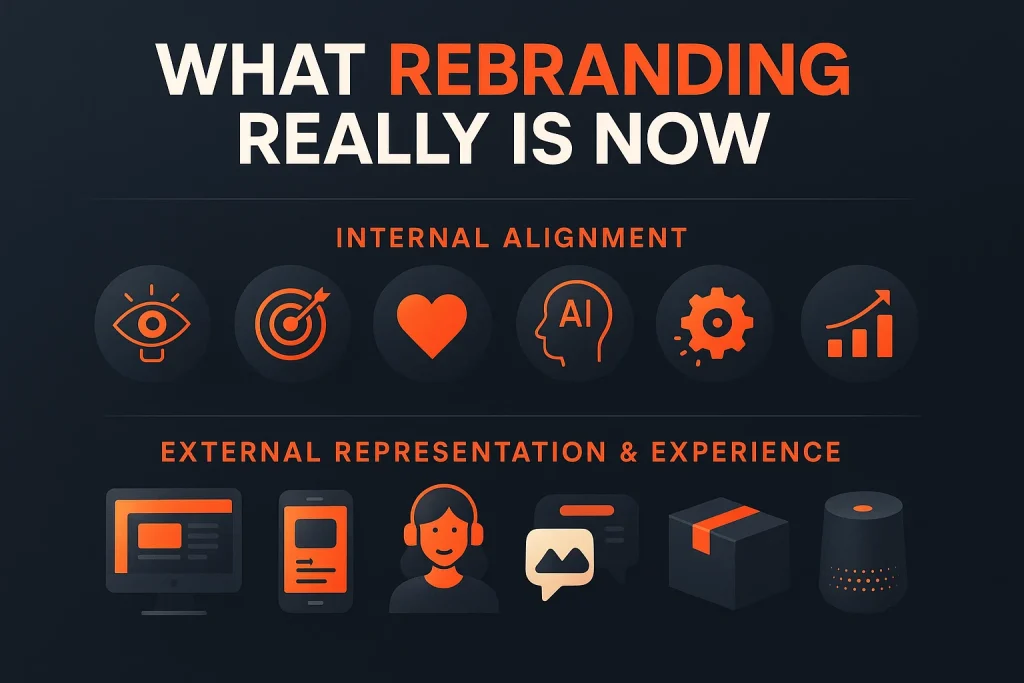
what-rebranding-really-is-now
1.1. What Rebranding Really Is Now?

Traditionally, rebranding was often linked to a visual revamp – new logo, new colours, new typography. But businesses today are being transformed by rapidly shifting customer expectations, evolving technologies, environmental and ethical demands, and new competitive dynamics, particularly in the digital, AI, and data-driven platforms.

Hence, rebranding has two major dimensions:

  • Internal Alignment: Making sure that the vision, mission, values, business model and technical capabilities are aligned. If a company is headed toward more AI, more automation, more personalization or data-driven services, its brand must reflect that in brand positioning, purpose and culture.
  • External Representation & Experience: All touchpoints, including the website, product UI, customer service, marketing content, packaging, social media, and even voice assistants, must echo the new reality. Consistency, not visually but verbally, conceptually, and experientially, also becomes critical.
2) Future-Proofing the Brand

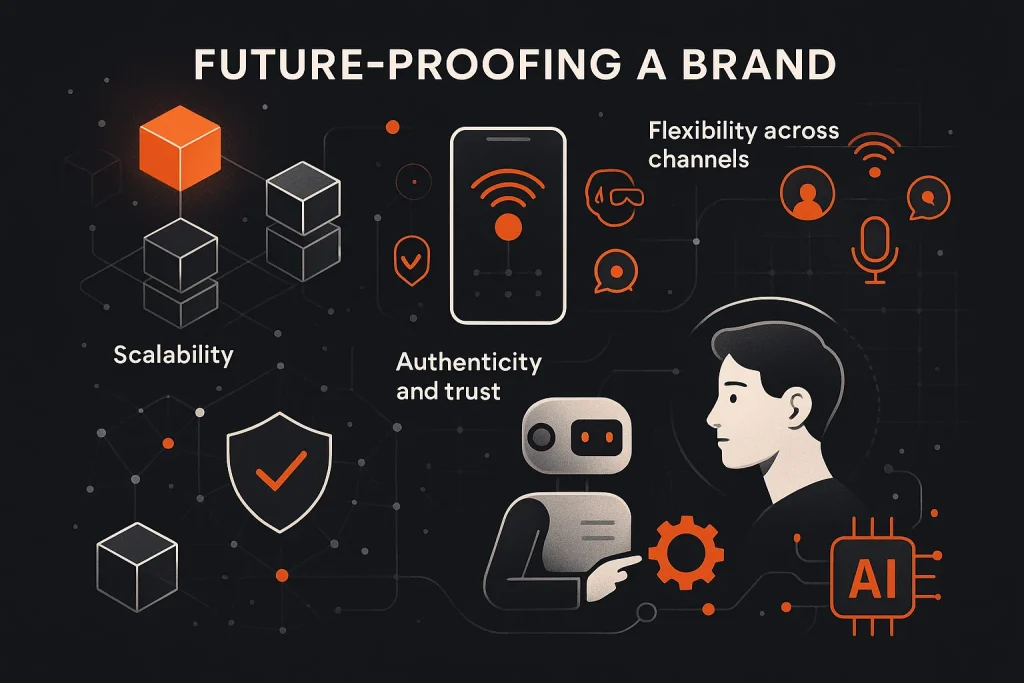
A rebrand is an opportunity to future-proof the brand. Some of the points which have to be taken into account today:

  • Scalability: As brands expand internationally across digital platforms, they need to have systems (processes + technologies) that allow for the scale of delivery without the explosion of cost.
  • Flexibility: Branding flexibility across different channels (social media, voice search, AR/VR, chatbots, etc.) without losing core identity.
  • Authenticity & Trust: Consumers are becoming more interested in values, ethics, and transparency. A brand that is seen as “manufactured” or “disconnected” will lose trust fast. Rebranding needs to include not only what you say but also how you behave.
  • Data & AI Integration: If you are integrating AI into your product or service, your brand should do so as well. And, on the brand side, AI can be used to assist with brand operations, content generation, asset management, and personalization. For many brands, rebranding is a process of investing in new tools, new workflows, and new people.

Positioning is no longer a tagline: positioning is what the brand does, what it says it will do, and how it acts in real-time.
 

branding-tips
3) The Way AI is Transforming the Rebranding Process

AI is not only accelerating the design process but also changing the workflow, expectations, and abilities of brand teams. These are important methods through which AI gets in and changes rebranding.

3.1. Creative Idea Generation with Generative AI
  • Creative Brainstorming: Generative AI models (text, image, and multimodel) can produce many more variants of ideas in the initial stages, such as logo ideas, changes in taglines, and voice/tone tests. These promote creative divergence: more permutations to make, and there are ideas that human beings might not come up with.
  • Speed and Iteration: It used to take weeks of sketching or agency back and forth to prototype something; now it can be done in hours. Quick draughts enable expediency in the stakeholder responses, premature failures and corrections.

But, raw AI results are inevitably required human processing and refinement.

3.2 Brand Identity System Generation Assist & Visual Design Assist
  • The AI tools can create not just logos, but complete identity systems, colour palettes, typefaces, templates, iconography, patterns, and guidelines of imagery. Certain tools also transform visuals across platforms automatically.
  • AI-based style transfer algorithms can be used to transform existing content and refashion it to fit new brand specifications (e.g. transforming older assets into a new design voice) or include seasonal/thematic modifications without changing overall visual identity.
  • We can impose visual consistency through the use of AI: e.g. automated detection of the use of off-brand logo, violations of colour, misuse of fonts. It is not necessary to manually scan each asset anymore.
3.3 Brand Voice, Messages, and Consistency of Language
  • Natural Language Processing (NLP) tools may be used to maintain the tone, voice, vocabulary, grammar, and style (e.g. across various materials, such as on the website, on social media, and with customer messages). Artificial intelligence can highlight a mismatch of tones or even provide more on-brand suggestions. 
  • Customization becomes simpler: With the audience data, AI may assist in customizing the messages to demographics (by culture, region, user preferences) without changing the fundamental brand voice.
  • Content generation: AI is able to generate the drafts of blogs, social media posts, product descriptions, etc., which can then be polished by human editors. This makes brands keep pace with demand and remain consistent in a large number of channels.
3.4 Asset / Workflow Efficiency & Governance
  • Asset management: moving old assets to new guidelines. Securing the old visuals or marketing content to be retired or renewed. All cases of an old logo or a colour may be found with the help of AI and should be replaced or flagged automatically.
  • Compliance, brand risk: Compliance tools can minimize mistakes. The legal or regulatory compliance (e.g. making sure claims in messaging are not inconsistent, affording the possibility of trademark infringement) across various jurisdictions can also be assisted by AI. 
  • Dynamic style guides version-controlled: AI or AI-assisted tools can create new style guide resources, and people can check their adherence to it (e.g. a content-creator posts something; AI determines whether the font, colour, etc. match).
3.5 Data-Driven Decision Making
  • Research and insight: AI allows investigating and processing of lots of data (feedback, reviews, social media, metrics of usage) to comprehend what the current perceptions of a brand are, what needs to be altered, and what should be valued.
  • It is more efficient to conduct A/B testing of various messages, visual communication, and even alternative brand identities with the help of AI.
  • Predictive analytics: AI helps to make decisions ahead of time, making brands evolve as opposed to responding to industry changes. E.g., seeing changes in tone/values within an industry or among consumers, and predicting them during rebranding.
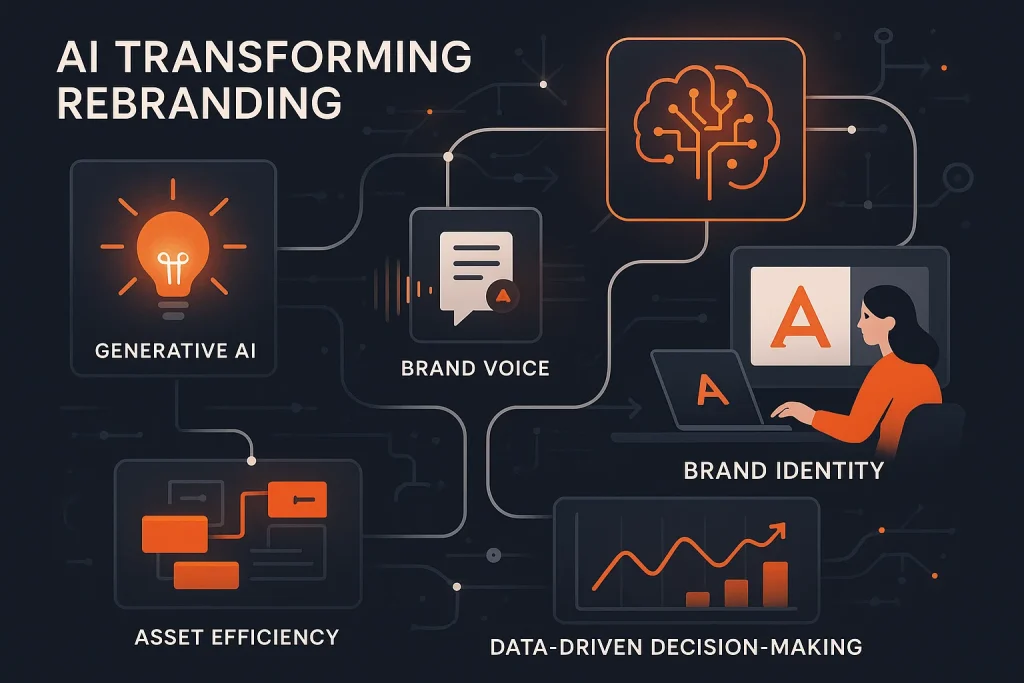
rebranding-innovation-2025

4) The tradeoff between Innovation and Brand Integrity: The Issues and Risk

Although AI has strong capabilities, it creates new threats. These risks must be dealt with deliberately in the case of rebranding with AI.

4.1 Creativity, Authenticity, and Uniqueness Lost
  • Generic outputs: Due to the fact that most AI tools are trained on the same or similar data, some of the results are apt to repeat familiar patterns – there is a danger of the brands appearing to look or sound alike. 
  • Emotional context: AI does not understand context, culture, or emotion; it may be insensitive to diverse, local, vernacular, or cultural values. A message can be generic.
  • Brand voice watering down: When numerous individuals in the organization use AI prompts too much instead of edited messages, the unique voice of a brand may be diluted. As an example, when optimized towards engagement metrics, a brand might not be seen as authentic. 
4.2 Ethical, Legal and Copyright Issues
  • Problems in training data: AI models are commonly trained with scraped or open datasets. Copyright or trademark difficulties may occur when the outputs are too close to any existing designs or the training data contains copyrighted information without a licence. 
  • Biases and impartiality: When training data is biased towards society, then the outputs of AI might reinforce stereotypes or marginalisation. Global brands have a tangible threat of cultural insensitivity or unintentional offence. 
  • Openness and credibility: Customers are becoming more concerned about the way in which brands apply AI. In case the brand is greatly dependent on AI in its identity or messages, but does not make real efforts, it may not be well-received. 
  • Regulatory / privacy risks: Personalization based on the use of customer data should be in accordance with data protection legislation (GDPR, CCPA, etc.). Errors may result in regulatory risks and loss of reputation.
  • Legal risk in images and statements: In case the images created using AI duplicate the trademarks that exist, or in case the marketing texts created by AI turn out to be unverified commitments.
4.3 Operational Risks and Resistance
  • Over-dependence: When relying on AI tools excessively without human supervision, it can result in inconsistent or off-brand output.
  • Complexity of the workflow: The concepts of introducing new tools, training personnel, and updating the processes consume time, resources, and change management. It is not a set-and-forget thing; therefore, using AI  for rebranding without human input can be risky.
  • Perception risks: In case the stakeholders (employees, customers, partners) get the impression that the brand is being overly machine-made, it may cause perceived authenticity to go down. In a similar case to certain research studies, AI-generated designs were regarded as less creative or authentic. 
best-practices-for-rebranding

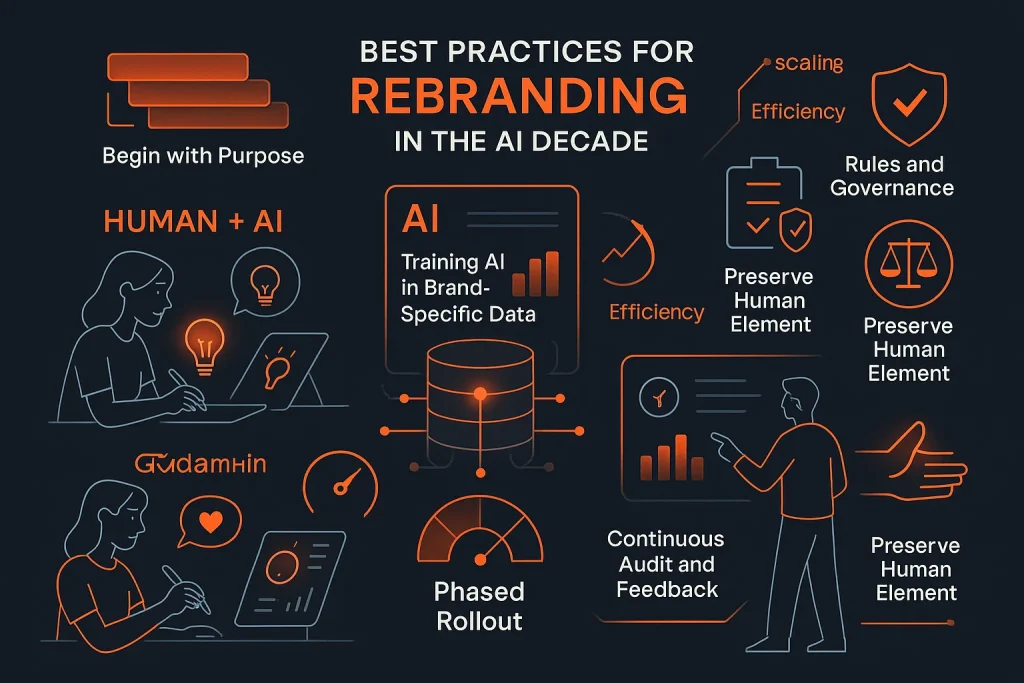
5) AI-Enabled Rebranding Best Practices and Principles
 
The brands, rebranding in the AI decade to use the advantages without falling into the traps, should embrace the following principles and practices.
5.1 . Begin with purpose
  • What is the purpose of rebranding: what do you hope to achieve by changing, what would your customers gain or what industry changes are influencing it.
  • State the fundamental identity of the brand (values, personality, differentiators) prior to involving AI. These constitute constraints/guardrails of AI.
5.2. Human + AI Collaboration
  • AI helps to ideate, scale, and improve efficiency, while human creative leadership helps to refine, direct, and add authenticity.
  • During the initial stages, style should be dictated by human designers, and progressively incorporate AI to assist and scale.
5.3. Rules, Regulations, Controls
  • Establish or revise brand guidelines to monitor AI-generated brand materials in terms of visual, voice & tone, ethics, and legal.
  • Create in-house policies regarding the use of AI: what AI tools, what data, who is monitoring results, attribution and ownership, etc.
5.4. The Models / Tools are to be Trained on Your Brand
  • Where feasible, leverage proprietary information, internal history of brand assets, previous messaging, and actual feedback of real customers to condition or refine AI models, so that the results are representative of your individual brand history and personality.
5.5. Layered and Phased Rollout
  • Do not attempt to change everything at a single stroke. Rank touchpoints: which are the most visible or the most important (e.g. digital, customer service, product).
  • Pilots test some channels or markets, gather comments, and modify.
5.6. Continuous Audit & Feedback
  • Install monitoring devices to indicate off-brand behaviour, visual discrepancies, and tone aberration.
  • Do measurements of brand perception, trust, consistency, and recognition. Gather quantitative (polls, usage rates) and qualitative (clients’ feedback, focus groups) data.
5.7. Ethical Transparency
  • Be transparent inside and outside regarding the application of AI.
  • Make sure that the rights to ownership, copyright, and the source materials are not infringed.
  • Be diverse, cultural, private, and fair with your use of AI
5.8. Preserve the Human Element
  • Narratives, tales, and sympathetic communication are important. AI may assist in repeating, but human experience is unique, and it creates an emotional bond.
  • When it comes to creative implementation (photography, storytelling, design flourishes), human touch can readily be the factor.
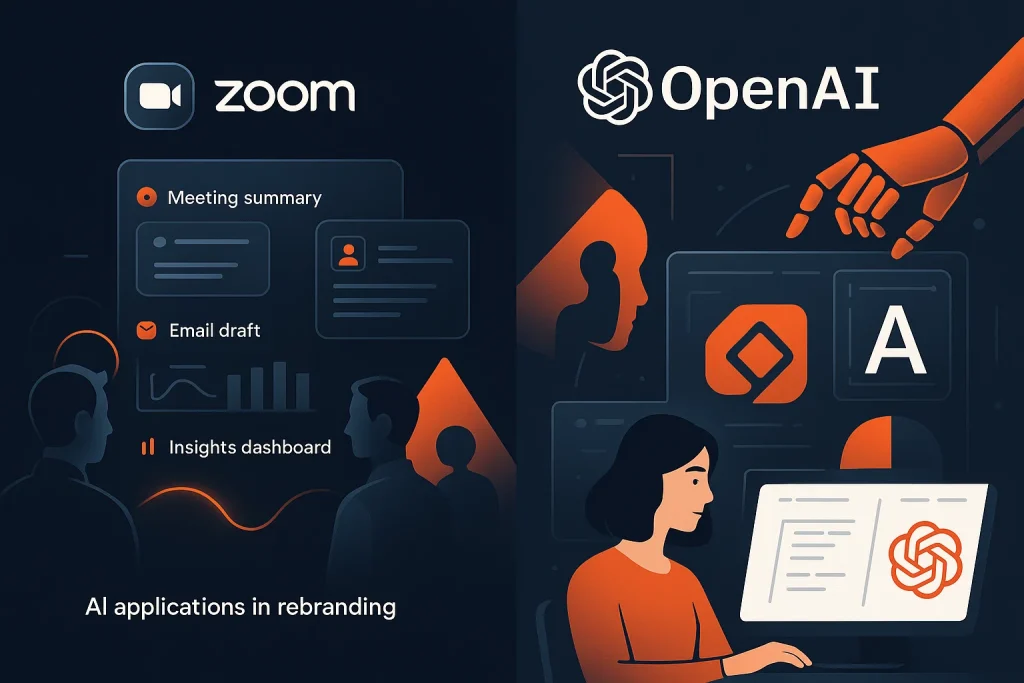
AI Application Examples and Case Studies

6) AI Application Examples and Case Studies.

The following are specific illustrations of AI applications in rebranding, where AI is being used by the brands for the rebranding processes:

6.1.  Zoom: Reinventing as an AI-First Company

Zoom was rebranded as Zoom Communications Inc., with an AI-first approach. This rebranding goes beyond a cosmetic change; it signifies their move towards incorporating AI-oriented features (e.g. summarization, email preparer, meeting insights) to make the work experience different. 

Lessons:

  • Rebranding was the alignment of the company name and identity with its dynamic product roadmap.
  • It had to change internally: investments in technology, product positioning, and advertising.
  • It also increased the expectations: the brand is now required to provide actual AI-based value and not mere market rhetoric.
6.2. OpenAI’s New Visual Identity

OpenAI also changed its logo and adopted a new typeface (OpenAI Sans), and improved the colour palette, which is intended to make it look more organic and human. Designers harmonised the accuracy of geometry with more accessible building elements. Part of an AI application (e.g. type weight computation) supplements human design.

Lessons:

  • Small details can convey large changes: even small changes (spacing of logos, the changes in a typeface) can pass the message of change.
  • Human-AI interaction: AI is employed as an aid, not as a substitute, and human designers guide the design.
  • Focus on the approachability and humanization – a recognition of the fact that tech brands should be warm, trusted, and approachable.
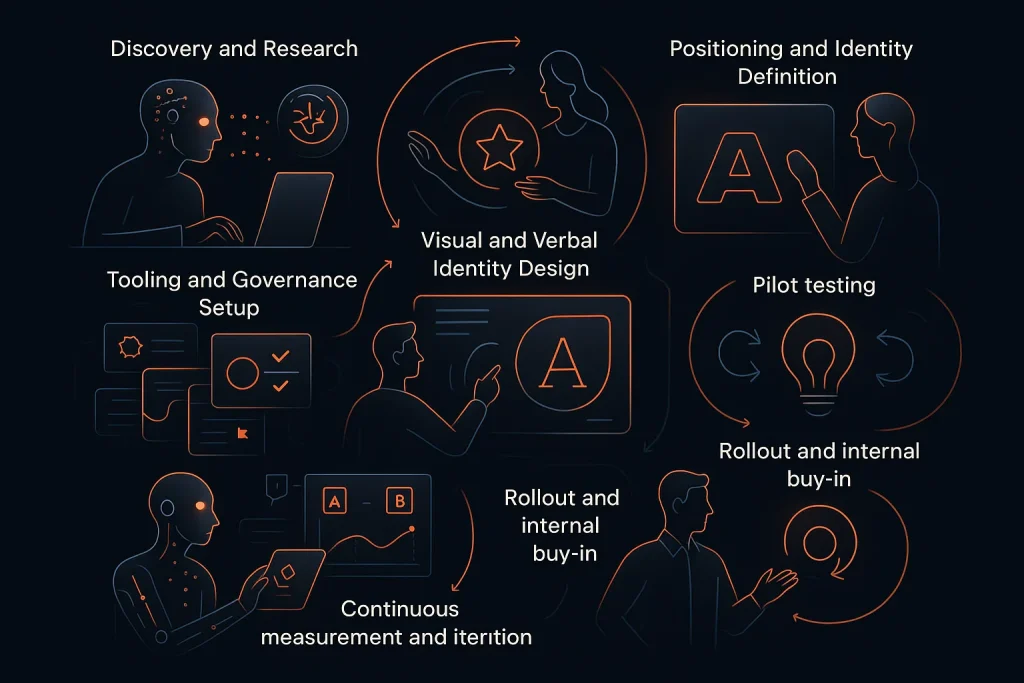
Rebranding Strategy Framework in the AI Decade

7) Rebranding Strategy Framework in the AI Decade.

Rebranding in the AI  age will not be just a new logo or tagline but a redefining of how a brand learns, develops and networks in an AI-driven world. The brands can find a viable model to sail through this shift and be innovative and in charge, as shown below.

7.1. Discovery & Research

Begin with deep listening. AI can analyse customer feedback, identify market trends and competition. Balance evidence-based decision-making and human judgment to achieve cultural insights and offline facts.

7.2. Positioning and Identity Defining

Rediscover mission, values and brand personality. Artificial intelligence can help to test the message, make experiments with the wording, pursue creative paths, but the most crucial storyline must remain the story that is genuinely human. It is supposed to be understandable, not to conform.

7.3. Identity Design: Visual and Verbal

Use human imagination and the generative abilities of AI to design. AI can be leveraged to test design, colour palette, and tone of voice, but all that should be meant to work with your brand’s strategic purpose and emotional appeal.

7.4. Tooling & Governance Setup

Design the system to develop your brand on a long-term basis. AI can be used to automate templates, compliance checks and asset management, but human control is required to ensure brand integrity and intent.

7.5. Pilot & Testing

Carry out a pilot test to introduce new images and text. Quickly conduct A/B tests, conduct feedback analysis, and sentiment monitoring using AI to enable you to make minor adjustments to your product before making it entirely available.

7.6. Rollout & Internal Buy-In

Rebranding is internal and external at the same time. Optimize asset updates and consistent tracking using AI and invest in human-controlled training and narratives to produce a phenomenal buy-in between teams.

7.7. Measurement & Iteration

Work your brand as a living system. Use AI-driven analytics and sentiment analysis to measure awareness, trust, and consistency and repeat the process on an ongoing basis on the foundation of real-life responses and cultural change.

The successful rebrands of the AI era will not be replaced by the AI tools but create the appropriate balance between automation and the human touch applied to them, which makes them authentic.


8) Metrics & KPIs to Track

Here are some of the metrics that the brands must monitor to gauge success in rebranding:
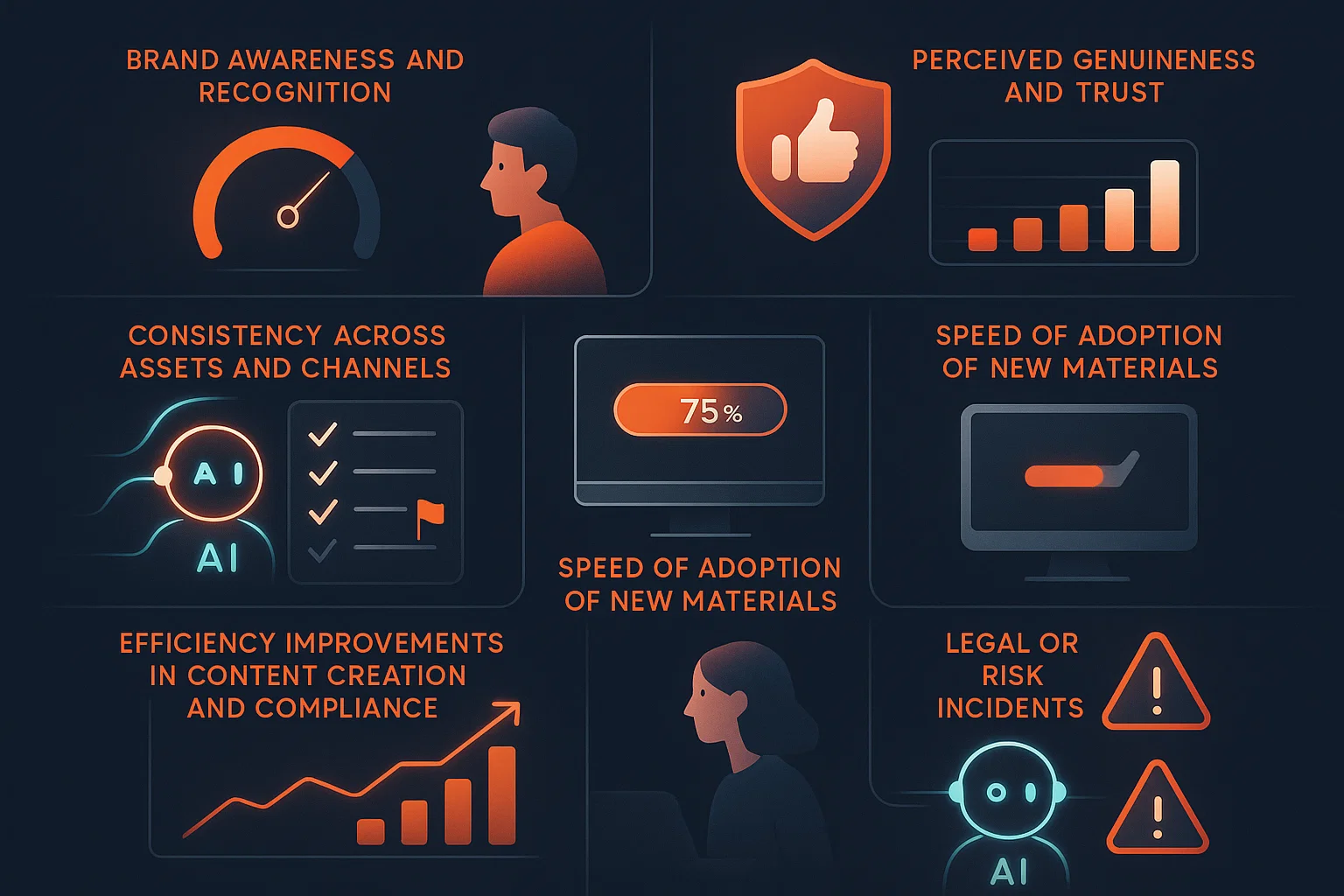
Metrics KPIs to Track

  • Brand awareness/recognition: pre-rebrand and post-rebrand brand tracking, Surveys, and recall studies.
  • Perceived genuineness / belief: Customer feeling, trust scores, reviews.
  • Consistency: Count of off-brand assets flagged, visual inconsistencies, and channel deviations of the message.
  • Speed of adoption: How fast are old materials depreciated/changed; internal ease of use and comfort with new tools and guidelines.
  • Efficiency improvement: Time is saved in the creation of content, costs of compliance are decreased.
  • Engagement indicators: Are new visuals or voice-based engagements more effective (clicks, shares, dwell time, retention) to audiences?
  • Legal / risk incidents: Any problems with copyright, regulatory non-compliance.

9) Major Pitfalls of Using AI in Rebranding.

Here are some of the pitfalls we can face when using AI in rebranding:

  • Blandness: When many brands employ similar AI tools, which have a matching prompt, it will become homogenized. Brands are becoming similar. The danger is that you will get generic in the course of being modern/scalable.
  • Consumer-backlash / authenticity issue: Once customers find out that the visuals or message have been created with a high degree of AI-generated content without any form of guarantee, they will be doubtful of the brand. Moreover, the reputational harm occurs due to the possibility that AI output is derivative or otherwise IP-breaching.
  • Overpromising: The rebrands that claim they will do everything they can with AI and fail to do it – consumers may feel betrayed.
  • Culture misfit: It happens that sometimes the brand promise fails to fit the internal culture or capability. E.g. you promote the brand as an AI brand, yet the customer care service is manual and slow, which creates a gap.
  • Lack of attention to human voice: The tone is unheard in the situation when it is all generated automatically. Delicate but important narrative or storytelling facts are lost.

10) Recommendations on the Responsible Implementation of AI

Here are the recommendations to make AI use in the rebranding process accountable:

  • Openness and Honesty: Be transparent about what is AI-generated, and ensure the contents are not misleading. Utilise ethically sourced datasets; copyright has to be respected.
  • Bias Audits: Frequently, the audits of AI-generated content are conducted to identify bias (gender, race, culture, etc.). Engage different teams and opinions on the output reviews.
  • Supervision by human beings on every level: Beginning with the idea, up to the finished product, human inputs need to be there to correct and give approval.
  • Data protection/privacy: When personalization is involved, use the customer data, also ensure that the use of customer data is legal. Use anonymity where required.
  • Life-long learning: The AI tools constantly evolve and, therefore, observe the new features, opportunities, new risks, and incorporate feedback loops.
Rediscover Rebranding in the Age of AI

Rebranding is not an option for the AI decade but a requirement for numerous businesses. The marketplace is evolving at a frightening pace: customers want the brands to act cleverly, be predictable, fast, to be transparent, and display values. A brand that is outdated will be dead.

Rebranding does not imply cosmetic change. It must be tactical: It must fit the reasons and look simple on the surface, combine human resourcefulness with artificial intelligence, authenticity, and risk mitigation. Well-executed brands will enjoy considerable acceleration with rebranding, with the use of AI in velocity, uniformity, magnitude, and advancement.  Rebranding with AI will provide a substantial competitive advantage for brands.

Have you already experimented with AI in your branding or rebranding process? What results did you achieve? Let’s discuss in the comments!


d525ceaee11862a41343afdd05eeb9e03cc8502270863e10f352a11c7b241df5?s=96&d=mm&r=g

Abirika

Abirika Soolabanee working as a Senior Manager - Inbound Marketing & Branding at Prime One Global. She is a certified content and Inbound marketer with five years of experience. Bringing expertise in content marketing, inbound marketing, branding, blogging, copywriting, SEO, keyword research, and research & analytics. She is passionate about Inbound Marketing, Branding and Blogging. She writes in-depth articles and guides about digital marketing trends, technologies, and other lifestyle topics since 2018. Through her writings, she loves to help people in all aspects of their life.

All Posts

Share this article:

Read More
10 MarBrandingBrand Activation

Top 8 Global Branding Strategies to Create an International Brand in 2024


In today’s fast-paced, interconnected world, the dream of creating a global brand is within reach like never before. With technological advancements and seamless communication channels, businesses of all shapes and sizes can now engage with consumers on a global scale. However, while the opportunities are vast, so are the challenges. How can you navigate this complex landscape and ensure your brand stands out amidst the competition? How do you build a brand that resonates with diverse audiences across continents and cultures? Join us as we explore the key strategies for crafting a global brand in 2024. Let’s dive in!

Top 8 Global Branding Strategies for 2024


1. Understanding the Global Landscape

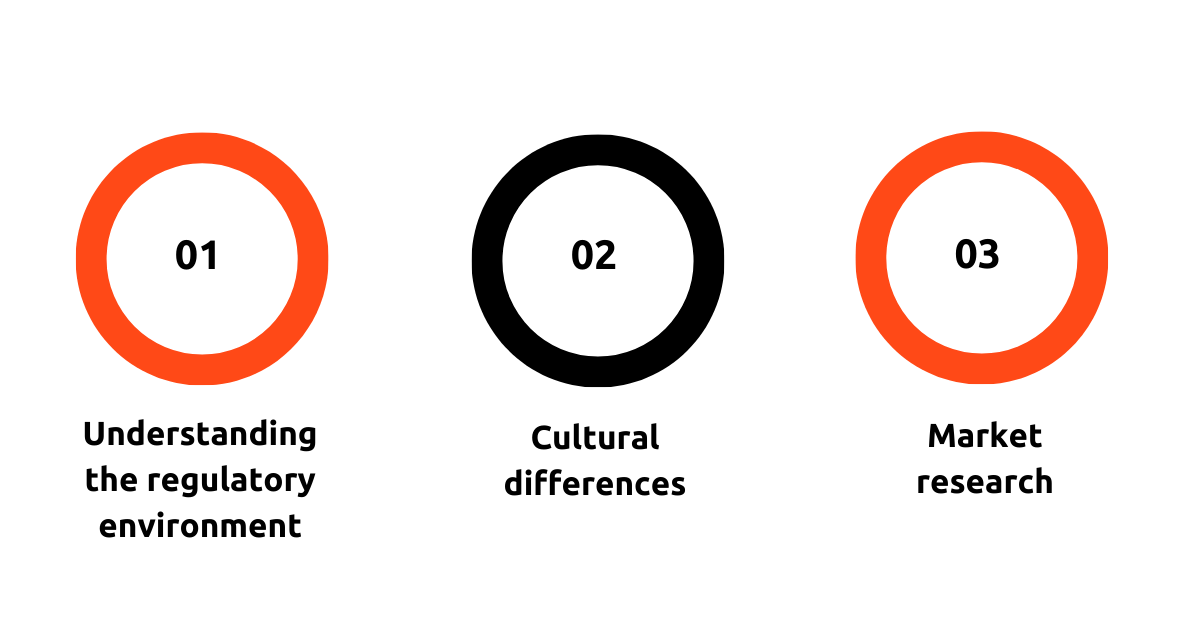
Understanding the global landscape is a crucial aspect of developing a successful global branding strategy in 2024. In today’s interconnected world, businesses aiming to create an international brand must possess comprehensive knowledge of various factors such as cultural nuances, market trends, consumer behaviours, regulatory frameworks, and competitive landscapes across different regions. By thoroughly understanding the global landscape, companies can tailor their branding strategies to resonate with diverse audiences while maintaining consistency and relevance. This involves conducting thorough market research, analyzing consumer preferences, and adapting branding elements such as messaging, imagery, and product positioning to suit local tastes and preferences.

branding-strategies-understanding-the-global-landscape

Moreover, understanding the global landscape enables brands to navigate complexities such as geopolitical tensions, economic fluctuations, and technological advancements, thereby minimizing risks and maximizing opportunities for growth and expansion on a global scale. In essence, incorporating a deep understanding of the global landscape into branding strategies empowers businesses to build strong, recognizable international brands that effectively engage with consumers worldwide while staying agile and responsive to evolving market dynamics.

2. Consistent Brand Identity

Consistency in brand identity is one of the paramount branding strategies for creating a successful international brand in 2024. In an increasingly interconnected world, where consumers are inundated with choices, a consistent brand identity serves as a beacon, guiding consumers through the clutter and fostering trust and loyalty. Maintaining consistency across all touchpoints from visual elements like logos and color schemes to messaging, tone of voice, and customer experience  ensures that the brand presents a cohesive image regardless of geographic location. This consistency not only reinforces brand recognition but also builds trust and credibility among consumers, regardless of where they are in the world. A consistent brand identity also helps to streamline operations and communication internally, ensuring that employees across different regions understand and embody the brand’s values and promises. This alignment fosters a sense of unity and purpose, driving collective efforts towards achieving global brand objectives.

branding-strategies-consistent-brand-identity

Moreover, in an era where digital channels play a crucial role in brand communication, consistency is key to creating a seamless and memorable online experience for consumers. By maintaining consistency across websites, social media platforms, and other digital channels, brands can enhance engagement, build relationships, and drive conversions on a global scale. By presenting a unified and cohesive brand image across diverse markets, brands can establish trust, drive loyalty, and ultimately, achieve sustainable growth and success on a global stage.

3. Localization

Localization is one of the pivotal branding strategies for crafting an international brand in 2024. In essence, it involves tailoring branding elements to suit the unique cultural, linguistic, and contextual preferences of target markets worldwide. This approach recognizes that a one-size-fits-all approach to branding often falls short in resonating with diverse global audiences. Localization extends beyond mere translation of content; it encompasses adapting messaging, imagery, product features, and even marketing strategies to align with local customs, values, and sensibilities. By doing so, brands can establish deeper connections with consumers, demonstrate cultural sensitivity, and foster a sense of authenticity and relevance in each market.

Localization

Embracing localization empowers brands to overcome barriers related to language, cultural differences, and consumer behaviours, thereby enhancing brand perception and driving engagement and loyalty among international audiences. Additionally, it allows brands to navigate regulatory requirements and market nuances effectively, positioning them for sustained success in an increasingly competitive global landscape. Ultimately, localization serves as a bridge between the global and the local, enabling brands to strike the delicate balance between maintaining a cohesive brand identity and adapting to the unique needs and preferences of diverse markets. In doing so, brands can unlock the full potential of international expansion, fostering growth, and cultivating lasting relationships with consumers worldwide.

4. Digital Presence and Social Media

Harnessing digital presence and social media is indispensable for creating a robust international brand. With the expansion of internet connectivity and the widespread use of social platforms, consumers around the globe are more connected than ever before. Thus, leveraging digital channels and social media platforms enables brands to engage with audiences on a global scale, fostering brand awareness, loyalty, and advocacy. A strong digital presence begins with a well-designed website that is not only visually appealing but also user-friendly and optimized for various devices and languages. This serves as the cornerstone of a brand’s online presence, providing a central hub where consumers can learn about products, make purchases, and interact with the brand. Social media platforms play a pivotal role in amplifying a brand’s reach and fostering meaningful connections with consumers worldwide. By crafting compelling content tailored to each platform and audience, brands can spark conversations, drive engagement, and cultivate brand ambassadors across borders. Additionally, social media offers valuable insights into consumer preferences and behaviors, enabling brands to refine their strategies and deliver more personalized experiences.

digital-presence-and-social-media

Moreover, in 2024, emerging technologies such as augmented reality (AR) and virtual reality (VR) present exciting opportunities for brands to create immersive and interactive experiences that transcend physical boundaries. By embracing these technologies, brands can differentiate themselves, captivate audiences, and leave a lasting impression in the digital realm. In essence, a strategic approach to digital presence and social media is essential for creating a successful international brand in 2024. By leveraging these channels effectively, brands can extend their reach, engage with diverse audiences, and establish a strong foothold in global markets, ultimately driving growth and fostering brand loyalty in an increasingly digital world.

5. Strategic Partnerships

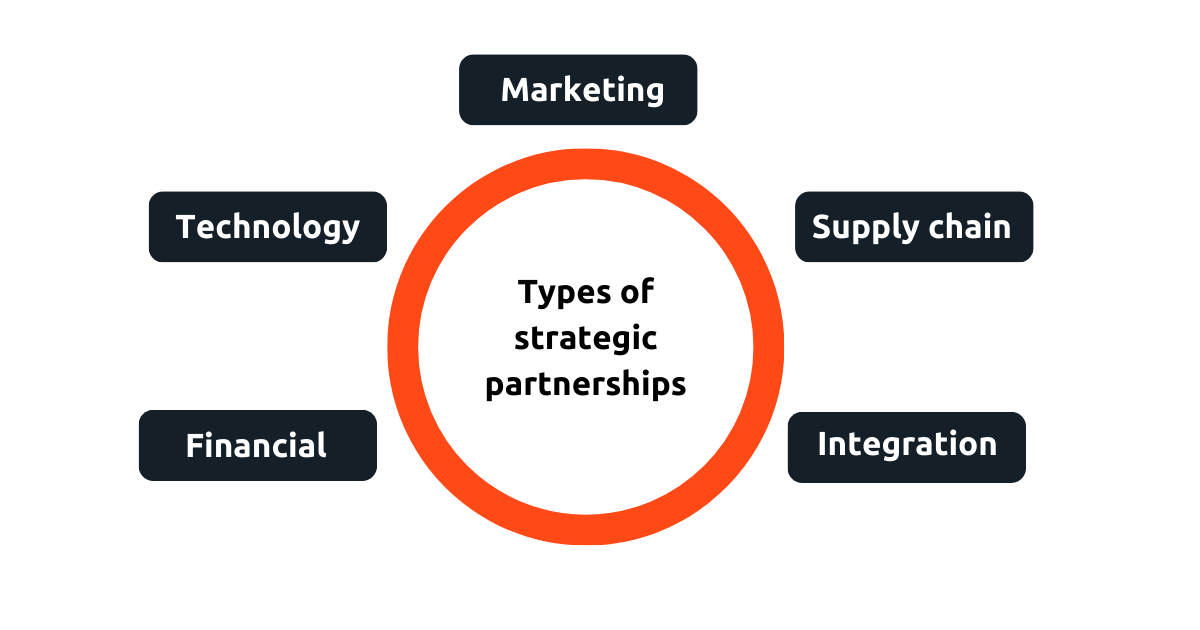
Strategic partnerships serve as a powerful tool for crafting an international brand in 2024. By collaborating with other businesses, organizations, influencers, or even governments, brands can leverage complementary strengths and resources to enhance their global presence and credibility. In the international arena, strategic partnerships enable brands to access new markets, channels, and customer segments that may have otherwise been challenging to penetrate independently. Whether through distribution agreements, joint marketing campaigns, or co-branded initiatives, partnerships provide avenues for brands to amplify their reach and relevance on a global scale. Moreover, strategic partnerships can help brands tap into local expertise, cultural insights, and networks, facilitating smoother market entry and adaptation to diverse regions and consumer preferences. This not only accelerates growth but also mitigates risks associated with unfamiliar territories, regulatory hurdles, and competitive landscapes.

strategic-partnerships

Furthermore, partnerships with reputable entities can enhance brand credibility and trust among consumers, particularly in markets where brand recognition may be limited. Associating with trusted partners lends legitimacy and reinforces the brand’s commitment to quality, reliability, and integrity, thereby fostering stronger connections with international audiences. Ultimately, strategic partnerships offer a strategic shortcut for brands to expand their global footprint, capitalize on emerging opportunities, and strengthen their position in the global marketplace. By forging collaborative relationships with like-minded partners, brands can unlock synergies, drive innovation, and create lasting value for themselves and their customers worldwide.

6. Customer Experience

Customer experience (CX) stands at the forefront of global branding strategies in 2024 as brands recognize its pivotal role in creating and sustaining an international brand presence. In an increasingly competitive and interconnected world, providing exceptional customer experiences transcends borders and cultures, driving brand differentiation and loyalty on a global scale. A customer-centric approach to branding entails understanding and anticipating the needs, preferences, and expectations of diverse international audiences. This requires brands to prioritize seamless, personalized interactions across all touchpoints, from pre-purchase research to post-purchase support. By delivering consistent and memorable experiences, brands can cultivate strong emotional connections with customers, fostering trust, satisfaction, and advocacy. This not only enhances brand perception but also generates positive word-of-mouth and referrals, amplifying the brand’s reach and influence across borders.

customer-experience

Moreover, in 2024, advancements in technology and data analytics enable brands to leverage insights to optimize and tailor customer experiences for different markets and segments. Whether through AI-driven chatbots, personalized recommendations, or omnichannel engagement strategies, brands can meet customers where they are, delivering relevant and frictionless experiences that resonate globally. Furthermore, prioritizing customer experience reinforces brand authenticity and integrity, demonstrating a genuine commitment to customer satisfaction and long-term relationships. This builds a foundation of trust and loyalty that transcends geographical boundaries, fostering brand resilience and longevity in an ever-evolving global marketplace. Placing customer experience at the core of global branding strategies in 2024 enables brands to differentiate themselves, drive engagement, and build lasting relationships with international audiences. By prioritizing seamless, personalized interactions, brands can create a competitive advantage, driving growth and success in the dynamic landscape of global business.

7. Corporate Social Responsibility (CSR)

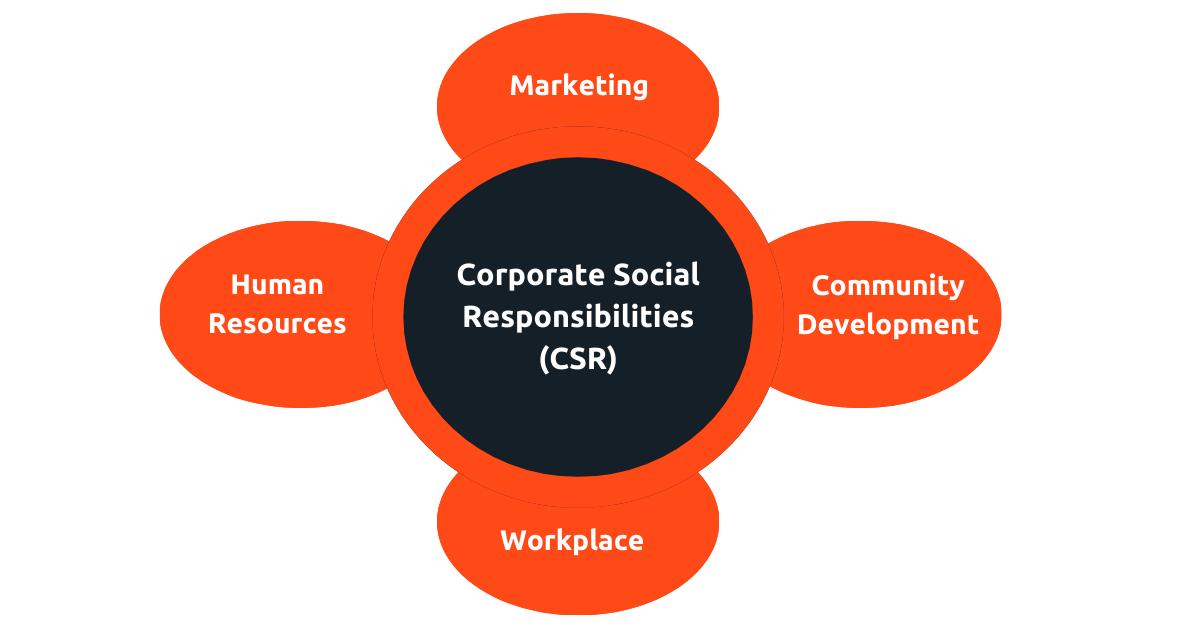
Corporate Social Responsibility (CSR) will emerge as a crucial component of global branding strategies in 2024, as brands recognize the importance of making a positive impact beyond financial performance. CSR involves integrating social and environmental concerns into business operations and interactions with stakeholders, including employees, communities, and the environment. In today’s interconnected world, consumers increasingly expect brands to demonstrate a commitment to social and environmental causes. By aligning CSR initiatives with their core values and brand identity, companies can differentiate themselves, enhance their reputation, and build trust with consumers worldwide. CSR initiatives provide opportunities for brands to address pressing global challenges, such as climate change, poverty, and inequality, while also creating tangible benefits for communities and the environment. Whether through philanthropy, sustainability initiatives, or ethical business practices, brands can leverage CSR to drive positive change and contribute to the well-being of society.

corporate-social-responsibility(CSR)

Moreover, CSR initiatives have become a key driver of consumer loyalty and purchasing decisions, particularly among younger generations who prioritize brands that align with their values. By showcasing their CSR efforts transparently and authentically, brands can attract and retain customers, foster brand advocacy, and ultimately, drive business growth and success in the global marketplace. Furthermore, in an era of heightened social and environmental awareness, CSR can also attract and retain top talent, as employees seek purpose-driven organizations that prioritize social responsibility and ethical conduct. By engaging employees in CSR initiatives, brands can boost morale, productivity, and retention, while also strengthening their employer brand on a global scale. Incorporating CSR into global branding strategies in 2024 is essential for brands looking to create a positive impact, build trust, and drive sustainable growth in an increasingly conscious and interconnected world. By demonstrating a genuine commitment to social and environmental responsibility, brands can enhance their reputation, attract loyal customers and employees, and contribute to a better future for society and the planet.

8. Continuous Adaptation

Continuous adaptation is a cornerstone of global branding strategies in 2024, reflecting the dynamic nature of the global marketplace and the ever-evolving needs and preferences of consumers worldwide. In today’s fast-paced and interconnected world, brands must remain agile and responsive to changing trends, technologies, and market conditions to stay relevant and competitive on a global scale. This strategy involves a commitment to ongoing innovation, iteration, and refinement across all aspects of branding, including product development, marketing strategies, customer experience, and communication channels. By embracing a culture of continuous adaptation, brands can anticipate shifts in consumer behaviour, emerging market trends, and competitive landscapes, enabling them to seize opportunities and mitigate risks proactively. Moreover, continuous adaptation empowers brands to tailor their offerings and messaging to resonate with diverse audiences across different regions and cultures. Whether through localization efforts, targeted marketing campaigns, or product enhancements, brands can stay attuned to the unique needs and preferences of international markets, fostering stronger connections and loyalty among global consumers.

continuous-adaptation

Furthermore, in an era characterized by rapid technological advancements and disruptive innovation, continuous adaptation is essential for brands to stay ahead of the curve and capitalize on emerging opportunities. By embracing new technologies, digital channels, and business models, brands can differentiate themselves, drive innovation, and create sustainable competitive advantages in the global marketplace. Continuous adaptation is a fundamental global branding strategy in 2024, enabling brands to navigate complexity, drive growth, and build lasting relationships with consumers worldwide. By remaining agile, innovative, and customer-focused, brands can thrive in an ever-changing landscape, positioning themselves for success in the dynamic world of global business.

# Conclusion

Creating a global brand in 2024 requires a blend of consistency, localization, digital savvy, strategic partnerships, customer-centricity, and social responsibility. By understanding the variations of different markets and embracing cultural diversity, businesses can build a strong international presence that resonates with consumers worldwide. With a well-executed branding strategy, the possibilities for global expansion are limitless.

Are you ready to craft your brand’s international journey? Let us know your unique branding strategies in the comments!


All Posts

Share this article:

  •  
  •  
  •  
Read More
05 FebBrand Activation

15 Most Innovative Brand Activation Ideas for Success in 2024

Picture of Abirika

Abirika

Table of Contents

  • 1. Master in Crafting Marketing Strategy
  • 2.Content Creation and Story Telling
  • 3. Marketing Automation
  • 4. Social Media and Community Management
  • 5. Data Literacy and Data Analytics
  • 6. Expertise in Search Engine Optimization
  • 7 Email Marketing Mastery

Want to grow your brand presence and reach more of the consumers who matter to your business? As we usher in 2024, brands are seeking innovative ways to engage their audiences with their brand’s message, products, and services and leave a lasting impression. With so much noise on the internet and a flood of competitors fighting for market share, brand activation has become a key strategy to connect with consumers on a deeper level. In this article, we will provide you with a list of brand activation ideas that you might consider using.

These innovative brand activation ideas will help you connect with your target consumers in authentic ways. Let’s check them out one by one!

📌 What is brand activation? 📥

Brand activation, a relatively recent addition to the marketing thesaurus, has gained prominence in recent years and is now a pivotal component of comprehensive event marketing strategies. Its essence lies in fostering company awareness through direct engagement with the target audience. This engagement takes shape through various event types, formats, and marketing campaigns, all with the overarching goal of crafting a distinct consumer experience that elevates a company’s visibility and brand awareness.

innovative

📌 Benefits of Brand Activation

Brand activation offers a myriad of advantages for businesses, creating dynamic opportunities to engage with their target audience and build a stronger brand presence. Here are some key benefits:

  • ✅ Increased Brand Awareness: Brand activation initiatives help elevate brand visibility by creating memorable experiences. This heightened visibility can lead to increased recognition and recall among the target audience.
  • ✅ Enhanced Customer Engagement: Through interactive and experiential activities, brand activation fosters direct engagement with customers. This personal connection goes beyond traditional advertising, capturing the audience’s attention and interest.
  • ✅ Improved Customer Loyalty: Meaningful brand experiences create a lasting impact, fostering a sense of loyalty among consumers. When customers have positive interactions with a brand, they are more likely to remain loyal and become advocates.
  • ✅ Differentiation in a Competitive Market: Brand activation allows businesses to stand out in a crowded market. Unique and innovative activations set a brand apart from competitors, helping it carve a distinct identity and positioning in the minds of consumers.
  • ✅ Product and Service Education: Activations provide an opportunity to showcase product features and benefits in a hands-on manner. This direct interaction aids in educating consumers about the brand’s offerings, increasing understanding and appreciation.
  • ✅ Immediate Impact on Sales: Well-executed brand activation campaigns can drive immediate sales. Whether through promotions, exclusive offers, or product demonstrations, these initiatives encourage consumers to make purchasing decisions on the spot.
  • ✅ Positive Brand Associations: By associating the brand with positive emotions and experiences, brand activation contributes to shaping a favourable brand perception. Consumers are more likely to have positive associations with a brand that invests in creating engaging experiences.
  • ✅ Social Media Amplification: Successful brand activations often generate social media buzz. Attendees and participants share their experiences on various platforms, leading to organic word-of-mouth marketing and increased reach across online channels.
  • ✅ Adaptability to Various Channels: Brand activation is versatile and can be adapted to various channels, including in-person events, digital platforms, and social media. This flexibility allows brands to reach a diverse audience and tailor activations to specific channels.
  • ✅ Measurable Impact: Many brand activation initiatives are measurable, allowing businesses to assess the success of their campaigns. Metrics such as audience engagement, social media mentions, and sales figures provide valuable insights for future strategies.

Top 15 Innovative Brand Activation Ideas for 2024


1. Create a Unique 🛸 Customer Experience

At the core of any reputable business is the commitment to delivering a unique customer experience, setting it apart from competitors. Crafting a unique customer experience is an artful blend of personalized interactions and innovative approaches that leave a lasting impression. It involves tailoring every touchpoint in a way that resonates with the individual preferences and needs of customers. From seamless online interactions to in-person encounters, a unique customer experience transcends the ordinary, providing a sense of value and connection.

brand

By understanding and anticipating customer expectations, businesses can curate memorable moments that foster loyalty and set themselves apart in a crowded market. Embracing creativity, empathy, and attention to detail, the journey towards a unique customer experience transforms transactions into meaningful relationships, leaving customers not just satisfied but genuinely delighted. By providing unique customer experiences, you can imprint lasting memories of your brand in your customers’ minds.

2. Offer Giveaways and Customer Promotions

Elevate your brand presence and customer engagement by incorporating enticing giveaways and promotions into your brand activation strategy. Giveaways, whether through product samples, exclusive discounts, or limited-time offers, create a sense of excitement and value for customers. These initiatives not only attract attention but also foster a positive perception of your brand.

offer giveaway promotions

By providing customers with tangible benefits, such as freebies or special promotions, you not only encourage immediate interest but also cultivate long-term loyalty. This dynamic approach boosts sales and serves as a powerful tool for building a robust and enthusiastic customer base. Stay ahead in the competitive landscape by leveraging the allure of giveaways and customer promotions to turn casual interest into lasting brand advocacy.

3. Solve Your Customers’ Problems

Empower your business by adopting a customer-centric approach, solve their problems, and you’ll not only meet their needs but also build trust and loyalty. Identify pain points and challenges your customers face, and tailor your products or services to provide effective solutions. By actively addressing their concerns, you position your brand as a reliable ally, demonstrating genuine care for your customers’ well-being.

customers problems

Whether it’s streamlining processes, enhancing features, or offering exceptional support, proactively resolving issues fosters a positive customer experience. This commitment not only strengthens your current relationships but also attracts new customers seeking a brand that goes the extra mile to meet their needs.

4. Make Your Brand History Fun to Learn

Transform your brand’s journey into an engaging and enjoyable story! By making your brand history fun to learn, you not only captivate your audience but also create a memorable connection. Share the highs and lows, milestones, and quirky anecdotes that shape your brand’s identity. Infuse personality into your narrative by utilizing visuals, humour, and relatable content to turn the pages of your brand history into a captivating story.

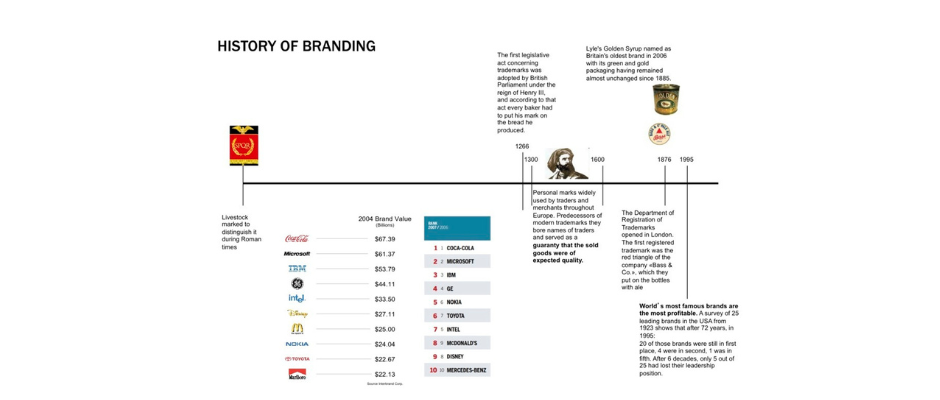
brand history

This not only educates your audience about your brand’s evolution but also fosters a sense of togetherness. When your brand history becomes a source of enjoyment, it transforms into a powerful tool for building lasting connections with your audience. So, dive into the narrative and let the storytelling adventure do the magic for your brand.

5. Give Your Target Audience What They Want

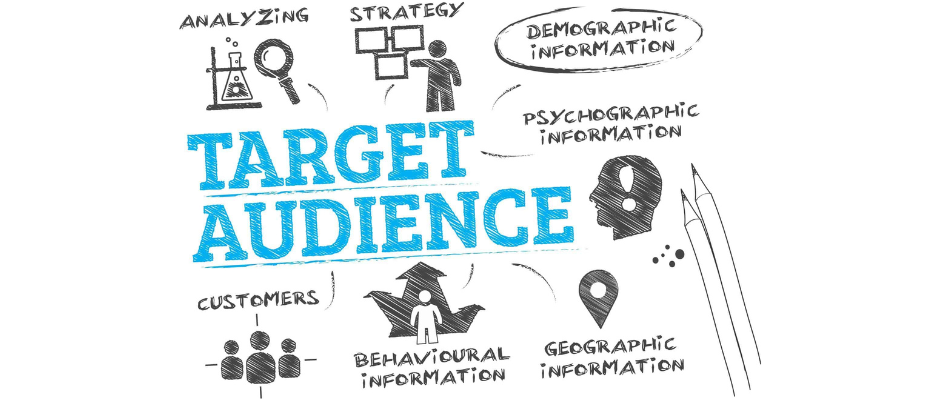
Unlock success by tuning in to the desires of your target audience. The key to capturing hearts and loyalty lies in delivering precisely what your audience craves. Conduct thorough market research, listen to customer feedback, and stay tuned to industry trends. By understanding their needs and preferences, you can tailor your products, services, and marketing strategies to resonate with your audience on a deeper level.

target audience analysis

Whether it’s innovative features, personalized experiences, or addressing specific pain points, giving your target audience what they want fosters a strong connection and positions your brand as a trusted provider. Elevate your offerings by staying in sync with the ever-evolving desires of your audience, and watch your brand thrive.

6. Make Use of The Latest Technologies

Elevate your brand activation strategies with cutting-edge technologies. Embrace the power of innovation to create immersive and unforgettable experiences for your audience. From augmented reality to virtual reality, leverage the latest technologies to capture and engage in ways that were once unimaginable. Interactive mobile apps, live-streaming events, and AI-driven personalization are some examples of the latest technologies that you can integrate into your brand activation approaches.

trends

By staying at the forefront of technological advancements, your brand not only stands out but also showcases a commitment to delivering forward-thinking, dynamic experiences. It’s time to redefine your brand activation in the digital era and leave a lasting impression with the help of the latest technologies.

7. Host Exclusive Brand Events

Step into the spotlight with exclusive brand events that turn moments into memories. Elevate your connection with customers by hosting events tailored just for them. Whether it’s an exclusive product launch, VIP access to behind-the-scenes experiences, or an intimate gathering, these events create a sense of exclusivity and strengthen brand loyalty.

brand strategy ideas

Engage your audience with unique, immersive activities that showcase your brand’s personality. The magic of these occasions lies in creating a space where customers feel not just appreciated but truly part of an exclusive community of your brand. Craft moments that leave a lasting impression and make your brand events unforgettable for your audience.

8. Involve Your Team in Your Approaches

Use the power of teamwork in your brand activation endeavours. Involve your team to infuse passion, creativity, and diverse perspectives into your brand activation efforts. Whether it’s brainstorming sessions, collaborative planning, or on-the-ground execution, the synergy of a united team enhances the impact of your brand initiatives. So, harness the collective strengths, skills, and enthusiasm of your team members to create authentic and compelling experiences.

team approaches

Their shared dedication not only amplifies the effectiveness of your brand activation strategy but also fosters a sense of pride and companionship within the team. Together, turn your brand activation into a collaborative journey that showcases the strength of unity.

9. Partner with Influencers in Your 🕹️ Niche

Amplify your brand activation game by joining forces with influencers in your niche. Partnering with influencers adds a dynamic and authentic touch to your initiatives. Their reach and credibility can put your brand in the spotlight, connecting you with a wider and more engaged audience. 

influencers

So, collaborate with influencers whose values align with your brand and let their unique voice and perspective resonate with the followers. From product launches to exclusive events, influencers bring a personal touch that fosters trust and relatability. By leveraging their influence, you not only enhance your brand’s visibility but also tap into a network of dedicated followers eager to explore what your brand has to offer. So, embark on a collaborative journey with influencers to enhance your brand activation efforts.

10. Promote Your Brand Values

Reveal the heart of your brand by promoting its core values. Beyond products or services, brand values define the essence of your identity. Whether it’s sustainability, inclusivity, or innovation, showcasing these values resonates with consumers on a deeper level. So, incorporate your brand values into your messaging, visuals, and actions to create an authentic and meaningful connection with your audience.

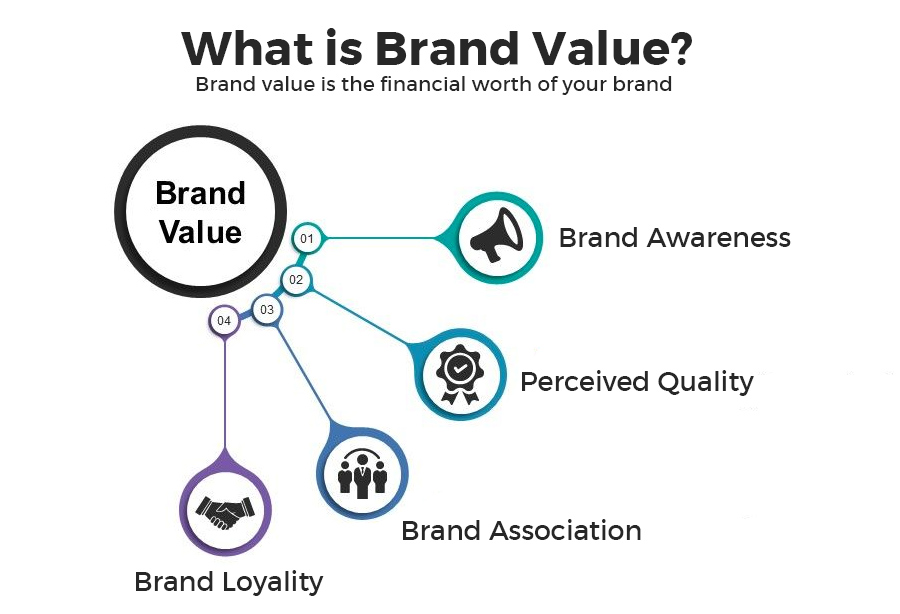
what-is-brand-value

By aligning your brand with values that matter, you can attract like-minded customers and foster a sense of purpose and loyalty. Elevate your brand from a transaction to a shared belief system by making a positive impact while building lasting relationships with your consumers. Let your brand values shine, and watch how they will create a unique bond with your audience.

11. Demonstrate Your 🤿 Products’ Unique features

Exhibit the brilliance of your products by showcasing their unique features. Let each distinctive aspect of your product take center stage, highlighting how they set your offerings apart from the rest. Whether it’s cutting-edge technology, innovative design, or unparalleled functionality, demonstrate these features through engaging visuals and compelling narratives.

product feature

Give your audience a front-row seat to the exceptional qualities that make your products a must-have. By transparently illustrating these unique features, you not only build credibility but also create a compelling reason for customers to choose your brand. Make your products stand out in the crowd, and let the uniqueness of your products do the talking.

12. Surprise Your 🎲  Brand Audience

Ignite excitement and captivate your brand audience with awe-inspiring surprises. Whether it’s groundbreaking events, innovative products, or unparalleled services, keep your audience on their toes by delivering the unexpected. Surprise launches, exclusive previews, or limited-time offerings create a sense of anticipation and delight, fostering a dynamic relationship with your audience.

gift-ideas-

Embrace the element of surprise to exceed expectations and leave a lasting impression. By consistently delivering remarkable experiences, you transform your brand into a source of excitement and anticipation, ensuring your audience is always eager for the next big surprise. You can also create social media hashtags for your surprises and ask people to publish posts with them to gain brand awareness.

13. Partner with Other 🎯 Complementary Brands

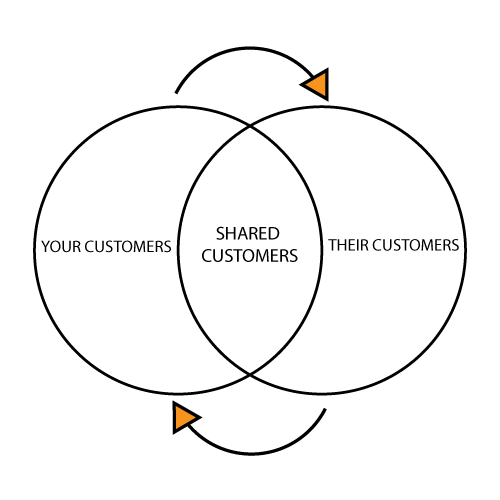
Supercharge your brand activation by forming dynamic alliances with complementary brands. Partnering with like-minded businesses amplifies your reach and enriches the overall consumer experience. Identify brands that align with your brand values and target audience, then create a symbiotic relationship with them that benefits both parties. Whether it’s co-hosting events, collaborating on exclusive products or cross-promoting each other’s offerings, these partnerships add a layer of excitement and diversity to your brand activation campaign.

complementary-brands

By joining forces with other brands, you tap into each other’s strengths, creating a synergy that resonates with a broader audience. Explore the possibilities of collaboration and watch as your brand activation efforts reach new heights through the power of strategic partnerships.

14. Make Your Brand 🛎️ Activation Campaign Interactive

Transform your brand activation campaign into an immersive experience by making it interactive. Break away from the traditional and engage your audience in a two-way conversation by inviting them to actively participate and shape their journey with your brand. Incorporate polls, quizzes, live Q&A sessions, games, and other interactive content into your campaign that sparks curiosity and involvement.

campaign interactive

By fostering a sense of participation, you not only capture attention but also create a memorable connection. Whether it’s virtual or in-person, an interactive campaign turns passive observers into active participants, making your brand activation not just an event but an engaging experience. Embrace the power of engagement and watch as your brand activation campaign becomes a memorable, hands-on journey for your audience.

15. Help Your Customers ⛽ Create a Positive Impact

Empower your customers to make a positive impact with your brand activation activities. Beyond offering products or services, inspire your audience to be a force for good. Integrate socially responsible initiatives into your campaigns, such as charitable partnerships, eco-friendly practices, or community engagement.

positive impact

Showcase how their engagement with your brand contributes to meaningful causes, allowing them to be part of a larger, positive narrative. By aligning your brand with purposeful actions, you not only build a loyal customer base but also create a ripple effect of positive change. Invite your customers to be champions of impact, turning their interactions with your brand into a meaningful journey towards a better world.

Be Innovative with Your ⏳ Brand Activation

Brand activation stands as a distinctive marketing approach, aiming to curate a unique experience that amplifies brand awareness. Brand activation should be fun and contain surprising and innovative elements to engage people effectively. Depending on the activity of the brand, several brand activation ideas and strategies are available to communicate with more customers and reach the target audience.

Brand activation is not limited to site-specific or physical activities, as several brand experiences are designed using virtual reality and AR technologies that have opened up new avenues for creative and impactful experiences. Some online solution providers also offer specialized brand activation services to find the target audience and deliver bespoke products and samples to the right customers.

Consider these 15 brand activation ideas as a catalyst to launch your brand activation campaign! 

If you’ve implemented any of the brand activation ideas listed above, share your results in the comments below!


d525ceaee11862a41343afdd05eeb9e03cc8502270863e10f352a11c7b241df5?s=96&d=mm&r=g

Abirika

Abirika Soolabanee working as a Senior Manager - Inbound Marketing & Branding at Prime One Global. She is a certified content and Inbound marketer with five years of experience. Bringing expertise in content marketing, inbound marketing, branding, blogging, copywriting, SEO, keyword research, and research & analytics. She is passionate about Inbound Marketing, Branding and Blogging. She writes in-depth articles and guides about digital marketing trends, technologies, and other lifestyle topics since 2018. Through her writings, she loves to help people in all aspects of their life.

All Posts

Share this article:

Read More
Recent Comments
  • Ketharan on Top 25 Instagram Fashion Influencers
  • Ketharan on Top 25 Instagram Fashion Influencers
  • Nigetha on Integrating ChatGPT With Google Sheets For Enhanced Data Analysis
  • Nigetha on The 10 Biggest Business Trends For 2024 Everyone Must Be Ready For Now
  • Nimesh Heshan on The 10 Biggest Business Trends For 2024 Everyone Must Be Ready For Now

Microsoft Certified Professional. Microsoft Certified

Start Your Journey to Better Business

Prime One Logo

Prime One Global LLC is a Globally recognized Multinational Award-Winning performance marketing agency delivering Full Stack digital marketing strategies and results-driven solutions to emerging global brands like yours.

USA Office Address

Prime One Global LLC.

1309 Coffeen Avenue,
Sheridan, WY, 82801, United States.

[email protected]

+ 1 (818) 275-2989
Sri Lankan Office Address

Prime One Global (PVT) LTD.
#146B, Goodshed Road,
Thonikkal, Vavuniya, NP,
Sri Lanka.

[email protected]

+ 94 24222 5992

Prime OneSolutionsHistory#GivebackCareersCommunity

Terms of Service

Privacy Policy

Press Kit

Knowledgebase

Support Center

Platform Status

Facebook-f Linkedin Instagram Youtube
© – Prime One Global LLC and all rights reserved by Maverick. Formerly known as Extreme SEO Internet Solutions™.