
Prime One Logo
  • Who We Are
    • Our Story
    • The Team
    • Insights
    • Community
    • Join Us
  • What We Do
    • Performance Marketing
      • PPC Campaign Management
      • Experiential Marketing
    • Business Intelligence
      • Digital Marketing Strategy
      • Page Speed Optimization
      • Conversion Rate Optimization
    • Search Engine Optimization
      • Enterprise SEO
      • Link Building
      • Local SEO
      • Link Removal
  • Digital SQUAD
  • Clients & Results
  • Partners
HELP
  • Who We Are
    • Our Story
    • The Team
    • Insights
    • Community
    • Join Us
  • What We Do
    • Performance Marketing
      • PPC Campaign Management
      • Experiential Marketing
    • Business Intelligence
      • Digital Marketing Strategy
      • Page Speed Optimization
      • Conversion Rate Optimization
    • Search Engine Optimization
      • Enterprise SEO
      • Link Building
      • Local SEO
      • Link Removal
  • Digital SQUAD
  • Clients & Results
  • Partners
  • Who We Are
    • Our Story
    • The Team
    • Insights
    • Community
    • Join Us
  • What We Do
    • Performance Marketing
      • PPC Campaign Management
      • Experiential Marketing
    • Business Intelligence
      • Digital Marketing Strategy
      • Page Speed Optimization
      • Conversion Rate Optimization
    • Search Engine Optimization
      • Enterprise SEO
      • Link Building
      • Local SEO
      • Link Removal
  • Digital SQUAD
  • Clients & Results
  • Partners
SEO
Home Archive by Category "SEO"

Category: SEO

21 AprKeywordsSEO

How to Group Keywords into Topics: The Beginner’s Guide to Keyword Clustering

Picture of Usha Dharshini

Usha Dharshini

There was a time when SEO seemed pretty basic: pick one high-volume keyword, stuff that keyword into the page a few times, and watch as Google puts you on page 1 of the search results.

But that time has ended.

These days, Google no longer just looks at the content on a page. It actually understands it. Google can deduce not only the context of words, but also their meanings and how they’re related to one another. If you’re still optimizing webpages for one keyword at a time, you’re not only behind in your SEO strategy. You’re actually becoming invisible to the very same search engines that will help determine your traffic levels!

Unfortunately, many marketers begin their SEO journey by putting their “best foot” forward, chasing one great keyword, putting that great keyword in numerous places on one specific webpage, and trying to achieve a position on page 1 of the search results. Think again. Those days are gone. Google is now a much smarter search engine than it was just a few years ago. Google no longer simply looks for one keyword by itself. It analyzes the total content of your page in order to understand what the entire topic is about.

Keyword clustering is now completely revolutionizing how SEO is done.

With this method of targeting numerous related keywords at the same time, you can demonstrate to Google that your page has some authoritative weight behind it. This will help increase your rank in search results and provide you with additional visitors to your site because users now have the ability to find more relevant information easily. These reasons are why many marketers/agencies are utilizing keyword clustering as another method of effectively optimizing their web pages.

In this blog, we will discuss the following information within this beginner’s guide on keyword clustering.

✅ What is Keyword Clustering? (And why it’s better than the traditional approach to Search Engine Optimization)

✅ How does Keyword Clustering Work? (A simplified breakdown of the logical process)

✅ How can you generate new Web Page Content based on Related Keywords? (The process for creating topic-rich web pages that are likely to rank highly).

Let’s put a period at the end of the keyword-centric approach and use that as an indicator that we are done with using keywords to produce effective content.

keyword-clustering-guide
📍 What is keyword clustering?

Keyword clustering is about combining similar keywords into one “cluster” or main topic. Instead of writing 10 separate pages about 10 separate keywords, you simply create one great piece of content about all 10 keywords.

For instance, if you are selling ‘organic dog food’, rather than writing separate pages for:

✅ Best food for small dogs

✅ Kibble made from organic ingredients for puppy dogs.

✅ Dog food that is both healthy and good for dogs with stomach problems

The above three items would fall under an overall topic of “Organic Dog food for Special Health Conditions”. This is an example of keyword clustering; rather than competing for just individual keywords, you are working towards an overall authority on an entire topic area.

keyword-clustering
📍 Why Does Keyword Clustering Matter?

There are several reasons why this area should be researched by your company. A recent report from Semrush indicates that websites which utilize topic clusters have an increased ability to rank in the Top 10 of Google by 45% more than websites that do not use a topic cluster (Semrush, 2023).


  1. Prevention of Keyword Cannibalism by Google.

The definition of keyword cannibalization is complex, but the issue itself is straightforward. When multiple websites compete to gain popularity within Google’s search results using the same keyword. This confuses search engines like Google, making it difficult to decide which page to rank. As a result, none of the pages perform well in search results.

Keyword cannibalization happens when multiple pages on the same website target the same keyword. Using keyword clusters to create a singular page dedicated to one keyword (the primary page) will allow Google to understand which page should be displayed for users searching on that keyword. According to Backlinko, this will likely result in your search rankings rising between 15% and 30% higher than they currently are. (Dean, 2022).

  1. You Demonstrate to Google That You Are a Subject Matter Authority

Google’s prioritization is to show users the most helpful content. When you create one page that answers multiple related questions, it helps build topical authority, which means Google sees your page as a strong and reliable source on that topic.

When you build this authority, your content gains more trust and visibility. As a result, your page can rank for many related keywords, not just one.

  1. Improved User Experience

Think about how you behave when conducting a search. Have you ever wanted to get through five pages of content to find answers to every question? No, instead you want one easy-to-follow, complete guide. Use keyword grouping to produce better quality content that is meant for real people. If you can keep users spending more time on your pages, Google will pay attention.

📍 Step-by-Step: How to Group Keywords into Topics

Moving on and being practical about this now is going to cost you very little to start. Simply follow a basic series of steps to begin.

Step 1: Start With a Seed Keyword List

✅ Google Autocomplete: (When you begin typing something in Google, it will suggest words based on what you have typed).

✅ AnswerThePublic: (Another free tool that provides questions people ask regarding certain keywords or topics).

✅ Google Search Console: (If your site has traffic, it will indicate which search queries were used to find you).

Do not spend too long trying to figure out which words or phrases to utilize. Just write down as many words as possible that relate to your business idea.

For example, in a digital marketing company, the original keywords to consider would be: SEO Services, Social Media Management, PPC Company, Google Ads Help, Local SEO, Content Marketing etc..

Step 2: Identify Similarities among Keywords

You can create a blank spreadsheet with either Google Sheets or Microsoft Excel, in which you will put your keyword phrases into column A.

In addition to putting your keyword phrases into column A, you will then want to look at the keyword phrases for any similarities and then see what type of content or search queries your target audience is using.

For example, it will help you identify common themes in the keyword phrases that have been gathered.

Once you find similarities, you can categorize each of those keywords by using color. For example:

– Blue: Pricing

– Green: Beginner

– Yellow: Advanced tips

– Orange: Local

The goal of categorizing the keyword phrases this way is to create a visual representation of clustering the keywords based on shared themes (similarity) in order to develop an idea/theme and the types of content associated with each of those themes, in order to create what is called a “clustering” of keywords.

Step 3: Evaluate Search Intent (Critical Step)

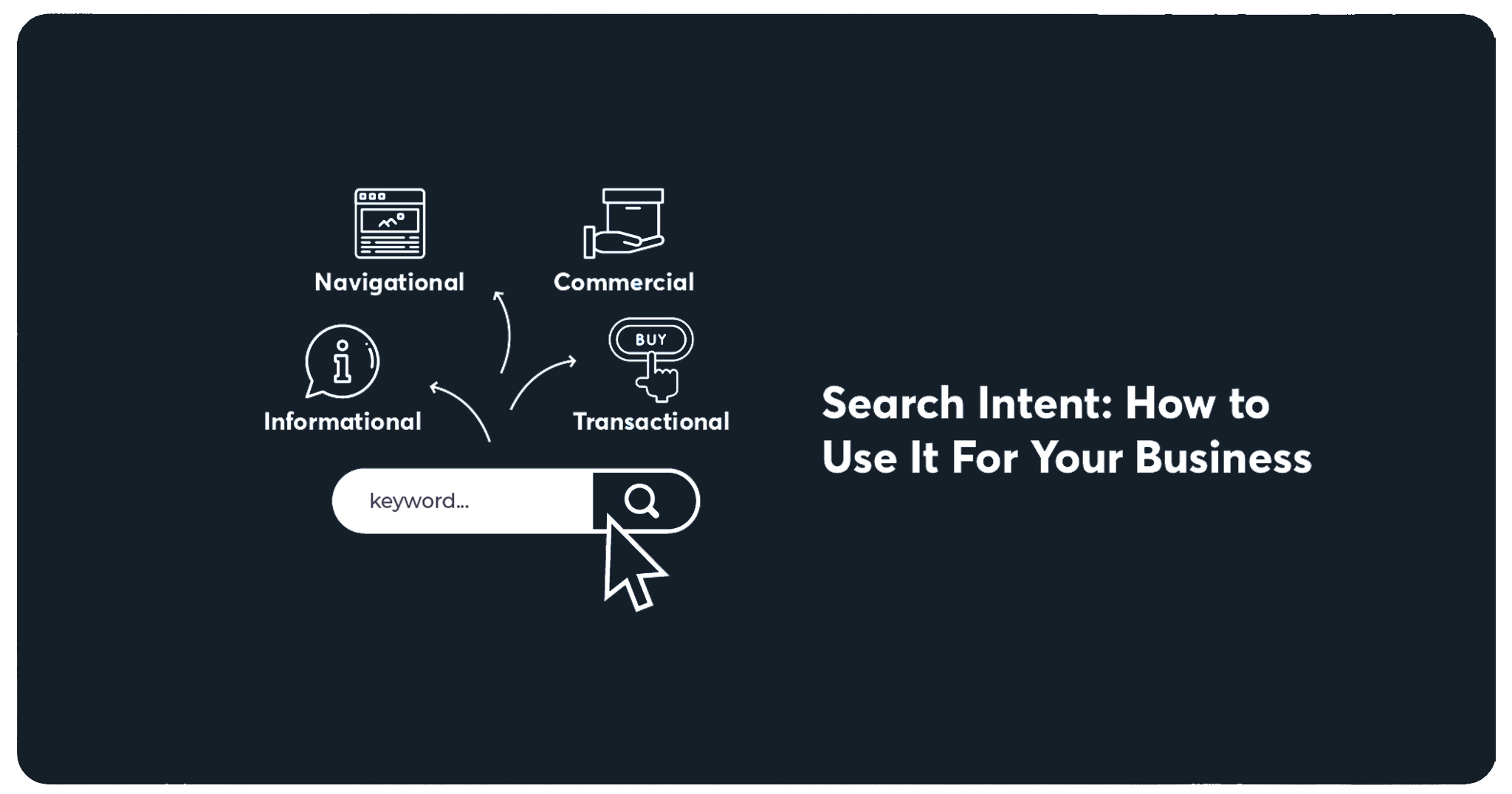
New marketers commonly make a mistake when they group words together in clusters based on how they look rather than what the user was intending them to be. The reason for a search can be categorized into four different types of intents:

✅ Informative: (Looking to learn something concerning a periodic issue. For instance, “how can I repair a water leak in my home?”)

✅ Commercial : (When a person searches for something and wishes to determine what the best available products are. For example, “which running shoes are best for sale in 2025”?),

✅ Transactional : (When a user is looking to confirm, prior to making a purchase, that the item or service they want to buy can be purchased. Example: “buy Nike Air Max shoes on the web”)

✅ Navigational : (The user is trying to find a specific website. For example, “Facebook login”).

To see what the search intent of your keyword is, search for your keyword or keyword phrase on Google. Look at the first three organic search results you see. Are they related to information, such as a news article to a product page? You need to produce the same type of content as the organic results on Google.

Step 4: Grouping by a Simple Rule

At this point in the process, you should have established your themes and confirmed their meaning/purpose. Now it’s time to separate them into groups!

According to Ahrefs, “two keywords should be grouped together if they share at least 80% of their respective sets of ranking pages in the search results”(Soulo, 2022).

You won’t need to do any math to evaluate whether two keywords should be combined, as they would either be obvious or through some Use of Logical Reasoning.

For example, when someone searches “best coffee maker,” would they not also find “best espresso maker” similarly worthwhile ? YES. However, if you searched for “how do you clean a coffee maker,” that would be an entirely different topic than either of the first two keywords.

Step 5 : Create Your Topic Pillar Page

After organizing your list of keywords (like the cluster of 7-10 related words) into clusters of related groups based on what you think people will search for, using that information as an outline makes creating the content easier.

How Would This be Structured:

✅ The main keyword that was found in the keyword cluster has a high monthly volume.

✅ All other keywords that were located were used as H2 or sub-heading, each sub-heading should be a sub-topic from the main header and will reflect the overall subject.

✅ Link to your site for each related array of topics

✅ A FAQ section is included giving the reader a brief explanation of how frequently that keyword is used and how it relates to other keywords.

Avoid using keywords 10 times. If you write them naturally, it will not be a problem for the reader. Google also understands the use of synonymous terms and different word forms for the same words.

Top Mistakes to Avoid

Here are three common errors to avoid.

Error 1 – Keyword Clusters Too Large

Some people place 50 keyword phrases on one page that make it impossible for anyone to read (and therefore only make sense as unconnected strings of words). Pillar pages should contain 5 to 15 keyword phrases in a cluster. If you have more than 15 per page, cluster them into 2 sets.

Error 1 – Keyword Clusters Too Large

Some people place 50 keyword phrases on one page that make it impossible for anyone to read (and therefore only make sense as unconnected strings of words). Pillar pages should contain 5 to 15 keyword phrases in a cluster. If you have more than 15 per page, cluster them into 2 sets.

Error 2 – Local Keyword Clusters

For example, if you run a plumbing business in Austin, you should group your local keywords separately from broader, national keywords. For instance, keywords like ‘emergency plumber Austin’ target local customers, while ‘plumber tips’ is more general and reaches a wider audience. 

According to BrightLocal, there was a study conducted in 2023 that showed 78% of local searches from mobile devices led to an offline purchase (BrightLocal 2023). Therefore, you need to create a high-quality cluster for your local terms using only the specific terms (that align with searches) you want to use.

📍 Tools That Make Keyword Clustering Easier

You can cluster your keywords by using a spreadsheet, or you could use any of the following (low-cost) tools if you would prefer a faster way to do it.

Keyword Insights AI – Automatically clusters your Keywords based on the meaning of the keywords that you have entered. A free version of this software is available.

Surfer SEO – This will determine the various groups of keywords based upon what pages rank highest in the Search Engines for your best ranking keyword phrases.

Clusteric – Unlike Surfer SEO, this application is very simple and is only designed for the purpose of clustering your keywords – this is its only feature and it does not have any other functions.

📍 How to Measure Keyword Clustering Success

After creating your clustered pages, there are numerous ways to track their success.

Below are some areas within Google Search Console you can evaluate to determine how the clustered pages are performing.

✅ Impressions- Are users finding your page more frequently in the search results?

✅ Average position- Have you experienced an increase in overall rankings(example. position 15 to 8)?

✅ Click-through rate (CTR)- Are users clicking to access your page?

✅ Keywords- How many keywords is your page ranking for? A well-structured clustered page should be able to rank for between 50-200 keywords.

Conclusion

You don’t have to create your entire website in one weekend. Trying to complete everything at once will not only make you unproductive but will also make you feel burnt out, confused and produce low-quality content. When you hurry, mistakes will be made, such as putting unrelated keywords together and missing the search intent. Not only do these issues negatively impact your search engine optimization, they also negatively impact your credibility.

The bottom line is that when you experience stress, you will make poor decisions. Poor decisions will lead to less- than- great SEO results. Less than great results will make you want to throw up your hands and quit. We don’t want this to happen to you. So when it comes to keyword clustering, it’s a marathon and not a sprint, so give yourself permission to take your time on building your website. 

The SEO benefits that come from having just one pillar page are more than you could ever get by posting multiple thinly populated pages spread-out across your website.

After launching your initial pillar page, allow yourself time to reflect on this accomplishment and celebrate your achievement! Then identify your next topic area of interest (which may or may not relate to your first topic area). Follow the same process of developing and publishing additional pillar pages around those topics. Over time, this will establish a regular routine for adding more and more of these types of pages to your site.

Eventually, you will have a beautifully organized website which will be easily understood and trustworthy to both your visitors and Google. When someone accesses your site they will find the information they are searching for grouped together around similar types of topics as opposed to randomly sampling different pages within your website. This structured approach makes it easier for Google to ascertain the expertise within a given subject area. As a result, when a user searches for something related to one of those topics, you’ll receive higher rankings in search results, which will subsequently create increased traffic to your website.

In summary, all of this is possible with just one cluster (set of related pages) represented by your first pillar page, and a positive action you performed today towards developing new clusters of related web pages by continuing through this process!

Now it’s your turn. Have you tried keyword clustering? Are you still stuck in the single-keyword mindset? Share your thoughts, questions, or wins in the comments below. Let’s learn from each other.


6a6334647d504702e32434ee3392cacfac600c4f0dd8550186bd6e11f78adcd8?s=96&d=mm&r=g

Usha Dharshini

Usha Dharshini is a Digital Research and Content Associate with a strong passion for transforming complex information into clear, engaging, and impactful content. She specializes in digital research, content development, and trend analysis, helping audiences better understand evolving topics across industries. With a keen eye for detail and a commitment to accuracy, Usha Dharshini focuses on delivering well-researched, insightful, and reader-friendly articles. Her work reflects a blend of analytical thinking and creative storytelling, aimed at informing, educating, and inspiring readers in the digital space.

All Posts

Share this article:

Read More
21 MarSEO

Zero-Click Search: Win Traffic With No Clicks in 2026

Picture of Abirika

Abirika

Search is evolving at a rapid rate! Over the years, the success of search engine optimization was determined by a very simple parameter: the number of clicks to your website, getting top positions in the SERP results, receiving more clicks, and receiving more traffic. However, the emergence of AI-assisted search experience, featured snippets, and instant answers has completely transformed the way users use search engines.

Nowadays, lots of searches do not lead to a visit to a website. Rather, the user receives answers to questions on the search engine results page (SERP) itself. These searches are referred to as zero- click searches.

Marketers will need to reconsider SEO in 2026. Driving clicks is no longer a necessary factor to win the search game. It is about gaining a presence, power, and brand name in the SERP itself.

In this article, we explore:

  1. What is a zero-click search?
  2. Why is it reshaping SEO in 2026?
  3. The categories of zero-click results dominating SERPs
  4. And, how a brand could continue to acquire traffic and visibility without clicks
what-is-a-zero-click-search
1) What is Zero-Click Search?

A zero- click search is where the query asked by the user is answered right on the search results page without having to access a third-party website.

Search engines are becoming more and more helpful in giving instant answers by offering features like:

  • AI-generated summaries
  • Featured snippets
  • Knowledge panels
  • People Also Ask boxes
  • Map packs and local listings

These SERP features enable users to access information instantly.

As per the recent studies, over 60% of searches are currently terminated without clicking on a website, and that is how dramatically the user behaviour has changed.

This has been fuelled by the entry of new AI-powered search experiences. Typically, search engines can build the information by using various sources and deliver it in the form of a synopsized response right on the SERP.

For users, this means faster answers and less friction.

For marketers, it means traditional SEO metrics are no longer enough.

2) Why Zero-Click Searches Are Rising?

There are various technological and behavioural changes that have increased the growth of zero-click searches.

2.1. AI Overviews and Generative Search.

The most significant is the use of AI-generated answers in search results. Currently, AI systems are able to summarize the content of various sources and place the response at the very top of search results. These AI synoptics are gradually taking over information requests and reducing the chances for a person to press external links.

As a result:

  • There is a reduction in organic click-through rates.
  • The visibility has changed to citation within AI responses.
  • Brands are now forced to not only optimize for rankings but also to get mentioned within the answers of AI.

2.2. Mobile and Voice Search Behaviour

Mobile and voice search promote immediate responses. When a user poses a question to a voice assistant, a list of links will not be appropriate, but rather a spoken answer. This action favours short responses that are retrieved in web pages. Voice search is a natural way of boosting zero-clicks.

2.3. SERP Feature Expansion

Dozens of rich features have been added to search engines, including:

  • Featured snippets
  • Knowledge panels
  • “People Also Ask” sections
  • Video carousels
  • Map results

Over 40% of searches prompt such SERP features, thereby decreasing the use of blue links.

2.4. Search Engines Retaining Customers on Their Sites.

There is another cause of the increase in the number of zero-clicks is something strategic. Search engines more and more retain users to their ecosystem by:

  • Maps
  • Flights
  • Shopping results
  • YouTube integrations

Such experiences make them not have to exit the search platform.


why zero click searches are rising
3) Zero-Click Search Result Types

It is important to know the key categories of zero-clicks so that the marketer can structure their strategies to fit into them.

3.1. Position Zero (Featured Snippets).

Featured snippets are short answers to webpage information, which are featured at the top of search results.

They typically appear as:

  • A paragraph
  • A list
  • A table

Snippets are answers, but the also lead to the source page. Zero results tend to be more visible and find a higher rate of click-through than normal rankings.

3.2. AI Overviews

One of the most radical SERP features is AI Overviews. They do not provide the answer from one source, but provide a summary of information from various sources and give a synthesized answer.

These summaries may include:

  • References to a number of websites.
  • Additional context
  • Follow-up suggestions

In the SEO perspective, the aspect of being mentioned as a reference in such summaries is also becoming more relevant.

3.3. People Also Ask (PAA)

People Also Ask boxes show related questions, which are regularly searched by users. Every question is extended to a single answer that is drawn from a webpage. The format gives the brands several chances to feature in the SERP features.

3.4. Knowledge Panels

Knowledge panels represent an organized representation of a brand, company or a famous person. They draw information out of organized dataset and official websites. Such panels contribute significantly to brand credibility and entity recognition.

3.5. Local Pack Results

Search engines provide a map and the best business listings to local queries. These listings have vital details of information like:

  • Reviews
  • Address
  • Opening hours
  • Directions

To the local businesses, they can be seen in such results, which can result in calls and visits even without the traffic for the websites.

Zero-Click Search Result Types
4) The New SEO Objective: Visibility Not Clicks

SEO is changing in a zero- click world.

Rather than only optimizing for website traffic, marketers have to optimize for:

  • Brand visibility
  • SERP real estate
  • Authority signals
  • AI citations

Repeated presence of your brand in search results, even without clicking by users, creates recognition and trust among internet audience.

In the long run, such brand familiarity can motivate:

  • Direct searches
  • Social engagement
  • Conversion via alternative channels.

That visibility itself is an asset to marketing.

the new seo objective visibility not clicks
5) How to Turn Zero-Clicks into a Traffic Game Changer?

Although the rise of zero-click search is squeezing direct traffic opportunities, there are smart ways to turn this into your unique selling proposition.

Top Strategies to Focus on for 2026

5.1. Master Answer Engine Optimization (AEO)

Traditional SEO was all about ranking pages high. But modern SEO is about making sure your pages are answer-ready.

Answer Engine Optimisation (AEO) is all about crafting your content in a way that search engines can easily get to the point and pull out the good stuff.

To do AEO effectively, you’ll need to be doing these things:

  • Writing answers in clear, 40-60 words chunks
  • Using headings that make sense, so it’s easy for search engines to see what the question is
  • Writing like a human, not a robot

Search engines love concise and direct answers; that’s why snippets and summaries tend to get picked.

5.2. Target Question-Based Keywords

A lot of the zero-click features tend to pop up when people are asking questions.

Examples of these include:

  • What is this thing?
  • How does it work?
  • Why does it happen?
  • When should we do it?

If you create content that directly answers these questions, you stand a much better chance of appearing in those snippet or people also ask boxes. Using clear headings and short answer sections is a big help too,  because it makes it so much easier for search engines to pick out the good stuff.

5.3. Don’t Forget the Power of Schema Markup

Adding structured data helps search engines get a better idea on what your content is all about. Using schema markup can give you an extra edge with features like:

  • FAQs
  • How-to guides
  • Reviews
  • Product info

It helps to get you into all sorts of SERP features and just generally makes life easier for search engines.

5.4. Write Content That’s Easy for Search Engines to Swallow

How you format your content is crucial for zero-click optimization. Search engines love it when you keep your content:

  • Well-structured
  • Easy to scan
  • Immediately understandable

Some tried-and-tested formats that make this happen include:

  • Bullet points
  • Numbered lists
  • Tables
  • Short paragraphs

These formats make it super easy for search engines to dig out the good bits.

5.5. Build a Topical Authority

Search engines tend to trust sites that consistently put out high-quality content that’s relevant to their niche. Being the go-to authority in your field is a pretty great goal,  and there are ways to get there:

  • Creating a library of comprehensive content
  • Getting expert insights and doing your own research
  • Linking to other parts of your site that are also super useful
  • Making sure your writers are seen as experts

The aim is to become a trusted name in your industry that people go to when they’re looking for answers.

5.6. Produce Content That Goes Beyond the SERP

Whereas certain questions will always lead to no clicks, there are some questions that still demand further in-depth information.

Clicks should be stimulated by content which includes:

  • In-depth guides
  • Data-driven research
  • Interactive tools
  • Infographics and visual material

Giving information that cannot be described in short, brief answers will motivate the users to access your site.

5.7. Enhance Brand Awareness

Branding will be an essential part of SEO in a zero-click environment. Your brand need to appear in search results many times to eventually be clicked by users.

Powerful brand signals are:

  • Thought leadership content
  • Expert authorship
  • Social media presence
  • Consistent messaging

As soon as users become aware of your brand, they will highly trust your content and return to it in the future.

top strategies to focus on for 2026
6) How to Measure Success in the Zero-Click Era

Conventional measures of SEO were centred on:

  • Rankings
  • Click-through rate
  • Organic traffic

However, the current zero-click search strategies should be able to measure:

  • SERP impressions
  • Brand search volume
  • AI citations
  • The presence of featured snippets

These pointers show the level of efficiency of your brand in search, even without clicking.

7) The Future of SEO: Search Engine Optimization to Search Experience Optimization

The concept of zero-click search is here to stay. It represents a radical change in the access to information by people. Search engines are not only becoming link directories but also answer engines that operate under artificial intelligence. This revolution hints that SEO has to be changed, too.

Marketers are required to optimize the whole search experience as opposed to optimizing only on the search engines.

This includes:

  • AI systems
  • voice assistants
  • conversational search engines.
  • multi-platform discovery

Brands that evolve in time will have a significant competitive edge.

Final Thoughts

One of the biggest changes that has happened in the history of SEO is the emergence of zero-click search. Since AI is redefining search experiences, clicks are not the only metric of success anymore. To gain search visibility in 2026, you need to take more comprehensive approaches:

  • Maximize AI-made responses.
  • Create SERP feature structure content
  • Build topical authority
  • Strengthen brand presence on the SERP

The brands that succeed in this new environment will not be the ones that pursue rankings on their own. They will be the ones that will turn out to be the source of answers.

In the age of zero-click search:

Be the brand that search engines trust and users remember!

How is zero-click search impacting your website traffic, and what strategies are you using to stay visible in 2026?

d525ceaee11862a41343afdd05eeb9e03cc8502270863e10f352a11c7b241df5?s=96&d=mm&r=g

Abirika

Abirika Soolabanee working as a Senior Manager - Inbound Marketing & Branding at Prime One Global. She is a certified content and Inbound marketer with five years of experience. Bringing expertise in content marketing, inbound marketing, branding, blogging, copywriting, SEO, keyword research, and research & analytics. She is passionate about Inbound Marketing, Branding and Blogging. She writes in-depth articles and guides about digital marketing trends, technologies, and other lifestyle topics since 2018. Through her writings, she loves to help people in all aspects of their life.

All Posts

Share this article:

Read More
24 OctSEO

How to Top the Ranking in AI Search Results in 2025: The New Rulebook of SEO in the Age of Generative AI

Picture of Abirika

Abirika

The SEO industry is witnessing one of its biggest revolutions in history. In 2025, ranking in traditional organic search results is no longer the only way to get seen by your online audience. In fact, since giant search engines like Google’s AI Overviews feature, Bing Copilot and the ChatGPT built-in browser feature have taken over search engines with generative AI, the entire SEO setting has changed. How can businesses and content creators prepare for this new reality where AI will be creating the answers and providing summarized direct responses to users instead of just links? This blog post goes deep into the new rules of SEO for the AI search age, the future of search results, and how do your future-proof your rankings by optimizing for generative AI-driven results. 

Let’s dive into the new SEO Rules!

1) The Future Importance of AI Search and Generative AI in 2025
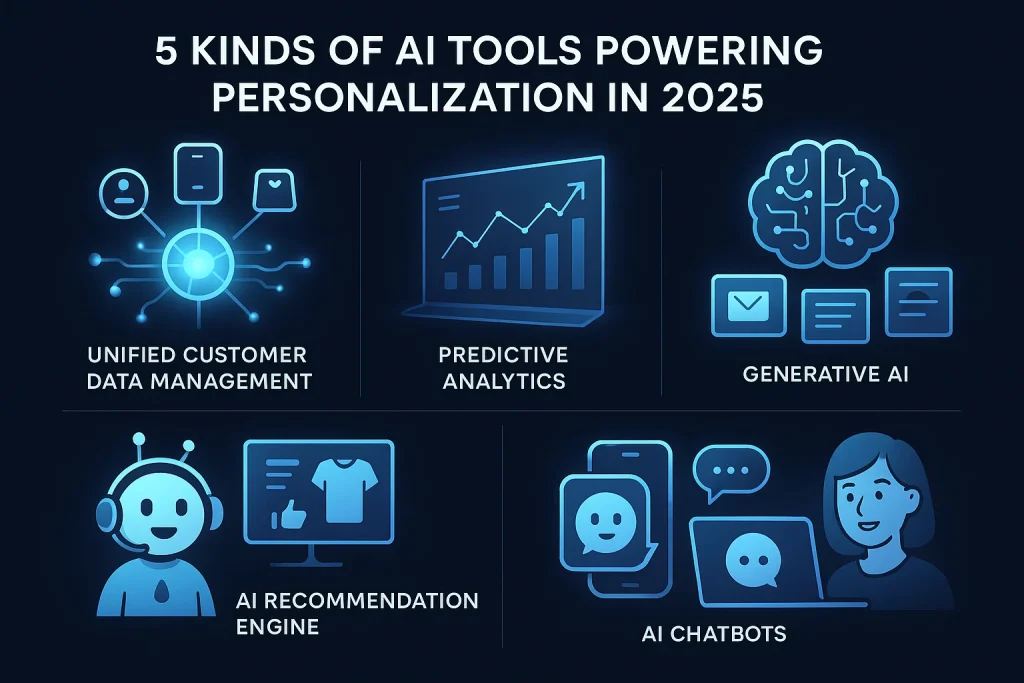
personalization-marketing

Generative AI is the technology that powers the AI models which learn from a large amount of data and can subsequently create something entirely new, such as text, images, videos or even code. Instead of displaying simple lists of links in the search results, AI-powered search engines can create results from several authoritative sources of information with comprehensive, conversational search results that directly display answers in the SERP rather than just links.

With the advent of AI Overviews on Google and other providers like ChatGPT and Bing, the zero-click search has become riddled with instant access to information, so that users do not need websites to find the answers to their queries. This significantly decreases traditional organic click-through rates and forces brands to reconsider how they find visibility on the search results.

For example, the Google AI Overviews itself gained over 1.5 billion monthly users in the early months of 2025. And while engaging such elements cuts click-through to websites by 34.5%, they are also telling testament to the direction where search traffic will flow in the future – toward concise, trusted answers backed by strong brand authority and topical expertise. To thrive, content creators focus on creating content to get in these AI-driven answers, not just to rank on the SERP’s first page.

2) The New SEO Rulings: The New Math of AI Search.
2.1. Make E-E-A-T (Experience, Expertise, Authoritative, Trustworthiness) a priority.

Google and AI search engines rank content based on the E-E-A-T structure. Its algorithms prioritize the real-life experience and knowledge of experts, as opposed to recycled or shallow content.

Therefore, in your content:

  • Showcase first-hand insights, case studies and trustworthy references.
  • Strengthen content authority through references to published original research or data.
  • Be trustworthy, in terms of clear sourcing and truthful information.

Without E-E-A-T, there is minimal probability of content being included in AI summaries, where credibility remains the only reason to believe.

Google and AI search engines rank content based on the E-E-A-T structure. Its algorithms prioritize the real-life experience and knowledge of experts, as opposed to recycled or shallow content.

Therefore, in your content:

  • Showcase first-hand insights, case studies and trustworthy references.
  • Strengthen content authority through references to published original research or data.
  • Be trustworthy, in terms of clear sourcing and truthful information.

Without E-E-A-T, there is minimal probability of content being included in AI summaries, where credibility remains the only reason to believe.

2.2. Tune to Intent-Driven, Conversational Queries.

Generative AI knows the goals and purposes of the user more than ever. It is good at understanding conversational and long-tail queries, such as subtle questions and follow-ups. SEO needs to stop being about keyword-oriented efforts and make an effort to answer why the query was made.

  • Use natural language and complete questions in your work.
  • Capture voice search and AI searches by using FAQs and conversational headings.
  • Respond to various user intents through the different angles and cases.

Let’s take some examples. Query: What are the best running shoes for flat feet beginners? This user query needs a specific answer to the user as opposed to general product lists.

2.3. Include Structured Data and Schema Markup.

Structured data assists the AI search engines in reading and comprehending your data better. Well-formed schema markup can help you be listed on rich results, featured snippets, and AI-generated overviews.

  • Article, FAQ, Review, Product, and Video schema should be implemented as needed.
  • Maintain a usable and error-free markup.
  • Make use of the schema for multimedia data to increase multimodal searching.

A schema is a two-way communication, and it is used to define precisely the nature and significance of your content to the AI.

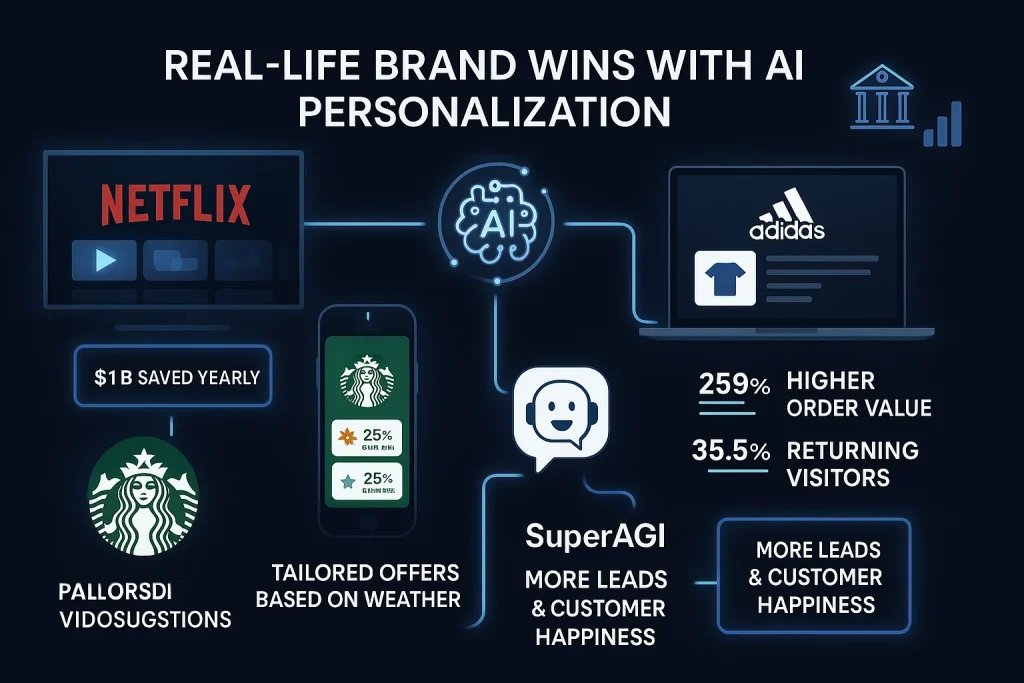
Personalization
3)  Human Yet AI-Friendly Content.

AI adores well-organized, clean data, but human beings are fans of narrative and memory. The best AI SEO content has a balance between being AI-friendly and authentically human.

  • Leverage storytelling, personal remarks/insights, and provide unique examples that an AI cannot replicate.
  • Use simplicity in your content: brief paragraphs, bullet points, headings, and useful images.
  • Skip keyword stuffing. Write creatively and use synonyms and related words.

AI favours well-organized, contextualized and insightful content rather than thin text, which resembles automated writing.

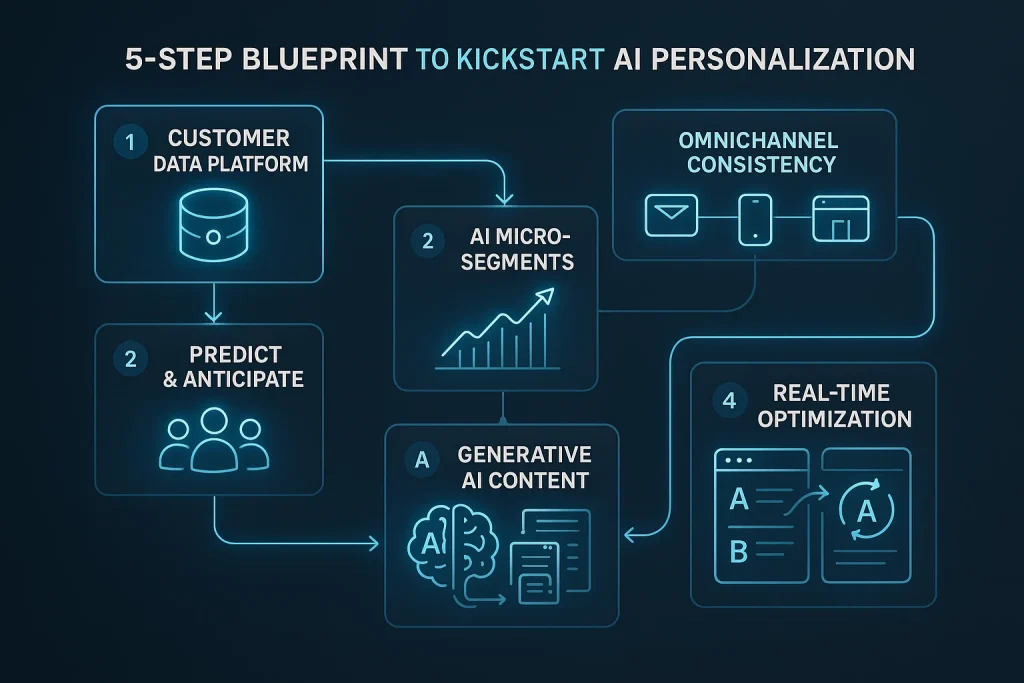
inbound marketing-AI-tools
4) Adapting Content Strategy to the AI Search Age.
4.1. Human + AI Collaboration

Brainstorm, outline, and draft with AI, then add your own knowledge and tone to make it unique and human-written. Imagine AI as your colleague, not a substitute.

4.2. Focus on Original Insights

Where AI fails to effortlessly assemble content such as proprietary data, real customer case studies, expert interviews, and behind-the-scenes insights to generate authenticity and authority, search engines are rewarding such content.

4.3. Avoid Purely AI-Spun Content

Google cautions against poor-quality AI algorithms that are poorly supervised by humans. Content should always be reviewed, fact-checked and well-optimized to maintain clarity, accuracy and engagement.

inbound-marketing-strategies
5) Technical SEO and User Experience (UX) are More Vital than Ever.
  • AI-driven search engines value websites that deliver a superb user experience.

    • Website Design should be mobile-friendly and fast to load.
    • Core Web Vitals, including speed on loading, interactivity, and layout stability, are important ranking factors.
    • Optimize your website’s site architecture to allow AI to crawl and interpret the information easily.
    • Adding metadata, transcripts, and alt text to media will allow the AI to incorporate it into its indexing.

    The Trust and authority of your website UX encourage people to stay on your site. When the site UX is seamless, it’ll increase the chances of growing trust and perceived authority of your website.

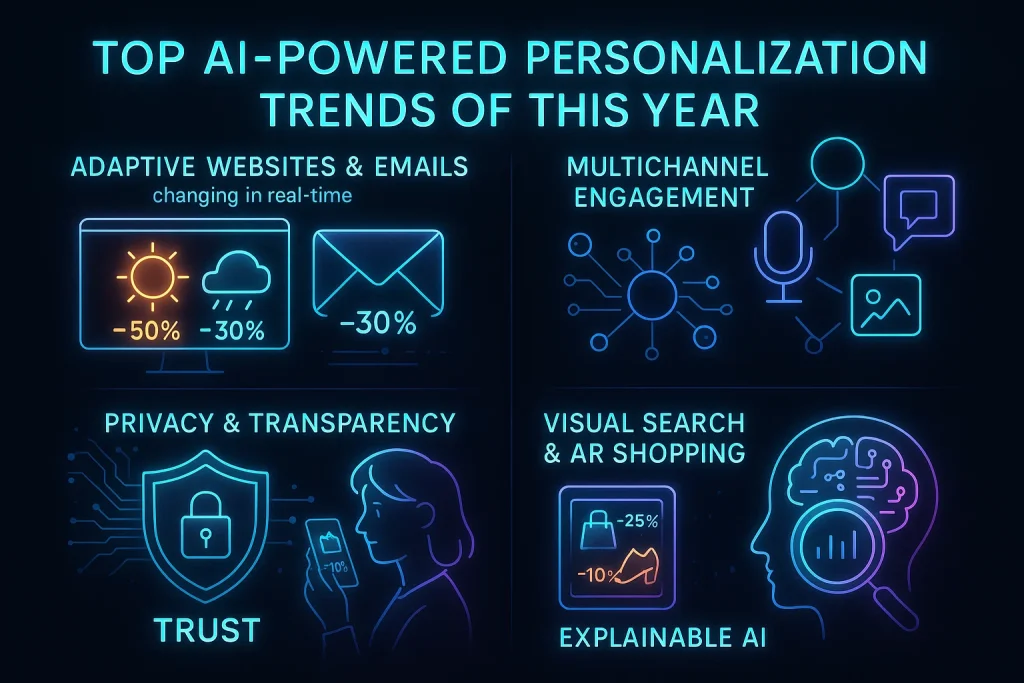
inbound-marketing-AI-personalization
6) Importance of Brand Authority and Link Building in 2025.
  • Still, backlinks and digital PR are important, but quality relevant links are the real strength.

    • Get referrals through reputable blogs in the business, government and education sites.
    • Establishing content clusters can make you a hub of expertise.
    • Digital PR, guest posts, expert roundups, and media features increase brand mentions.
    • AI search favours companies with solid websites and a reputable track record in terms of citations.

    The most important principle of link building in the AI-driven search world is the importance of quality over quantity.

AI-powered-personalized-inbound-marketing
7) Core Tools to Future-Proof Your AI SEO.

Here is the list of tools to enhance your AI SEO optimization:

  • Semantic relevance can be rapidly analyzed with AI-based applications like SurferSEO, Clearscope, and NeuronWriter.
  • AI assistants like Jasper or Copy.AI help to accelerate the process of finding ideas, yet require human aspects.
  • SEMrush AI and Ahrefs are examples of analytics tools offering real-time trend and competitor insights.
  • Improve voice and visual searches by optimizing content for multimodal queries and including comprehensive metadata in the content.

With these tools and technologies, you can make your content rank better in the rapidly changing AI search space.

8) Ethical Use of Generative AI in SEO

Ethical Generative AI use is vital. Address biases, misinformation, intellectual property rights, and privacy concerns proactively:

  • Fact-check AI-generated content.
  • Publicly share the AI intervention.
  • Train AI models using a wide variety and equally balanced data.
  • Adhere to GDPR and additional data privacy policies.

Ethical conduct creates brand confidence and evades penalties.

9) The Future: SEO Beyond 2025

The SEO process will shift towards Search Experience Optimization (SXO), which is a holistic approach that combines the user experience with the content authority and brand trust.

  • Personal AI assistants will generate more nuanced search results.
  • Authentic and expert-based content will prevail over generic AI.
  • AI effectiveness and human innovation are bound to create sustainable success.

Companies getting this balance correct will capture rankings and audience interest in the AI search age.

Final Thoughts

To be ranked high in AI search in 2025, a significant change of mindset from traditional SEO is needed. It’s all about establishing reliable, purpose-driven, authoritative content, which is appreciated by both AI and people. Focus on E-E-A-T, take the structured data first, make conversation and context central, and integrate AI tools and human creativity.

The era of generative AI is challenging to marketers, yet with the right adjustment, it can provide more opportunities to connect, lead, and develop than ever before. It is time to begin changing your SEO strategy so that you can succeed in the new AI-driven search environment.

What changes are you planning to make in your SEO strategy to thrive in the age of generative AI? Share your thoughts in the comments below!

d525ceaee11862a41343afdd05eeb9e03cc8502270863e10f352a11c7b241df5?s=96&d=mm&r=g

Abirika

Abirika Soolabanee working as a Senior Manager - Inbound Marketing & Branding at Prime One Global. She is a certified content and Inbound marketer with five years of experience. Bringing expertise in content marketing, inbound marketing, branding, blogging, copywriting, SEO, keyword research, and research & analytics. She is passionate about Inbound Marketing, Branding and Blogging. She writes in-depth articles and guides about digital marketing trends, technologies, and other lifestyle topics since 2018. Through her writings, she loves to help people in all aspects of their life.

All Posts

Share this article:

Read More
26 JulSEO

Top 6 Unpopular SEO Technics in 2024 That Are Guaranteed to Boost Your Rankings!

Picture of Nigetha

Nigetha

As many of you know in this Digital era of SEO, traditional strategies are being challenged by consistent innovation and new technologies. From prioritizing user experience to embracing authentic marketing tactics, Let’s dive into the unique viewpoints that are shaping the future of SEO. Join us as we delve into six unpopular yet insightful perspectives that could revolutionize your approach to search engine optimization. These are the crucial points to discuss who are crucial to learn more. 

You know what’s happening around the world?  it seems like the SEO world is buzzing louder than ever with all the latest updates! There’s a lot to stay on top of, from fundamental updates to content quality and reputation management. Did anyone hear this?  OpenAI’s search engine is being developed while Google’s Search Generative Experience is expanding. It’s like attempting to stay up with a thrilling drama, and a lot of SEOs are experiencing severe FOMO (Fear Of Missing Out).

maximize-your-profits 2024

In the middle of all these conversations, it’s hard not to see some themes that keep popping up. It’s no secret that search engines are evolving quickly, but it appears that our approach to SEO isn’t keeping up with these changes. Whenever something new happens,  I try to figure out what the search engines are doing and why. It can be challenging, particularly if it differs from what website owners or companies may believe.

Whenever there’s a new update, my first instinct is to understand what search engines are up to and what are the reasons behind it. This can be very challenging, as it often contradicts the mindset of a site owner or business.

Meanwhile, I’ve been taking on the role of the contrarian quite frequently, and I would like to share some unpopular opinions that I believe could benefit many businesses even if they’re a bit tough to accept. Let’s talk about the 6 Unpopular SEO Ideas that guarantee to boost your rankings.

1. SEO: The Evolution into Genuine Marketing!

SEO is now considered legitimate marketing. We are moving away from the days of playing about with search engines and toward the need for real marketing with every modification to the algorithm. You’re missing the mark if you’re not taking user needs, personas, and intent into account. I come across organizations and SEOs who have a backward strategy rather frequently.

giphy

They start out by stating, “I own this thing. Rank it for this particular keyword. That is not the appropriate course of action. A better approach would be to start with the keyword, understand the user’s intent, and determine what kind of information would be useful to them before producing that content.

2. Spam and Tricks: Not a Sustainable Business Strategy

Let’s talk about something important, spammy SEO tactics. Now, we all know they exist, right? Even the most ethical SEO experts out there have probably dabbled in them at some point. It’s like this little secret everyone has.
business strategy 2024
But here’s the thing: just because some of us have tested the waters with spammy tricks doesn’t mean it’s a smart business move. Sure, it might work for those small affiliate sites that you can easily toss aside if things go south. But if you’re running a real business with real employees relying on you, it’s a whole different story.

And with the latest spam score update, search engines are cracking down harder than ever on those shady tactics. They’re getting smarter at sniffing out spam, which means the risks are even higher. When you’ve got people depending on you to put food on the table, those risks can be downright scary.

So, while it might be tempting to push the boundaries of SEO, sometimes it’s better to play it safe and stick to strategies that won’t put your livelihood at risk. In order to go ahead with the best enterprise seo packages with the latest technologies, you don’t need to wait until you find some experts, we’re here to support you to give free consultation, contact our experts from Prime One Global!

3. Search Engines Don’t Owe you Traffic

It’s crucial to keep in mind that search engines are not required to offer fair competition. Search engine rankings are not required to be impartial or fair, in contrast to public utilities.

In legal terms, search engine rankings are regarded as the search engine’s editorial judgment. Their users are their first priority. Users will cease using the search engine (and clicking on adverts) if they are not happy.

voice search

Meantime it’s common for individuals to point fingers at Google and Bing for favoring particular businesses, this bias actually results from users’ propensity to click on and prefer those well-known brands.

Google has disclosed that it utilizes click data to improve its algorithms. This indicates that well-known brands probably get more clicks, which raises their search engine ranking.

Just as the most successful brands have done, our goal as marketers should be to make our brand recognizable. It will take a great deal of effort, time, and commitment to complete this procedure. It takes time and consistent effort to become a successful SEO; it does not happen overnight.

4.Understanding Search Engine Priorities: Aligning Your Strategy for SEO Success

It’s critical to understand that search engines put their consumers’ needs ahead of your brand, website, and sales. Your search engine optimization plan should be based on this core idea. You can improve your SEO results by better aligning your interests with those of search engine users by acknowledging and accepting this.

Google analytics

  • Complying with the Needs of Search Engine Users 

Successful SEO depends on meeting the needs of both search engines and your target audience. Conventional marketing thinking advises us to accommodate user preferences. But in the world of SEO, it’s just as crucial to match your content to what search engines think users desire.  To do this, you must modify your content such that search engines such as Google and Bing recognize the purpose of the user.

  • Adjusting to Changing Algorithms in Search Engines

Search engines are always changing, with algorithms tweaked to improve user experience. This implies that what is effective now might not be so tomorrow. As a result, companies should emphasize flexibility and adaptation rather than building their whole business strategy around the latest SEO trends.  A flexible SEO strategy should be able to adjust to modifications in search engine algorithms.

  • Balancing User Needs and SEO Requirements

It’s crucial to optimize for search engines, but you don’t forget about your users. The key to success with SEO is producing high-quality, valuable content that speaks to their requirements. But, in order for search engines to comprehend and rank this content well, it must also be organized and displayed. This includes making sure your website offers a positive user experience, utilizing appropriate keyword placement, and creating meta tags.

  • Differentiation is Key

Making your company stand out from the competitors is crucial, too. Your unique value proposition should always come through, even though it’s necessary to conform to search engine standards. Make sure that your brand is recognized by search engines and users alike by providing something special that makes it stand out.

Aligning with search engine algorithms, satisfying user expectations, and preserving a distinctive presence must all be balanced for SEO to be effective. If you are following these guidelines could boost your search engine rankings and further your company’s long-term prosperity.

5. Evolving SEO: Beyond Traditional Websites to User-Centric Solutions

mobile commerce

  • The Change in Expectations of Searchers

Search engines have never been primarily concerned with listing ten websites mentioning a given query and ranking them according to the quantity of links between them. That strategy is out of date because it is based on late 1990s technology. The search environment of today is very different due to advanced algorithms and changing consumer expectations.

  • Recognizing the Intent of Contemporary Searches

You know what visitors do not wish to spend their time navigating a heavy webpage that is cluttered with pop-ups, newsletter sign-ups, autoplay movies, and overlay advertisements. This change is a reflection of a better understanding of user intent, prioritizing the requirement for timely and pertinent information over conventional SEO strategies. 

  • The Future of Search: Actions Over Keywords

The future of search is verbs,” a 2009 observation by Bill Gates, emphasizes the trend toward task-oriented searches. Users are searching for ways to complete particular tasks in addition to information. This means we need to change the focus of our SEO tactics from just getting clicks to helping people take action. A website should be made to assist visitors in locating information quickly, completing transactions, and interacting with content.

  • Focusing on User Intent

Understanding user intent is now the key to successful SEO. Search engines are becoming more adept at instantly responding to basic requests as they incorporate more AI capabilities. This lessens the requirement for users to search through web pages in order to locate essential information. Thus, the main goal of SEO strategy should be to provide original, valuable content that speaks to increasingly sophisticated consumer demands and is difficult for AI to imitate.

  • Creating Value with Unique Content

Your content needs to provide genuine human insights and experiences in order to stand out in an AI-enhanced search environment. While AI is capable of giving accurate responses, it is unable to convey the context and subtleties that come from human expertise. For example, AI can tell you how old Taylor Swift is, but it can’t converse about her most recent album or entertain fan theories about it.

  • Embracing Real Marketing Principles

User intent should be the first consideration when returning SEO to its true marketing roots. This entails figuring out what people are actually searching for and producing content to suit their demands. Rather than tampering with search algorithms, it’s about creating engagement, establishing trust, and offering genuine value.

  • Adapting to AI in Search

It’s critical to modify your SEO tactics in light of how AI will continue to influence search in the future. Make content that is difficult for AI to produce, such as in-depth analysis, professional judgments, and personal insights. This strategy fosters a solid, trust-based relationship with your audience while also improving user pleasure.

The evolution of search demands a shift from traditional SEO practices to a user-centric approach. You can make sure your SEO approach stays relevant and effective by comprehending and catering to user intent, producing original, high-value content, and keeping up with AI developments. This comprehensive approach to SEO not only raises your website’s search engine ranks but also offers a better user experience, which will help your business succeed in the long run.

06. On reputation abuse

It’s just an advertisement when someone pays you to display information on your website; it’s not regarded as real content.

boostiny_blog_-_27th_may_-2024

Search engines might not see this advertisement as helpful to their users, even though it might be valuable to visitors to your website. It doesn’t follow that you can’t move on with it. By advertising this information on social media, in your newsletter, or through a widget on your website, you can still make money.

It is excellent if the information really helps your users. But don’t expect it to rank highly unless search engines think it will benefit their users as well.

Wrap Up!

So, Let’s look at where we go from here. It’s time for a change. Let’s shake off those outdated tricks and start focusing on what really matters: user intent. We need to speak up and fearlessly pursue what users actually want. No more filling up space with content that misses the mark or feels out of tune with searcher intent.

This is a new chapter, and we need an SEO strategy that puts user experience first and builds trust. It’s time to get back to real marketing. Are you ready for the challenge?

It’s clear what we need to do next. We’ve got to zero in on user intent and what search engines think their users want. Plus, now’s a good time to start diversifying our businesses, so we’re not putting all our eggs in one traffic source.

Search engines may change, but one thing remains constant: users will always have needs. And that’s where marketers like us come in – to help them find what they’re looking for and make informed decisions.

Let’s hear from others to share their experience about these 6 Unpopular SEO opinions that guarantee to boost your rankings!

bd176233d1865e412bd0f9ace10b8a96dc36d41c5f9db9ee0f81b253f746c62a?s=96&d=mm&r=g

Nigetha

Nigetha Thurairajah, Senior Digital Marketing Manager for Partner's Growth at Prime One Global, Nigetha Thurairajah, Senior Digital Marketing Manager at Prime One Global, having more than 10 years of experience in Digital Marketing industry, specializing in Analytics and Conversion Rate Optimization. Skilled in Search Engine Optimization (SEO), Content Marketing, Analytics, Google Trends, Site Analysis, Web architecture, Competitor research and Keyword Research. I am extremely passionate about public speaking and doing podcast 🙂

All Posts

Share this article:

Read More
26 AprSEOKeywords

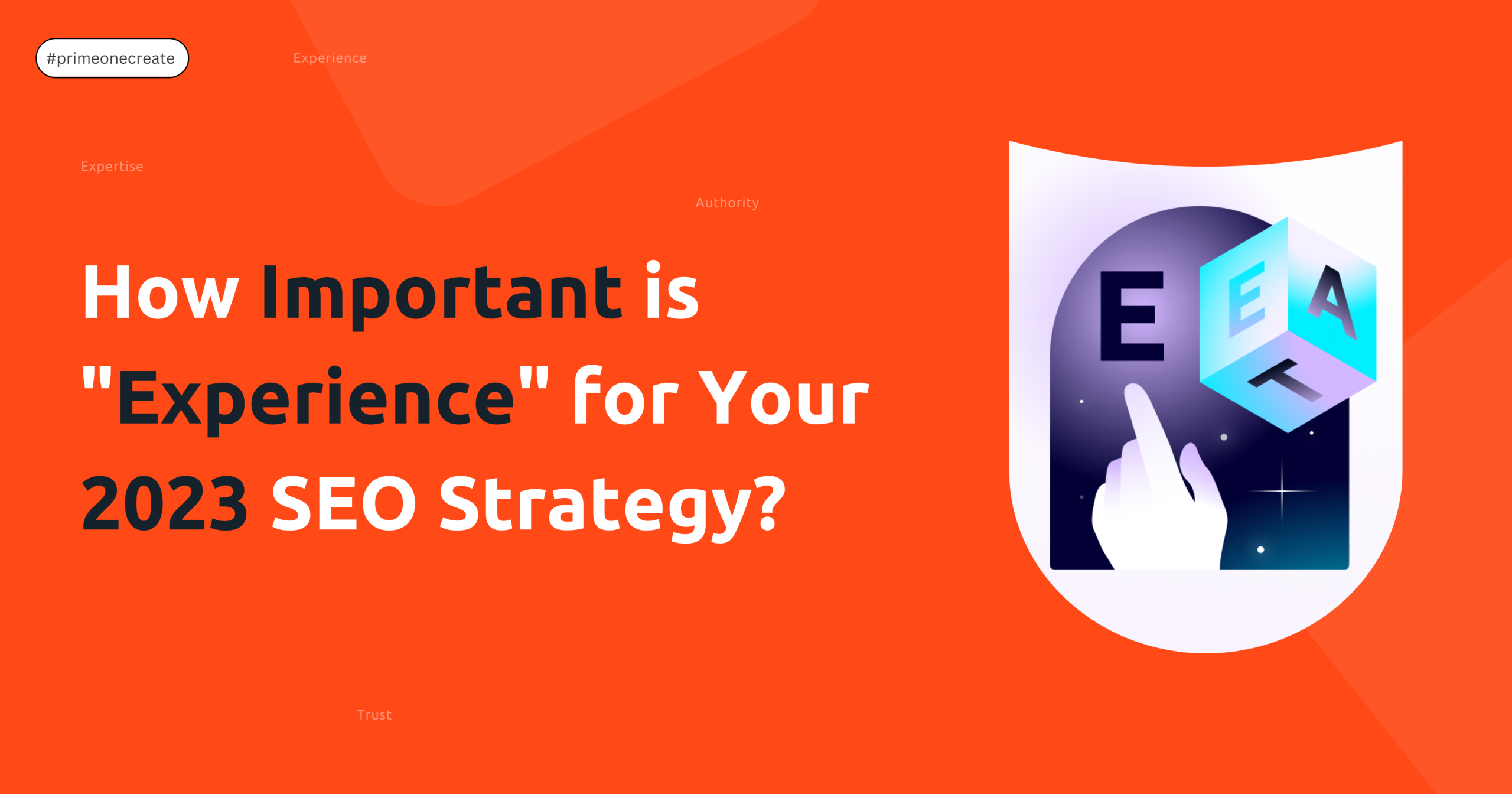
Google E-E-A-T: Why “Experience” Matters for Your 2023 SEO Strategy

Picture of Nigetha

Nigetha

Table of Contents

  • 1. Why Does E-E-A-T Matter for SEO?
  • 2. How Important is "Experience" for Your 2023 SEO Strategy?
  • 3. How to Enhance Google E- E-A-T for Your SEO Strategy:

Search engine optimization (SEO) is constantly evolving, with new ranking factors being introduced regularly. In recent years, Google’s E-E-A-T (Experience, Expertise, Authority, and Trustworthiness) guidelines have become more important for website owners to understand and implement it. However, as we look at it in 2023, it’s clear that “Experience” is set to become a crucial factor in your SEO strategy.

1. Why Does E-E-A-T Matter for SEO?

Guide to Understanding E-E-A-T SEO

Google uses a set of standards called E-E-A-T, which stands for Expertise, Authoritativeness, Trustworthiness, and Experience, to assess the value and applicability of a website’s content. The addition of “Experience” emphasizes the significance of user experience in assessing a website’s overall quality and relevancy, even if E-A-T has been a ranking factor for some time.

Because it directly affects engagement metrics like bounce rates, time on site, and conversion rates, user experience is crucial. Users are more likely to abandon a website fast if it is challenging to navigate, loads slowly, or is crowded with low-quality or irrelevant material, which will lead to a high bounce rate.

By optimizing for E-E-A-T, you can improve your website’s user experience and engagement metrics, which can positively impact your search rankings. This includes the following metrics:

  1. Experience: It provides seamless, enjoyable user experience on your website that can ensure a pleasant and effortless user experience on your website, it is essential to prioritize responsive design, quick loading times, simple navigation, and the provision of relevant, top-notch content.
  2. Expertise: Demonstrating expertise in your field by providing up-to-date, an accurate and relevant information which are necessary to your users that can be achieved through well-researched content with quality links from authoritative sources, and a strong reputation within your industry.
  3. Authoritativeness: Establish your website as an authoritative source in your industry by creating content that is unique, insightful, and informative. This can be done via leadership, publishing original research, or gaining recognition from reputable third-party sources.
  4. Trustworthiness: Building trust with your audience by providing transparent, unbiased, and trustworthy information. It can be done via clear disclosure of affiliations or sponsorships meantime providing evidence to support claims, and maintaining a strong reputation within your industry.

Therefore, optimizing for E-E-A-T is an essential aspect for SEO because it highlights the importance of user experience in determining a website’s overall quality and relevance. By prioritizing user experience and establishing your expertise, authoritativeness, and trustworthiness, you can improve your engagement metrics, drive more traffic, and ultimately increase conversions.

2. How Important is "Experience" for Your 2023 SEO Strategy?

Importance of user experience in SEO strategies

While E-A-T has been an important ranking factor for some time, “Experience” is expected to became more crucial aspect in 2023. This means that providing a seamless, enjoyable user experience on your website will be more critical than ever before. Google’s goal is to provide its users with the best possible experience, and by prioritizing “Experience” in your SEO strategy, you can improve your website’s engagement metrics, including bounce rate and time on page.

As an experienced SEO professional understands the importance of search engine algorithms, knows how to conduct thorough keyword research, and can implement effective on-page and off-page optimization strategies that will drive targeted traffic to your website. They also have a deep understanding of the user intent behind the search queries, which is crucial for creating content that meets your target audience’s needs. As we know search engines will continue to prioritize websites that provide excellent user experience, including fast page load times, mobile responsiveness, and easy navigation and SEO professionals will have the knowledge and skills to optimize your website for these factors and ensure that your website provides the best possible user experience.

Additionally, with the increasing use of AI and machine learning in search algorithms, experienced professionals can leverage their knowledge and expertise to stay ahead of the curve and adapt their strategies to the changing landscape of SEO.

Therefore experience is vital for any successful SEO strategy in 2023 and beyond. With experienced professionals on your team, you can be confident that your website is optimized to meet the latest SEO standards and provide an exceptional user experience for your target audience.

3. How to Enhance Google E- E-A-T for Your SEO Strategy:

Google E- E-A-T for Your SEO Strategy

You can follow the set of rules which Google recommended:

  1. Create high-quality content: High-quality content that is well-researched, well-written, and informative that can support to establish your expertise, authority, and trustworthiness.
  2. Build quality backlinks: Build Backlinks from high-authority websites that can signal to Google that your website is trustworthy and credible.
  3. Optimize for mobile devices: With more people accessing the internet from their mobile devices than ever before, it’s more crucial to ensure that your website is optimized for mobile devices.
  4. Utilize social proof: Displaying, testimonials, reviews and social media followers can help establish social proof and build trust with your audience.
  5. Ensure website security: A secure website with HTTPS encryption can improve your website’s trustworthiness and credibility.
  6. Focus on user experience: A positive user experience is crucial for retaining visitors and improving your website’s engagement metrics. This includes elements such as site speed, navigation, and design.

Enhancing your E-E-A-T can be challenging, but working with experienced professionals can help. Our team of content marketing professionals can help you to create high-quality content, build quality backlinks, optimize your website for mobile devices, and much more. Contact us today to learn more about our services and how we can.

Wrap Up:

As I said earlier in 2023, it’s very clear that “Experience” is a crucial ranking factor for SEO. Providing a seamless, enjoyable user experience on your website will be more critical than ever before. if you want to improve your website’s SEO in 2023, contact your dedicated digital marketing team works from our office space, where they get a fully-equipped working area that allows you to directly communicate with them and Enhance your E-E-A-T, and work with a skilled content marketing team to achieve your goals. Remember, the ultimate goal of SEO is to increase conversions, so prioritize your users and their needs. Start implementing these strategies today to stay ahead of the competition and boost your online presence.

bd176233d1865e412bd0f9ace10b8a96dc36d41c5f9db9ee0f81b253f746c62a?s=96&d=mm&r=g

Nigetha

Nigetha Thurairajah, Senior Digital Marketing Manager for Partner's Growth at Prime One Global, Nigetha Thurairajah, Senior Digital Marketing Manager at Prime One Global, having more than 10 years of experience in Digital Marketing industry, specializing in Analytics and Conversion Rate Optimization. Skilled in Search Engine Optimization (SEO), Content Marketing, Analytics, Google Trends, Site Analysis, Web architecture, Competitor research and Keyword Research. I am extremely passionate about public speaking and doing podcast 🙂

All Posts

Share this article:

Read More
30 MarSEOKeywords

The pros and cons of short-tail and long-tail keywords for SEO

Picture of Nigetha

Nigetha

Table of Contents

  • 1. What Are Short-Tail Keywords?
  • 2. Pros of Short-Tail Keywords
  • 3. Cons of Short-Tail Keywords
  • 4. What Are Long-Tail Keywords?
  • 5. Pros of Long-Tail Keywords
  • 6. Cons of Long-Tail Keywords
  • 7. How to Use Long-Tail and Short-Tail Keywords Effectively?
  • 8. Wrap Up

Targeting keywords for organic traffic is an essential aspect of an SEO strategy that can help drive relevant traffic to your website. Understanding short-tail vs long-tail keywords is crucial for a  successful SEO campaign. The pros and cons of short-tail vs long-tail keywords for SEO should be carefully considered before incorporating them into your strategy. When someone searches for keywords, the search engine can match them with relevant websites and provide the result on the result page (SERP), making it important to optimize your content for the right keywords. By targeting a mix of short-tail vs long-tail keywords, businesses can improve their chances of ranking higher on the SERP and driving relevant traffic to their website.

However, when it comes to choosing keywords, there are two broad type of categories to consider that are long-tail and short-tail keywords. Let’s talk about one by one:

Short-tail keywords are generic and they tend to have a high search volume, but these keywords are really competitive. But the long-tail keywords are more specific and mostly have an average or lower search volume.

According to that, each type of keyword has its own set of advantages and disadvantages, and choosing the right keywords for your website depends on your goals and target audience. When it comes to SEO and digital marketing, keywords are playing a crucial part of any strategy. But there are two types of keywords to consider that are long-tail and short-tail keywords. Both have their pros and cons, and understanding the differences between them can help you to create a more effective keyword strategy.

In this blog post, we’ll take a closer look at the pros and cons of short-tail vs long-tail keywords and how to use them effectively. We’ll also answer the common questions about keyword research and provide tips to optimizing your web content. Keep reading to learn more.

1. What Are Short-Tail Keywords?

long-tail-keywords

Before we get to know the Pros and Cons about short-tail and long-tail keywords, let’s see the meaning of short-tail keywords that are shorter, which means more generic phrases that typically include one or two words. For example, ” marketing” or “shoes” are short-tail keywords. It seems very broad and those keywords are highly competitive, when it comes to SEO, it’s too difficult to rank. Let’s see what are the pros and cons of short-tail keywords for SEO:

Pros of Short-Tail Keywords

There are benefits but let me share one of the main benefits of short-tail keywords is that they can generate a large amount of traffic to your site. Since these keywords are more general, they have a broader appeal and are more likely to attract a wide audience. If you can rank well for a popular short-tail keyword, you can potentially drive a lot of traffic to your site.

pros-short-tail-keywords

Cons of Short-Tail Keywords

The downside of short-tail keywords is that they are highly competitive and this makes it so difficult to rank higher. Because these keywords are so broad, there are often many other websites competing for the same search traffic. This means that you will need to put in a huge effort to compete with other sites, and even then, there is no guarantee that you will rank well. This is one of the disadvantages of using short-tail keywords.


cons-short-tail-keywords

Secondly, short-tail keywords can be less targeted. Since these keywords are so general, the people who search for them may not be looking for exactly what you have to offer. This means that you may get a large amount of traffic to your website, but not necessarily the relevant traffic. This means you can’t drive the target audience for your website. But you can generate more traffic. That never supports you to increase your ROI. this will impact on your future plans as well.

02. What Are Long-Tail Keywords?

long-tail-keywords

Long-tail keywords are longer, which means these are more specific phrases that typically include three or more words. For example, “digital marketing agency in Sri Lanka” or “women’s running shoes for flat feet” are long-tail keywords. They are more targeted and less competitive comparing short-tail keywords. This will give you a better result when you focus on the long-tail keywords in SEO. here you can see the list of long-tail keyword research tools and their features:

Long-tail keyword Tool Key Features
01. Semrush ✓ Find long-tail keywords
✓ Check keyword volume
✓ Check keyword difficulty
✓ Check keyword CPC
✓ Check competition score

➥ Get a 14-day free trial
02. KWFinder ✓ Find long-tail keywords
✓ Search by domain
✓ Search by Keyword
✓ Check competitor's rank
✓ Get search volumes

➥ Create an account on KWFinder
03. LowFruits ✓ Find long-tail keywords
✓ Analyze SERPs
✓ Import or get your keywords
✓ Extract competitor's keywords

➥ Create an account on LowFruits
04. Answer the Public ✓ Free long tail Keyword research tool
✓ Find common questions around a keyword
05. Google Auto Suggestion ✓ Easily find long-tail keywords
✓ Google auto-populates keywords
✓ Type keyword & get auto-suggestions
06. Google Auto-suggest ✓ Advanced version of Google auto-suggest
✓ Find long tail keywords directly from Google
✓ Free version limited to 2 searches per day
07. WordTracker ✓ Find profitable long-tail keywords
✓ Check competitors
✓ Check IAAT (keyword in anchor & text)
✓ Check KEI (keyword effectiveness index)
✓ 7-day free trial

➥ Get a 7-day free trial
08. Long Tail Pro ✓ Find profitable long-tail keywords
✓ Exact Search Volume & Competitiveness
✓ Track Your Progress
✓ Personal Domain analysis
✓ Unlimited tracked domains
✓ Rank Value feature

➥ Get a 10-day free trial

Now let’s look at the pros and cons of using long-tail keywords in your SEO strategy:

Pros of Long-tail Keywords

Long-tail keywords seems that are more targeted and the meaning of the people who search for them are more likely to be interested in what you have to serve. This can lead to higher conversion rates and more sales. This is the highlight of the long-tail keywords.

Meantime they are less competitive keywords. Since these keywords are more specific, there are often fewer websites competing for the same search traffic. This means that it can be easier to rank for long-tail keywords and generate more relevant traffic to your website. Based on our experiences we would suggest long-tail keywords to see better rank improvements within a short span of time.

pros-long-tail keywords

Cons of Long-Tail Keywords

Sometimes we missed to check it out the disadvantages, but this is also a crucial part when we focus on the seo. The long-tail keywords are going to generate less traffic comparing short-tail keywords. Since these keywords are more specific and you may need to target multiple long-tail keywords to generate the same amount of traffic as a single short-tail keyword. However, this will give you a better result within the short term.

cons-long-tail-keywords

The second one is that they can be more difficult to come up with. Especially these keywords are more specific and you will need to do more research and brainstorming to identify them.

Now you may have a question:

03) How to Use Long-Tail and Short-Tail Keywords Effectively?
 

The key to using long-tail and short-tail keywords effectively is to strike a balance between the two. Here are some tips for optimizing your content with keywords:

  1. Use short-tail keywords to attract a broad audience and generate a lot of traffic to your website.
  2. Use long-tail keywords to target specific niche based and generate more targeted traffic to your website.
  3. Use a combination of both short-tail and long-tail keywords to create a comprehensive keyword strategy that targets both broad and specific search terms.
  4. Conduct thorough advanced keyword research to identify and filter the most relevant and effective keywords for your business.
  5. Use keywords in your content in a natural way that provides value to your readers. This will give a chance to get more engagement and drive more traffic to your website.
  6. Avoid keyword stuffing, which can result in penalties from search engines.
  7. Monitor your keyword rankings and adjust your strategy as needed to improve your search engine visibility.
Wrap-Up!

In nutshell, both short-tail vs long-tail keywords have their pros and cons, and understanding how to use them effectively is very important to creating a successful SEO and digital marketing strategy. By striking a balance between these two types of keywords and using them in a natural and effective way, you can generate more targeted traffic to your site and improve your search engine visibility. That’s for sure. Therefore, take the time to do advanced keyword research for your business and optimize your content with relevant keywords, and finally monitor your keyword rankings to achieve your SEO goals. If your company needs help with keyword research, content strategy, or overall SEO help or complete digital marketing solutions, reach out to our team via: [email protected], we’re always happy to support to achieve your goals. Get in touch with Globally recognized Multinational Award-Winning performance marketing agency, delivering Full Stack digital marketing strategies.

bd176233d1865e412bd0f9ace10b8a96dc36d41c5f9db9ee0f81b253f746c62a?s=96&d=mm&r=g

Nigetha

Nigetha Thurairajah, Senior Digital Marketing Manager for Partner's Growth at Prime One Global, Nigetha Thurairajah, Senior Digital Marketing Manager at Prime One Global, having more than 10 years of experience in Digital Marketing industry, specializing in Analytics and Conversion Rate Optimization. Skilled in Search Engine Optimization (SEO), Content Marketing, Analytics, Google Trends, Site Analysis, Web architecture, Competitor research and Keyword Research. I am extremely passionate about public speaking and doing podcast 🙂

All Posts

Share this article:

Read More
28 JanSEO

A Definitive Guest Blogging Guide for SEO – 2022 and Beyond

If we go by the definition, guest blogging is an SEO and content marketing activity that allows you to promote your personal/corporate brand or specific services & products and content pieces that you’ve published. Therefore, guest blogging has various benefits, some of which we’ll look at later on in this article.

Today, I’m going to break down what you need to know about search engines and content quality in 2022 and beyond in order to create guest blogs that will be successful in more ways than one. The following are the main topics I am going to cover in this guide:

Main Topics

  1. Traditional Guest Blogging is Outdated
  2. Google’s Guide for Guest Blogging
  3. How to Do Personal Branding in Guest Blogging?
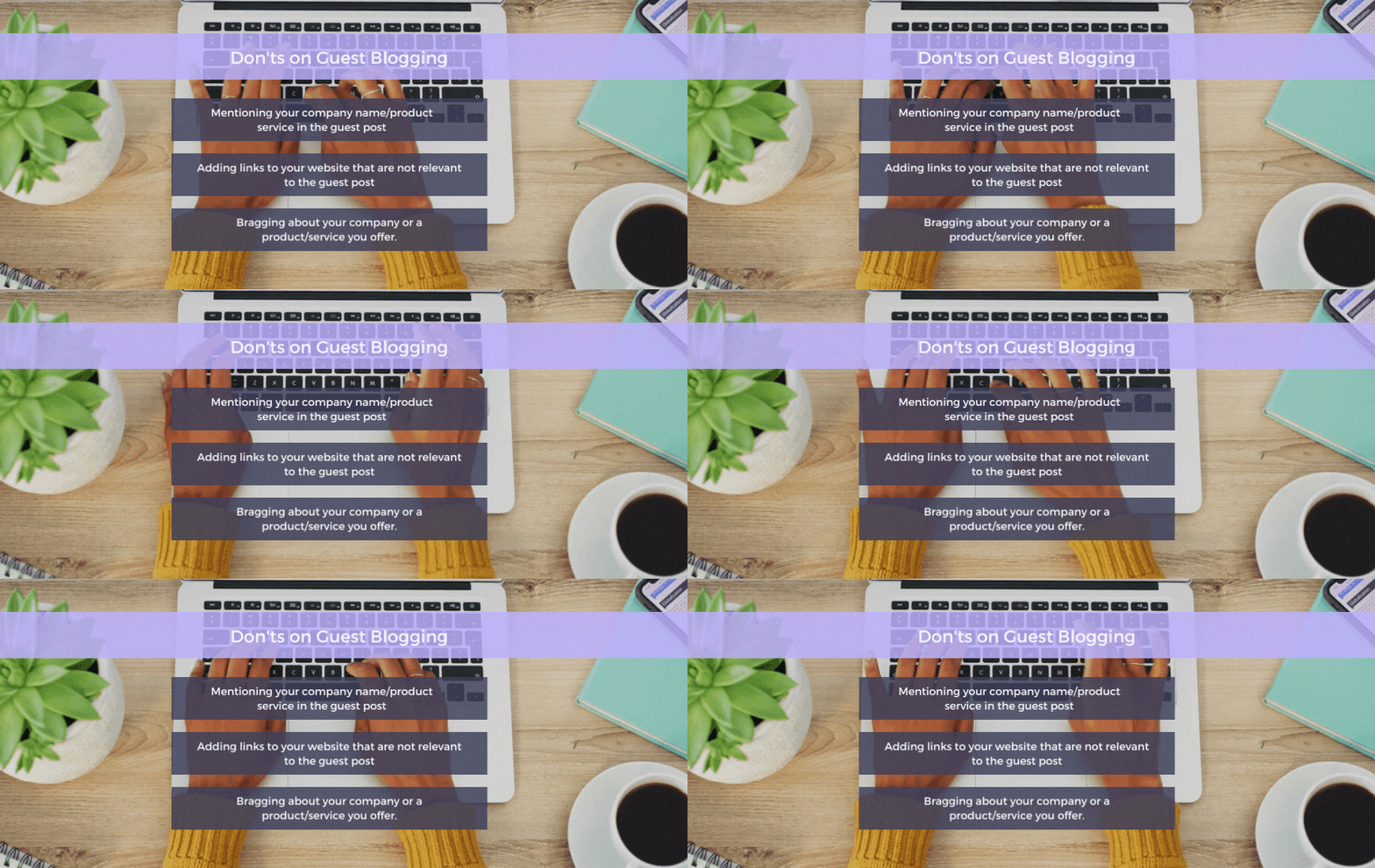
  4. Build a Brand Through Guest Blogging: Dos & Don’ts
  5. How to Choose a Guest Blogging Topic?
  6. How to Stand Out from Millions of Guest Posts?
  7. What to Do After Your Guest Post is Published?
  8. Benefits of Guest Blogging

Let’s get started!

1. Traditional Guest Blogging is Outdated

Many use guest blogging to improve search rankings, brand visibility, build a good brand reputation and get backlinks. All of these were easy to do, but not anymore. Due to the increased level of competition, expertise and a wide range of things search engines are evaluating, it becomes hard to get ranks.

Building a reputation and personal branding through writing is only possible if you are willing to go beyond your traditional writing and adapt to new trends.

When it comes to link building it’s not simple anymore. Google already started to penalize over links and provides Link Schemes for guest blogging to avoid adding links in massive. Also, Google recommends the use of nofollow links in guest blogs.

So, if you’re sending guest blogging pitches where you’re requesting a follow backlink in exchange for the article, you should stop that practice. And start to focus on your content quality,

2. Google’s Guide for Guest Blogging

Google’s core algorithm update is all about providing quick, helpful, high-quality and accurate information to its users that match their search intent, So, today let’s see what Google has suggested for guest blogging.

🐼 Google Panda Update 🐼

This is a bit old Google update, however, it still applies. Google Panda Update in 2011 was designed to reduce the amount of low-quality and thin content in the search results and replace it with helpful, informative and unique content. So, this update alone tells you that Google wanted people to stop writing crap.

google panda update

Ask These Questions Before You Start Writing a Guest Blog:

✅ Who will get the benefit from your article?

✅ Who would want to read your blog post?

✅ Are you writing the article only for your benefit (links, branding, etc.)?

✅ What information provided will be unique and different from thousands of other articles already ranked in Google?

✅ Is your article’s topic saturated in the SERPs?


‍🚀 BERT Models and Intent ‍🚀

In October 2019, Google announced they were applying BERT models to search. Google Said:

“BERT models can reflect the full perspective of a word by looking at the words that come before and after that particular word of a phrase which is useful for understanding the actual intent behind search queries.”

bert models

As search intent is the ultimate goal of the person using a search engine, you need to determine the search intent of the person that will be reading your post and provide any and all information needed to match their search intent. If you are writing something with no thought of the readers’ search intent, then your chances of success are low, so, before creating a guest post, you should examine the pages that rank on SERP for the same topic, and take notes on the search intent behind them, then start writing your guest post around that intent.

🟧 Level Up Your Game with E-A-T and YMYL

In 2015, Google published its complete Search Quality Evaluator Guidelines and they highlighted two important factors regarding how Google looks at pages and articles. They are:

  • E-A-T — Expertise, Authoritativeness, Trustworthiness
  • YMYL — Your Money or Your Life


🟧 E-A-T — Expertise, Authoritativeness, Trustworthiness

In the 2019 version of search quality guidelines, Google mentioned E-A-T 135 times, and it explains in detail what they are looking for in any kind of content.

e-a-t

☑ What does Google say?

Google want experts writing content that is trustworthy for its readers. Because bad advice can create problems.

Think about it, who will write with expertise and authority, a travel blogger discussing digital marketing or a digital marketing strategist with 15 years of experience? Somebody with expertise is going to be more authoritative and cover the bases that matter in content.

Below Google explains in detail what they are looking for in high-quality pages (which tend to rank better).

🟧 YMYL — Your Money Your Life

Google doesn’t want any content that could negatively impact its readers. Google says:

“We maintain high Page Quality rating standards for YMYL websites and webpages because low-quality YMYL websites or webpages could potentially negatively impact a person’s happiness, health, financial stability, or safety.”

y-m-y-l

Which is a better choice for writing a Heart Transplantation Surgery recovery guide?

  • A lifestyle blogger who just graduated from college.
  • A heart surgeon with 10 years of experience.

Simply, we need significant input from an expert to create high-quality content on serious issues related to health, happiness, and money.

3. How to Do Personal Branding in Guest Blogging?

Creating amazing pieces of content that showcase your knowledge and authority is the best way to stand out in any industry. But, you need to add unique points and tips in your content that are better than the top writers out there.

personal branding in guest blogging

In your articles, you should go beyond explaining a concept and anticipate what your readers will want to know next. What do they need to know that they don’t know yet? What experiences do you have that could help people to avoid potential pitfalls from the start? Simply, inform, educate, and impress the readers with your knowledge, and make sure you have a personal website where people can find you, not just the company you work for.

Also, remember, you can’t make a huge name for yourself with just one blog post; it will take time and effort. But, if you make sure every guest post you write is educational, informative, authoritative, and useful to readers, you are a hundred steps ahead of most people.

4. Build a Brand Through Guest Blogging: Dos & Don’ts

Guest Blogging is a great way to build your brand awareness, but ONLY if you do it in the right way.

Let’s see what are the dos and don’ts of guest blogging to build your brand awareness.

🟧 Dos on Guest Blogging

On a new blog, impress the audience with your knowledge and expertise. Your guest blogging content needs to be high-quality in terms of grammar, flow and structure. In your guest blogging, you need to answer questions, define terms, examine pain points, and provide solutions.

Each person that reads your guest blog has the potential of becoming a fan of your work, so, write to impress, educate and create trust. If the readers share your content on their social media, their followers see you and your brand. As you gain new followers, you need to share posts that are authoritative.

You need to be present and timely with comments on your guest posts and in social shares. The quicker you answer a question, the better it makes you look. And it helps you to build an authentic relationship with your readers.

🟧 Don’ts on Guest Blogging

guest blogging tips

🔹 Mention your company name/product/service in the guest post.

If you mention your company name/product/service in the guest post it looks like a self-promotional post which tells the readers, the editors and Google that the only point of your guest post is to serve yourself, not the reader. The place for your company info is your author bio UNLESS you were asked to write about something that your company offer.

🔹 Adding links to your website that are not relevant to the guest post.

No editor wants to present their readers with links that are self-promotional, and no editor wants to risk making Google think they are engaging in a link scheme or selling links. Natural links are not a problem, but what appears as unnatural links can result in a manual action or penalty.

🔹 Bragging about your company or a product/service you offer.

Sharing about your company or a product/service you offer doesn’t help the readers or the website you want your guest post to be published on. It isn’t about you; it is about their website, their readers, and creating trust in your brand. So, you don’t need to brag about yourself in the guest post. If you create amazing content, the publisher will brag for you on their website, on their social accounts, and maybe in their newsletters.

Just remember, no one ever built trust by bragging. You can feature your brand on your author bio and make yourself an author who can answer questions in comments and social media quickly and authoritatively.

5. How to Choose a Guest Blogging Topic?

Let’s see how to choose the right topic for your guest blogging.

choose a guest blogging topic

🔹 Where to Start?

Large and influential blog posts often have content plans and goals. While other blog posts are open to a wide range of ideas within their niche. It’s your job to know their niche and to discover what the blog topic is looking for in guest posts.

The first thing you should do is look for writing guidelines provided by the publication sites and cautiously review what they’re asking for. If the publishing site took the time to write these writing guidelines, then that’s what they want, so pay proper attention to the guidelines and don’t waste your time or an editor’s time by creating a guest post that doesn’t match with the writing guidelines of the publication site.

🔹 Doing Your Own Research

If you can find a ranking gap for the particular publication site where you want to be published on, you have an edge. You can use a tool like the Keyword Gap tool to find a gap between the publication site and its competitors. If competing sites are ranking highly for a specific search term, and the publication site you want to be on does not, possibly you could help the publication site to fill that gap.

🔹 Topic Research for Ideation

The topic research tool is a great option to get topic ideas. Just enter a keyword and you can see a list of recent topics related to your keyword. You can click on each topic and get insights on recent headlines and real-time questions people are asking on the particular topic related to your keyword. By looking at recently published articles, you can identify what has been done well and what has been missed, and then discover a plan to create something better than those articles. Topic research will help you find the questions people need an answer to and provide insights to their intent.

6. How to Stand Out from Millions of Guest Posts?

There are some popular writers who carefully plan their efforts which mean the website they want to rank for has a better chance at gaining rankings. Here are some factors that make your guest posts stand out from millions.

guest blogging topic

🔸 In your How-To guest posts include clear and easy reading screenshots – Avoid wasting your time and the editors time by putting low-quality images.

🔸 Add informative and high-quality video to the content – Adding videos with good clarity, quality sound, and additional information make the readers share your post.

🔸 Aim for SERP features – Format your guest posts to get a position 0, People Also Ask, or carousel placement is shown on the SERP that help you to make your guest posts successful.

🔸 Use quotes from Industry experts – Adding Quotes from experts are always good, so, get timely and relevant quotes from experts for your article to make it really impressive.

🔸 Use the brand/blog – Whoever you are hoping your guest posts to be published by, integrate their successes and blog posts in your articles, you can include links to their relevant articles, screenshots of positive reviews, or a mention of something impactful that they have done.

  • Add Images and infographics – Good editors know the time and effort it takes a writer to create high-quality content. See if they have a design team to help you with images and infographics that would benefit both you and them. If they don’t, Use Canva to create impactful imagery for your guest posts.
  • Optimize images – Follow best image SEO practices. Reduce the image sizes for editors, and use Alt Tags when submitting the images via a CMS platform.
  • Add quotes for social Shares – Provide editors with some 2-3 good points that they could use for the social shares. And, highlight those best points in the articles to the editors so that they can use them.
7. What to Do After Your Guest Post is Published?

You need your guest post to do well, right? While the publisher is going to promote the post, there are things you should do from your end.

🔸 Be responsive in post comments – Always be ready to answer any questions from readers and respond to positive comments.

🔸 Monitor your guest post on social media – Track your guest posts on social media platforms and respond to comments when it makes sense.

🔸 Promote the post on your social media channels as well – Come up with different methods of social shares and share your guest posts throughout the year while tagging the publisher.

🔸 Keep your post evergreen – Things like statistics, algorithms, procedures and legal issues are kept on changing. So, when you see something has changed, email the publisher with updates that could be added to the post to make sure the article remains relevant and trustworthy

8. Benefits of Guest Blogging

Now it’s time to check out the significant benefits you can get from guest blogging. So, here is the list of benefits you get from guest blogging.

🔹 You can get instant exposure to your targeted audience

🔹 Help you to expand your personal network

🔹Boost more social media shares of your content

🔹 Grow your followers on social media

🔹Enhance your online authority

🔹 Improve your Backlink Profile

🔹 Help you to build and grow your brand awareness

🔹 Help you to generate qualified leads

🔹 Help you to get useful feedback from your community

🔹 Help you to sharpen your content marketing skills

🔔 Conclusion

There is no denying that guest blogging is a great way to build your personal brand and to create awareness for your brand, but, it’s about “how” you do it that will determine whether your guest blogging effort is successful or not. I hope the above guest blogging guide for SEO will help you to write successful guest posts in 2022.

What do you think about this guest blogging guide? Let me know your thoughts in the comments below!

Read More
26 AugSEO

Search Intent in SEO – A Quick Guide to Create the Right Content

Having knowledge about Search Intent is the secret factor to create an outstanding content strategy. Today, in this article, we’ll discuss the different types of search intent, how to determine the best search intent for your keywords, and how to optimize your content in the right way for search intent. First, let’s start from the basics.

1. What is Search Intent?

Search intent is the end goal a user has when he/she searching a query in a search engine, it’s the exact type of answer or resource a user is looking to receive in search results. We called it “Intent” because the search goal of the users is not always obvious from their query. For instance, if I search for something like “Honda Civic Cars”. Do I want to learn what Honda Civic Cars are? Which are the best models in Honda Civic Cars? Where can I buy a Honda Civic Car? Here my search intent is not clear, so it’s up to Google to interpret my search query and decide what kind of content to show in my search results. On the other hand, if I search something like “Best Honda Civic Car under $2500”, here my intent is clear that I want to see a list of Honda Civic Cars models. Most preferably with the purchase links.

2. Why Search Intent is Important for SEO?

Satisfying users’ Search Intent is the ultimate #1 goal of Google. Therefore, if you really want to succeed with your SEO and content marketing efforts, Search Intent needs to be a significant part of your approach. Actually, Google’s Quality Rater Guidelines are more FIXATED with Search Intent, and Google recently published a research report called “How Search Intent Is Redefining the Marketing Funnel” which simply showing us the importance of search intent. Backlinks and other traditional ranking factors are still important. But, if your webpage doesn’t satisfy the users’ Search Intent, it’s not going to rank in the SERP.

important for seo

3. What Are the Different Types of Search Intent?

While there are endless search queries, we can categorize them into four primary intent categories:

  1. Informational
  2. Navigational
  3. Commercial
  4. Transactional

different types of search intent

1) Informational Search Intent

You may have already guessed it, yes, searches with the intent to get information categorized as Informational Search Intent. These information search queries could be in the form of a how-to guide, a recipe, or a definition, and it’s one of the most common search intents, as users can look for answers to a vast number of different questions. However, not all informational search queries are questions. Users simply searching for “Jay Shetty” are most likely looking for information about Jay Shetty.

Examples of Informational Search Queries:

  • “What is Adaptive Marketing?”
  • “Robin Sharma”
  • ”Directions to Paris Charles de Gaulle Airport”
  • “SEO”
  • “Football Scores”

2) Navigational Search Intent

Sometimes users just want to get somewhere, both online and in real life. The users simply looking to navigate to a specific website or webpage, and it’s often easier to do a quick search in Google than to type out the URL., also the user could be unsure of the exact URL for a specific website/webpage. As such, these searches tend to be brand or website names. Besides, users can look for an address of a real-world place and google like Pizza Hut London.

➡️ Examples of Navigational Search Queries:
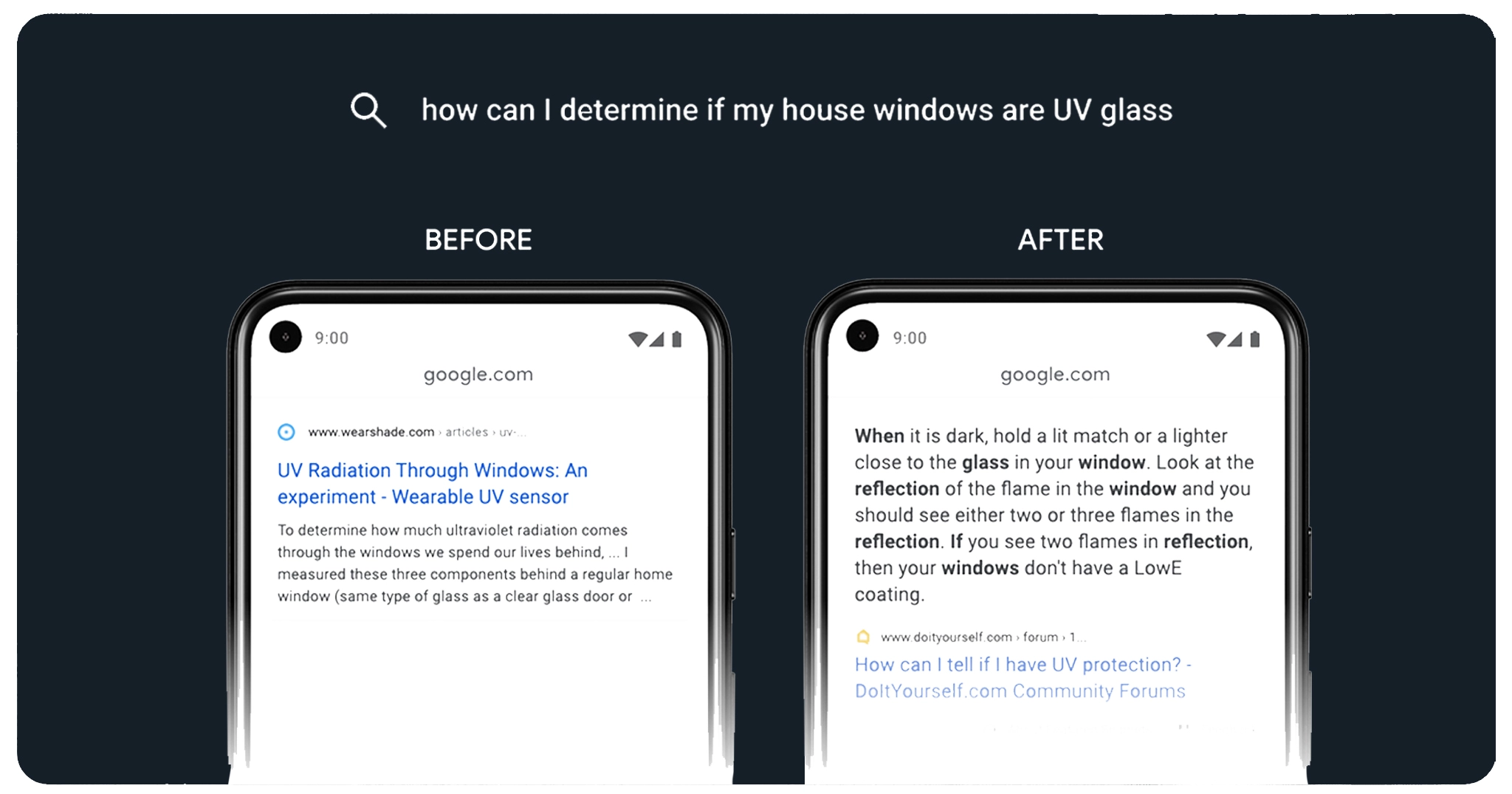
  • “LinkedIn”
  • “Ahrefs SEO Beginners Guide”
  • “Facebook Login”
  • “McDonald’s Melbourne”
  • “Moz Keyword Research Guide”

3) Commercial Search Intent

Commercial Search Intent is also called commercial investigation. Users start their commercial investigation before they’re ready to make a purchase. Usually, they use search to investigate brands, products or services. In their commercial investigation, users often compare products and brands to find the best solution for them.  These searches queries often include non-branded localized terms such as “best face cream for winter” or “The Best Indian Restaurants in NYC.”

➡️ Examples of Commercial Search Queries:

  • “Top Indian Restaurants in London”
  • “Best Bodybuilding Supplements”
  • “WordPress or Medium for the blog”
  • “Best Dedicated Server Hosting Germany”
  • “Ahrefs or SEMrush”

4) Transactional Search Intent

Users do transactional searches when they are looking to make a purchase. So these searches have words like buy, price, cheap, etc. Also, these searches are mostly about a subscription, service or product. Usually, these transactional searchers have a good idea of what they’re looking for. So, they look for places to make purchase means they search for a product/service page, with a straightforward layout, pricing, and a buy button.

➡️ Examples of Transactional Search Queries:
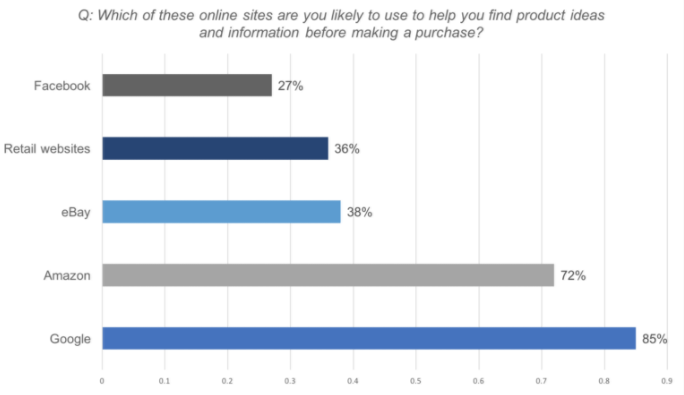
  • “iPhone 12 Pro Max Price”
  • “Expressvpn Coupon”
  • “Buy Michael Kors Handbags”
  • “H&M Men’s Shoes Sale”
  • “Shop Mac Cosmetics Online”

4. How Does Google Understand Search Intent?

Google always wanted to satisfy users’ search intent to provide them with a better user experience. There has been a series of Google algorithm updates specifically aimed to give more importance to search intent. For example, RankBrain update back in 2015 focused on search query context like user’s location, search history, etc. Then there was BERT update in 2019, which aimed to resolve lexical ambiguity, learn new words, find synonyms, and soon there will be a MUM algorithm update that will be able to change/adjust the content in order to satisfy users’ search intent. But, if we keep these Google algorithm updates aside, there are three general factors that Google uses to understand search intent, they are:

google search intent

✅  Context of Search Query

In simple words, context is the circumstance surrounding your search query like your location, language, current events, and search history. For example, if you were to google Australia on a normal day, you’d get a SERP result of regular pages from Wikipedia and the tourist resources. But, if you were to google Australia on the day it was hit by bushfires, the entire SERP results will change to the news coverage about the bushfires.

✅  The phrasing of Search Query

The more words you add to your search query the more clear and defined the search intent. When the search query is formed as a question using modifying words like what, why, how then the intent is most likely informational search intent, on the other hand, if the search queries have words like best, review, top then the intent is most likely commercial search intent.

✅  User behaviour

Google analyze the type of content most of the users prefer for the specific search query and promotes more of such content in the SERP results. For example, if many users search for “how to fix the blue screen on the computer”, and immediately switch video results to watch tutorial videos, then Google might consider including those video results into the main SERP results. This could be one of the reasons we see different types of content ranking for similar types of search queries.

5. How to Optimize Your Content for Search Intent?

Now, the trick is to find out the best content approach to satisfy each type of search query based on its search intent. For that, we need to have a proper strategic plan. So, let’s check out how to optimize the content for search intent.

optimize your content for search intent

1) Choose Your Keywords by Search Intent

When doing keyword research for your website content, just make sure that you have taken search intent into account. There is no reason to create informational content that targets commercial search queries, simply it’s a waste of resources. So, choose and split your keywords by search intent and add them onto corresponding content. There are many keyword research tools out there where you can use filters to identify keywords with specific search intent.

2) Generate Content Ideas from SERP

Now, you have the Keywords list sorted by search intent, so, it’s time to find out the best type of content to satisfy the users. As we already discussed, the intent of the search query and the search query itself are not reliable resources to indicate the type of content needed to satisfy searchers. It’s most common for two similar search queries to be satisfied with very different SERP results. Therefore, the only reliable resource to create the best type of content for a specific search query is to look at what types of content already ranking in SERP. With a quick systemic approach, you can identify which search queries are best satisfied with text content, videos, image galleries, reviews and so on.

3) Make Good Use of Off-Page SEO

Did you ever notice that certain types of search queries are best met with web 2.0 content and other off-page content? If that’s the case with your search query, then consider making these platforms a part of your content strategy. For example, if a certain search query is often met with results from YouTube, then consider creating a corresponding YouTube video and then have your YouTube channel connected to your website. This way you can get into SERP and still have some traffic generated into your website. Another platform you have to consider for local SEO and navigational search queries is the Google My Business listing, this will get your business into a GMB panel, local SERP results, and Google maps. Also, you have to join the Google Merchant Center and have your product pages validated with Google that will help you get your products directly into SERP results and have them featured for transactional and commercial types of search queries.

4) Add Your Website Schema Markup

Search results are getting more diverse and complex. We can see that there are knowledge panels, videos, featured snippets, rich snippets along with 200 other SERP features. All of these SERP features exist to satisfy very specific search intents of users, like searchers looking for brand information, products, recipes, answers to complex questions, etc. One way Google can pull this specific information from our websites is by relying on Schema markup, aka structured data. schema markup is a collection of HTML tags that are used to highlight the different types of content on our web pages. For example, if it’s a recipe post, we can use schema markup to highlight each ingredient, calorie, cooking time, the number of servings, etc. And Google can use this specific information about the recipe to create a rich snippet. There are certain types of search queries for which you have no chance of ranking in the SERP if you don’t have schema markup on your web pages. For other search queries, having schema markup is not essential, but having it may give you an advantage over your competitors.

5) Watch Out for the Shifts in SERP

SERPs have fluidity. You might have cracked the SERP with exactly the right type of content, but the entire thing might change a day from now. Google constantly introduce New SERP features, so, users may go to other types of content, and your competitors are always on the watch out to grab your positions. But, the fluidity of SERP is not a big problem, it can be an opportunity for you to rank better. Always, watch your rank positions in SERP results, and if you see any sudden drop in rankings, investigate the SERP, look for the change in the way Google satisfies search intent with SERP. Then modify your content accordingly. It’s not an issue to regain your SERP rankings if you optimize your content quickly.

google-my-business


Conclusion ????

SERP results have been changing rapidly. These days, we can see everything in SERP like blue links, images, videos, stories, featured snippets, products, etc. It seems like Google is experimenting with different ways to satisfy searchers’ search intent. If this trend continues, then it’s a good idea to optimize your content for search intent that will enhance your SEO performance, also help you rank better in SERP.

Hope you found this search intent guide helpful. Let me know your thoughts in the comments below!

Read More
10 FebSEOWebsite Architecture Optimization

6 Simple Tips to Improve Your Website’s User Experience

Looking for the best ways to improve your website user experience? Read on to find out the 6 effective tips to boost your website UX.

Read More
03 DecConversion Strategies in 2019SEO

Top 10 Secret Sources To Generate Traffic and Conversion To Your Website

Driving massive amounts of traffic is one of the key points for successful digital marketing. As a business owner, your goal is converting people into your customers. But, if you do not have any visitors for your website, you cannot convert them into your customers. You cannot survive without a website’s traffic. In order to get more sales and get happy customers, you have to drive people to your website. Do you want Secret Traffic Sources to generate more traffic for your website? Here are the Proven Ways To Drive Traffic To Your Website and the top 10 Conversion Strategies in 2019.

Every website needs to have a proper strategy to get more sales and it is the best driver of our businesses growth. It helps you to:

  • See how your marketing is working
  • Gather insights about your audience to make right decisions
  • Improve your search engine credibility
  • Generate more leads, increase conversions and get more customers for your website

A number of ways to optimize your website in order to generate traffic and conversion, the first step is to be attracting the right visitors to our website in the first place. Including CTA (Call To Action) and lead capture forms in the right places. This is very important to drive the traffic for our brand.

Every business owners have their own strategies to grow-up their business and revenue. The goal is driving more valuable visitors to their website! That means, there is no matter how many percentages of visitors we have, the thing is we need to get the valuable customers for our website, that will give more benefits for us. To achieve that, you need to use multiple strategies to bring new visitors to your website.

Here are the Top 10 secret traffic sources to help you to generate more traffic and conversion to your website today!

Before you initiate the strategy, you need to create a better plan and implement it with a right time. That is highly important to the success of your website. If your strategy will work properly, then only you can get a huge number of traffic. Otherwise it will not work. Always focus on the strategy which is really suitable for your businesses niche. The wrong strategy will be getting your business down.

Most of the brands are focusing with all their efforts to get higher range of conversion rates. But some of them are getting very low amount of traffic, the reason is, they are lacking to implement the proper strategy. Before you convert the people, you need to drive traffic to your website first. Once you get the visitors, you can convert them based on your strategies.

Audit Your Website

A lot of ways to optimize your website for generating traffic and conversion. But before you get started, you want to track an A/B testing solution. That means, before you start growing your website traffic, you should know your current traffic stats. This is your baseline to get to know how your efforts are affecting to your traffic’s growth.

analytics

Instead, of just doing things, take a strategic approach & audit your website to create a comprehensive plan so that you can focus on the highest range of leverage opportunities to drive more traffic and increase the conversion rate. If you are a newbie, you can easily get a variety of secret sources from online using this term like Conversion strategies in 2019, however, before you get to know that, you should audit your website to generate target traffic to your website.

This way to help you figure it out why you should work on that, not only that,  you can see how your changes are affecting on your traffic and conversions in a positive way. To do the A/B testing, you can get more tools through online, especially, Google Analytics is a free tool and very easy to use, it can help you to drive further traffic to your website. This will enable you to identify which kind of strategies and types of content works, where you need to focus to get the improvement, and the most important thing is where you do not want to waste your time. From this tool, you can track the links for your marketing campaigns and also regularly check your website analytics.

website audit


The best way to generate your website traffic from the organic traffic, it is truly increase the number of page’s visits that can help to rank-up through your targeted keyword terms. This means, it will help where you can add new pieces of attractive content through visuals, quizzes to target specific keywords or add new category pages and update new blog posts on your website.


Speed Up Your Website

Google has announced a website speed is one of the signals used by its algorithm to ranking pages

A website loading speed is a major part to drive the traffic for your website. It reflects how website quickly responds to the web requests. not just for the website owners, it helps to all the Internet users. If your website is loading as fast, users can make an instant judgment about you and your business and immediately take a strong first impression. Everyone should give high priority for your website speed, because of it all depends on the UX (user experience).

page speed - site speed

Better SEO makes to increase your website’s visibility to the people who are trying to find you online. When you consider your website’s speed, you can get more traffic because of the search engine is able to crawl your content through your website faster and it helps to the indexing process as well.

How to speed up your website in 2019?

Before you get to know the speed optimization tactics, you need to switch the better host for your website, that’s very important to perform the website as fast.

Here are the ways to Speed Up Your Website and Improve Conversion in 2019, mostly focus on the front-end performance.·

  • Enable compression
  • Minify CSS, JavaScript, and HTML
  • Reduce redirects
  • Remove render-blocking JavaScript
  • Leverage browser caching
  • Improve server response time
  • Use a content distribution network
  • Optimize images

Try and reduce your page load time and increase your website traffic and conversion rates!

Do Content Outreach & Guest Posts

Guest Post is one of the hottest and very easiest ways to drive more traffic. This can be really helpful to add more variety of your content and helps to show your visitors that you are active in your field. Guest posting can help grow your online audience.

Determine Your Guest Blogging Goals

Guest posting can help every business to grow up in online audience.

Before you go, you have to decide what your goal is and why you’re targeting guest blogging. First knowing your goal, it’s playing an important role to choose the right kind of blogs to submit guest posts to achieve your target. Typically there are three major goals for guest blogging.

  1. Positioning your-self as an authority and well-known name in the industry.
  2. Getting exposure (traffic) back to your website.
  3. Building back-links to your website

guest posting

To be successful as a guest blogger, you must write contents that should be high quality. you can find many reasons through online why guest posting is such a key point to every bloggers to build their online influences. I’ve mentioned below some them are:

  • Guest posting builds relationships
  • You can reach new audiences; they are usually your highly targeted audience.
  • You can build authority in your field.
  • You can increase your domain authority through the high-quality and relevant backlinks.
  • You can generate inbound sales and more business opportunities.

How to Find Guest Blogging Opportunities?

  • The content is focused on your niche / industry.
  • The audience of the blog will be interested in your industry.
  • The blog has engaged readership (posts have been shared socially and commented upon).
  • The blog owner is active on social media (so you know that they will be promoting your work on their site).

Tracking Your Results

My final thought is, Still the Guest posting is a great way to connect with new visitors and get your name out-reach. When you decide your goals is generate traffic, the results are very essentials and it should definitely be measured. based on that, I’m here to tell you guys to do this, Obviously, you can create an Advanced Segment in Google Analytics. it will help you to determine the success of your overall guest blogging strategy in terms of getting traffic and making conversions.

Increase Your Social Media Presence

Social media is one of the best and most popular ways of free marketing tools and also it plays a major role for your website to drive traffic using social media channels to promote your content.

When we investigate Social media usage, it has been increasing at a rapid rate for the past decade or so. Just have a look at the below image, from that, you can get to know the user-growth across social networks from worldwide.

 increase your social media presence

Do you have only the Facebook page? It’s not only enough anymore. You have to make sure that you have an active presence on other social media channels as well, such as:

  • Twitter
  • YouTube
  • Snapchat
  • Instagram

Please do more than just create a profile. The below-outlined points will definitely help you to social media platforms.

  • Share useful and your targeted audience/ relevant content on a regular basis.
  • Share Niche related blogs, images, or videos on your all active social media platforms.

Try the above things and get more followers for your brand through your social media. when you create posts that should encourage your target audience to get engaged more. Same time, you should respond to your followers directly to entice communication. This action should make it easier for you to generate new leads. Constantly posting links on your social media platforms will increase many chances you to increase CTR and traffic.

Start Blogging

How to Increase Your Blog Traffic in 2019?

The blog is one of the ways to drive more target audience for our product or any services. If your website doesn’t have a blog  (you need to start ASAP), don’t wait and give a priority and make creating bogs. Doesn’t matter what type of  services you are providing, Blogging is one of the best ways to increase website traffic and generate new leads. it’s a trending point as well. that’s why I recommended you to focus on Blogging.

blog post tips

If you already have a blog, it gives a reason for people to keep coming back on your website. Blogs also help to improve your SEO because if you have blogs, you will constantly adding new/trending content on your page, that will give chances to get back on our page.

Reduce Your Bounce Rate

A majority of online businesses aiming to increase search traffic for their websites to boost their brands’ growth.

A high bounce rate will damage your website’s page views and conversion, not only that it can even hurt your SEO as well. Is your bounce rate too high? Do you want to reduce your bounce rate? Before that, you need to understand the formula of the percentage of bounce rate.

  • 80%+ is very bad
  • 70 – 80% is poor
  • 50 – 70% is average
  • 30 – 50% is excellent
  • 20% or below is likely a tracking error

reduce your bounce rate

If you’re getting higher bounce rate for your website, first you need to Identify the root course and fixing the problems to increase your traffic. So many reasons could be caused for the higher bounce rate such as poor navigation, bad design, slow load time, poor usability, lack of clear call-to-action, etc.

Before you start your work, identify your top pages with the highest bounce rate. then only you can implement the right strategy to increase your conversion. You can do this through Google Analytics and click on Behavior » Site Content » Landing Pages, finally you can see the view like mentioned below snapshot:

Highest bounce rate

Here are a few tips to reduce your bounce rate and Quick Tricks to Drive Traffic.

  • Provide a Better Overall User Experience
  • Optimize Your Call of Action Placement
  • Make Your Site Readable
  • Improve Your Site’s Speed
  • A/B Testing + Targeted Landing Pages
  • Use Videos To Engage Your Audience
  • Use High-Quality Images to Captivate User Attention
  • Plan a Consistent Content Strategy

I hope you got some good tips to reduce bounce rate for your website and the most effective ways to increase your Conversion Rate.


Optimize Your Site For Mobile Devices

I’m sure you all know, mobile use is on the rise.

In fact, over 60% of Google searches coming from a variety of mobile devices.

Comparatively mobile users are consistently improving instead of desktop users. It’s going up so fast that it’s actually overtaken computers and desktop devices. The important thing is Google recognizes the mobile-friendly website ranks accordingly.

optimize your site for mobile devices

If your site is not optimized for mobile-friendly, Go and optimize immediately. because if you are not focus on your site for mobile devices, maybe it will prohibit your user experiences, not only that, it’s affecting your ranking.

According to the Internet Usage Statistics from worldwide of statista, 52.2% was generated through mobile devices in 2018. Meantime, when we go through it in 2019, nearly 80% of internet usage is expected to be mobile devices. (Source: Business2Community)

Your website needs to be optimized for mobile users.

Produce Video Content

Text-based content is always good, but video can be a more valuable resource to attract new visitors and making your site more engaging. That’s why 87% of marketers produce their video content online. Through the Videos, you can increase in organic search traffic as well. Not only that, like 46% of users act after watching a video advertisement which is you produced for your brand.

The Power Video Marketing

People mostly love to spend their time to watch a video instead of  reading lengthy text content about your services or products. This is a top reason helped marketers to increase their website traffic through the video content.

The Power Video Marketing

As reported by the HubSpot Research report, more than 50% of customers engaged with videos from the brands compared to any other type of content.

Basically, videos can be help you to generate new leads and increase your website traffic. Therefore I would recommend you to start as much as possible to maximize your reach.


Use Influencer Marketing To Establish Credibility

Credibility is more important for every website. Comparatively, this is the major part of to generate more traffic for your brand. that means If your website having a good reputation and credibility, you’ll be able to generate more site traffic.

Do you want to get the credibility for your brand?

It’s not a big deal but something difficult. you can’t get the credibility within a short period. it’ll take time.

One of the best ways to gain credibility for your brand is to leverage your relationships with the right influencers. You can approach this strategy in different ways to achieve what you are expected. In order to approach this, you can use celebrities to promote your brand.

influencer marketing

To find the right influencers for your brand, you need to fact check and do not pick someone’s randomly. Before you go, please make sure that your influencers are aligned with your company’s reputation. If you have any ideas to bringing up an influencer to help your marketing campaigns, you can on-board micro-influencers as well. don’t wait for chances, this is your right time and great chance. I would suggest you to use micro-influencers effectively, this will increase your service/product credibility and brand awareness. why I’m suggesting you to for micro-influencers, there is a reason. Actually, through the influencer’s marketing, we can reach a wider audience. but the problem is,  for our celebrities, you want to pay to pitch about your services/products. that’s why I recommended you to go for a micro-influencers. this is one of an alternative solution, you do not need to worry about it,  micro-influencers also can increase your product credibility.

If you have any ideas to bringing up an influencer to help your marketing campaigns, you can onboard micro-influencers as well. don’t wait for chances, this is your right time and great chance. I would like to suggest you use micro-influencers effectively, it will increase your service/product credibility and brand awareness.

Improve Your SEO

One of the best ways to generate traffic is through SEO. As you can see from above what I have already mentioned to implement a few of other Spectacular Traffic Sources, it will automatically help your SEO. When someone is searching for something online, whether it’s your product or service, they will probably start with a Google search. Actually it’s something difficult to get higher ranking. because of the competition is high.

best SEO strategy

SEO ranking improves when visitors often view your website, more pages, stay on your website longer and get back to them as a return customer. The more user-friendly your site is, the more likely this is going to happen. In fact, 85% of consumers use Google to find more details about their services before they make a decision. From the below snapshot, you can find out the statement.

statement

In order to improve your SEO, you have to do an advanced keyword research based on your business niche. it will be easier to generate more traffic for your website.

I hope you can get them back to visit your website if you’re master of your SEO strategies including to delivering high-quality content that will generate more leads. Your content needs to be high quality, recent, and relevant.

 Use the best SEO strategy and generate more traffic for your brand.

Summarizing Up!

Now It’s Your Turn!

Every website needs to have a proper strategy to get more sales and increase better ROI. This is the best driver of our business growth. Actually, it’s very hard to get high traffic to your website. If you’re struggling, check out this post and get to know the Proven Ways To Drive Traffic To Your Website and the most effective ways to Increase your Conversion in 2019. Start with your Spectacular Traffic Sources from the ten listed above.

Now I would like to hear from you  what you have to say about which technique you are going to try first? Use the below comment box to share your opinion regarding this!


Read More
  • 1
  • 2
  • 3
Recent Comments
  • Ketharan on Top 25 Instagram Fashion Influencers
  • Ketharan on Top 25 Instagram Fashion Influencers
  • Nigetha on Integrating ChatGPT With Google Sheets For Enhanced Data Analysis
  • Nigetha on The 10 Biggest Business Trends For 2024 Everyone Must Be Ready For Now
  • Nimesh Heshan on The 10 Biggest Business Trends For 2024 Everyone Must Be Ready For Now

Microsoft Certified Professional. Microsoft Certified

Start Your Journey to Better Business

Prime One Logo

Prime One Global LLC is a Globally recognized Multinational Award-Winning performance marketing agency delivering Full Stack digital marketing strategies and results-driven solutions to emerging global brands like yours.

USA Office Address

Prime One Global LLC.

1309 Coffeen Avenue,
Sheridan, WY, 82801, United States.

[email protected]

+ 1 (818) 275-2989
Sri Lankan Office Address

Prime One Global (PVT) LTD.
#146B, Goodshed Road,
Thonikkal, Vavuniya, NP,
Sri Lanka.

[email protected]

+ 94 24222 5992

Prime OneSolutionsHistory#GivebackCareersCommunity

Terms of Service

Privacy Policy

Press Kit

Knowledgebase

Support Center

Platform Status

Facebook-f Linkedin Instagram Youtube
© – Prime One Global LLC and all rights reserved by Maverick. Formerly known as Extreme SEO Internet Solutions™.